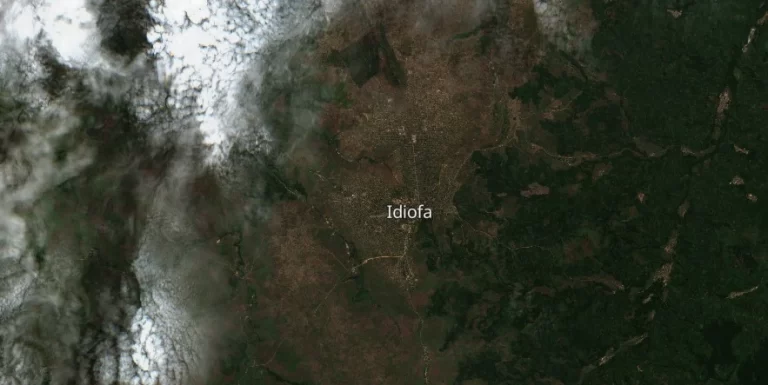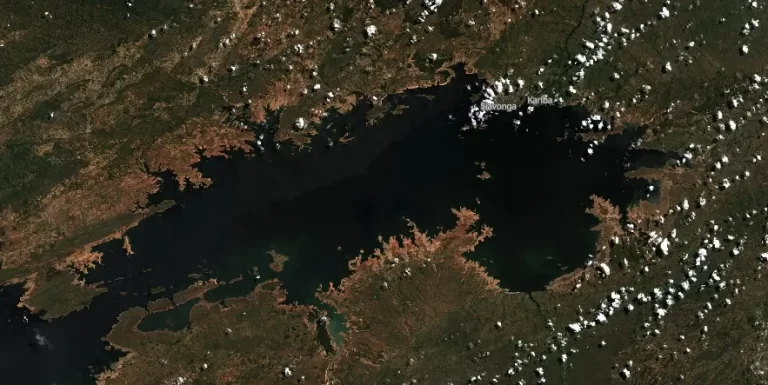
• Historic drought impacting over 1 million ha (2.5 million acres) of crops, Zambia

    Zambia is in the throes of an unprecedented drought, prompted by El Niño, resulting in the driest February recorded since 1981. This natural disaster has compelled the President to declare a state of emergency, with 84 districts suffering and over 1 million ha (2.47 million acres) of crops devastated, causing widespread shortages in essential resources including food and water.

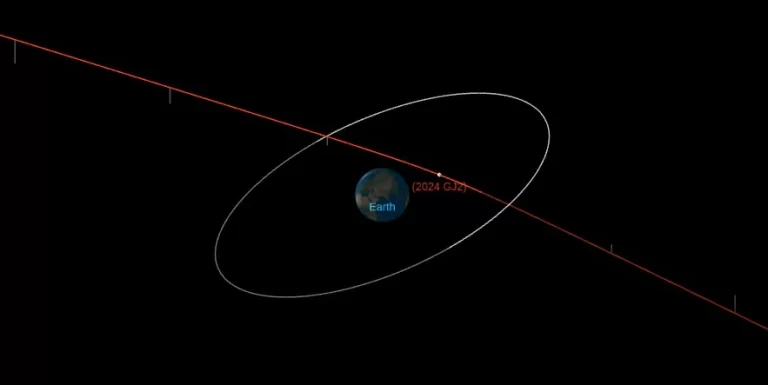
  • Asteroid 2024 GJ2 to fly by Earth at just 0.05 LD on April 11

    A newly-discovered asteroid designated 2024 GJ2 will fly past Earth at a distance of just 0.05 LD / 0.00013 AU (18 700 km / 11 620 miles) at 18:33 UTC on April 11, 2024. This is the 25th known asteroid to fly past Earth within 1 lunar distance since the start of the year.

  • Widespread record floods hit parts of Russia, flooding over 10 500 homes

    Severe flooding struck Russia’s Ural Mountains and Siberia, alongside parts of neighboring Kazakhstan since April 3, 2024, caused by rapid snow melt and heavy rainfall. The situation worsened after two dams broke near Orsk City on April 5, leading to record flood levels by April 7. The crisis has resulted in at least three deaths in Russia and more than 10 500 homes flooded. In Kazakhstan, two fatalities and nearly 75 000 displacements have been reported.

  • Extremely heavy rains hit Rio de Janeiro and Espírito Santo, causing destructive floods and landslides, Brazil

    Heavy rains in Brazil’s Rio de Janeiro state on March 22, 2024, resulted in at least nine fatalities, with Petropolis being the hardest hit. A staggering 270 mm (11 inches) of rain fell within 24 hours, significantly impacting the region and leading to numerous incidents, including landslides and house collapses. The storm then moved to the neighboring state of Espírito Santo, dropping more than 200 mm (7.8 inches) of rainfall within 24 hours.

  • Upcoming nova explosion in T CrB star system offers rare night sky event

    In a stellar event anticipated to occur between now and September 2024, the T Coronae Borealis (T CrB) star system, located 3 000 light-years away, is predicted to undergo a nova outburst, becoming visible to the unaided eye. This rare occurrence, last witnessed in 1946, will temporarily elevate the system’s brightness to match that of the North Star, offering a unique viewing opportunity.

  • Volcanic sulfur dioxide emissions from Iceland reach continental Europe

    The volcanic eruption that started in Reykjanes Peninsula, Iceland on March 16, 2024, continues at a fairly constant rate, marking the most substantial activity in the region with four registered eruptions since December 2023. This event has caught the attention of the Copernicus Atmosphere Monitoring Service (CAMS) due to the large volumes of sulfur dioxide (SO2) released into the atmosphere.