• Extremely heavy rains hit Rio de Janeiro and Espírito Santo, causing destructive floods and landslides, Brazil

    Heavy rains in Brazil’s Rio de Janeiro state on March 22, 2024, resulted in at least nine fatalities, with Petropolis being the hardest hit. A staggering 270 mm (11 inches) of rain fell within 24 hours, significantly impacting the region and leading to numerous incidents, including landslides and house collapses. The storm then moved to the neighboring state of Espírito Santo, dropping more than 200 mm (7.8 inches) of rainfall within 24 hours.

  • Upcoming nova explosion in T CrB star system offers rare night sky event

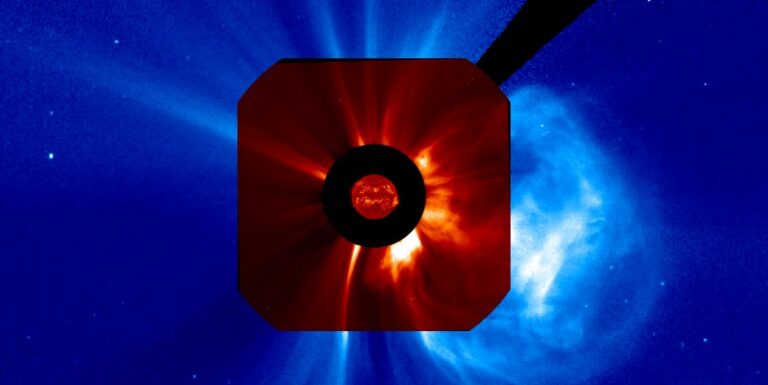
    In a stellar event anticipated to occur between now and September 2024, the T Coronae Borealis (T CrB) star system, located 3 000 light-years away, is predicted to undergo a nova outburst, becoming visible to the unaided eye. This rare occurrence, last witnessed in 1946, will temporarily elevate the system’s brightness to match that of the North Star, offering a unique viewing opportunity.

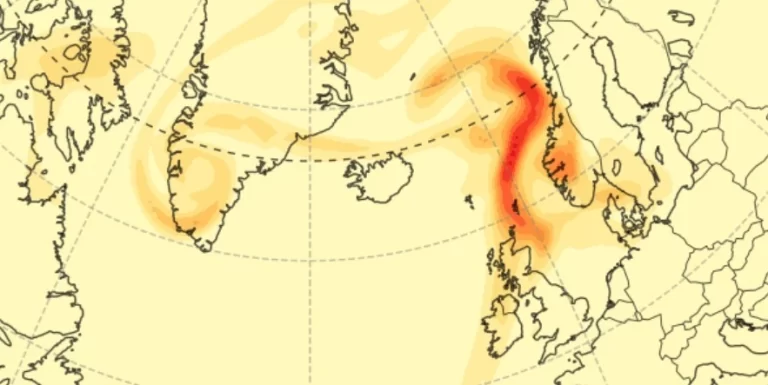
  • Volcanic sulfur dioxide emissions from Iceland reach continental Europe

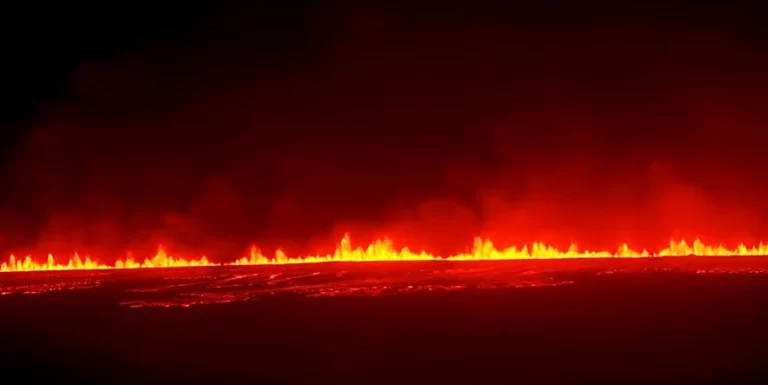
    The volcanic eruption that started in Reykjanes Peninsula, Iceland on March 16, 2024, continues at a fairly constant rate, marking the most substantial activity in the region with four registered eruptions since December 2023. This event has caught the attention of the Copernicus Atmosphere Monitoring Service (CAMS) due to the large volumes of sulfur dioxide (SO2) released into the atmosphere.

  • Giant volcano discovered in Mars’ Tharsis volcanic province

    Scientists at the 55th Lunar and Planetary Science Conference in The Woodlands, Texas, announced the discovery of a vast volcano and a potential glacier ice sheet in Mars’ Tharsis volcanic province, near the equator. The finding, based on images from spacecraft orbiting Mars since 1971, highlights a volcano provisionally named “Noctis” and suggests the presence of glacier ice beneath a volcanic deposit. This discovery opens new avenues for studying Mars’ geological evolution and future exploration.

  • Severe Tropical Storm “Filipo” strikes Mozambique

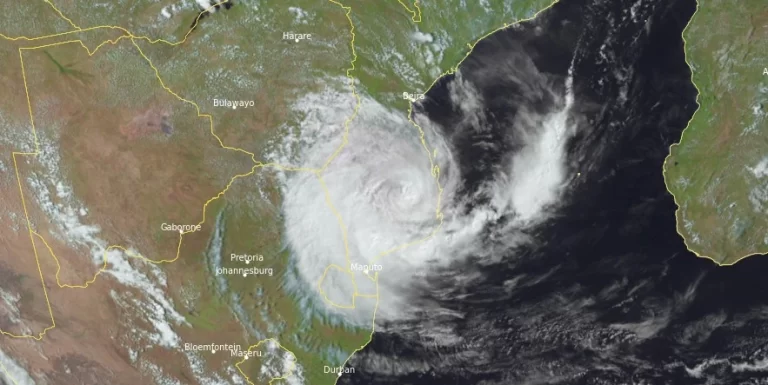
    Severe Tropical Storm “Filipo” made landfall on the northeastern coast of Inhambane Province, Mozambique, close to Inhassoro City around 03:00 UTC on March 12, 2024. The storm brought over 150 mm (5.9 inches) of rainfall in 12 – 18 hours, destroying homes, schools, and electrical infrastructure, and leaving many in urgent need of humanitarian aid.

  • 6 months’ worth of rain cuts off Western Australia, leaves 7 people missing

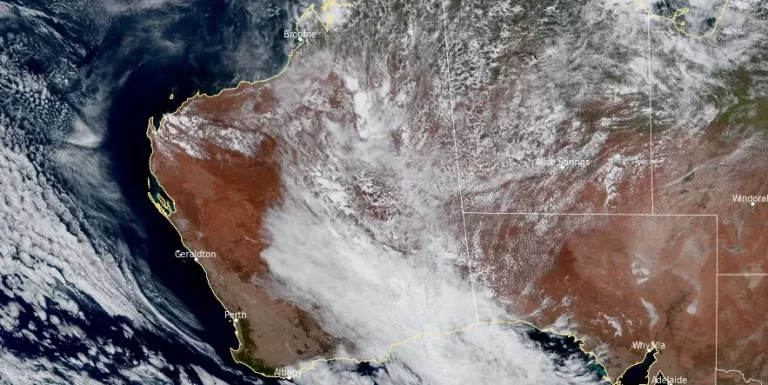
    Extremely heavy rains have struck Western Australia over the past couple of days, causing significant flooding that has severed the main route connecting Western Australia with the rest of the country. The flooding has also left seven people missing since Sunday, March 10, 2024.