• Fragments of asteroid 2024 BX1 identified as extremely rare Aubrite meteorites

    Initial investigations of meteorites from the strewn field of asteroid 2024 BX1, which entered the Earth’s atmosphere on January 21, 2024, near Ribbeck, northwest of Berlin, have identified them as rare aubrite achondrites. The findings were submitted to the Meteoritical Society’s Nomenclature Committee on February 2, 2024, for official examination.

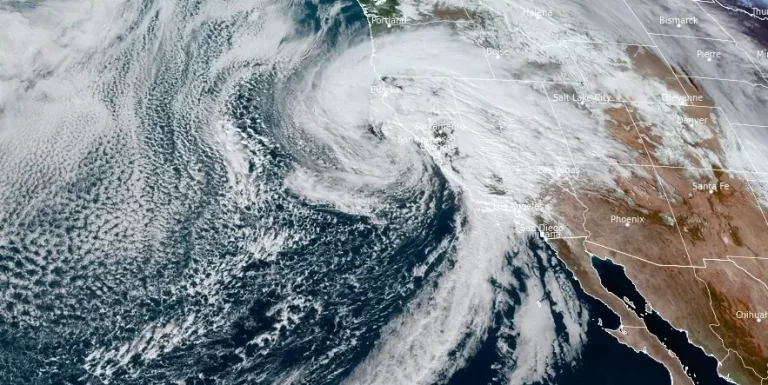
  • Powerful atmospheric river triggers state of emergency in Southern California, rare Level 4 of 4 risk of excessive rainfall

    An intense atmospheric river event hit California on Sunday, February 4, 2024, prompting Gov. Gavin Newsom to declare a state of emergency in eight counties due to the potential for “life-threatening” flooding, mudslides, and widespread power outages. The National Weather Service warns of significant rainfall, powerful winds, and heavy snowfall continuing over the next few days.

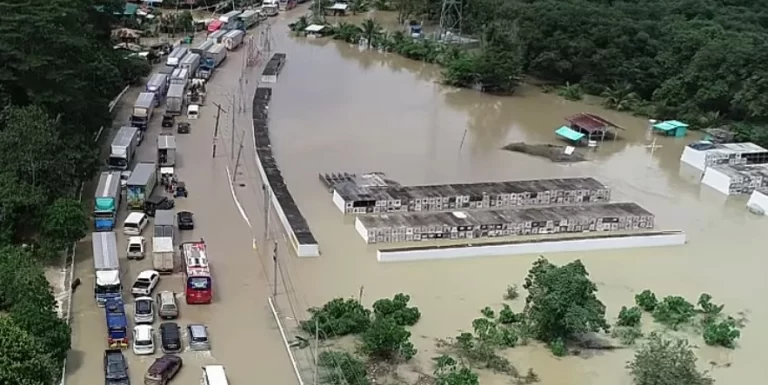
  • Widespread floods and landslides in southern Philippines claim 14 lives

    The death toll from landslides and floods caused by torrential rain in the southern Philippines has reached 14, as reported on Saturday, February 3, 2024. The severe weather has affected parts of Mindanao, the country’s second-largest island, leading to tens of thousands seeking refuge in emergency shelters. Davao de Oro, a province known for its gold mining, has been particularly hard-hit, with 10 fatalities in recent days due to relentless rain.

  • Iceland builds massive dykes to shield against volcanic lava flows

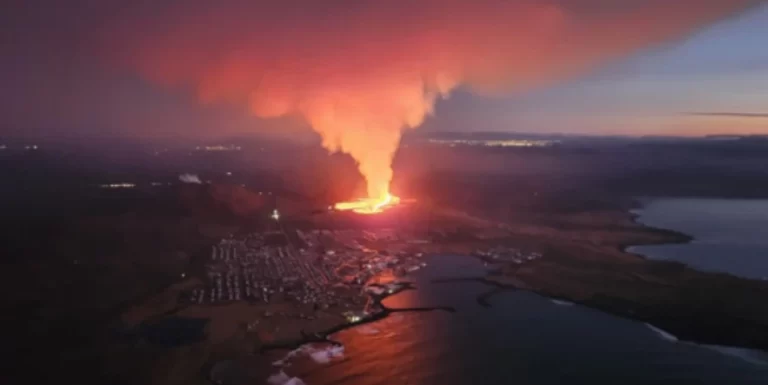
    Icelanders build massive dykes to protect against lava flows from reactivated volcanoes near Reykjavik. The six volcanic systems, active for the first time in nearly 800 years, pose a significant threat to the Reykjanes peninsula, prompting around-the-clock construction efforts to safeguard homes and a crucial power plant.

  • University of Iceland professor warns of lava flow proximity to Reykjavík

    Þorvaldur Þórðarson, a volcanology professor at the University of Iceland, suggests that recent earthquakes in the Reykjanes Peninsula could indicate magma accumulation under Húsfellsbruna, raising concerns about potential lava flows near Reykjavík.