• New technology aims at improvising exoplanet discovery

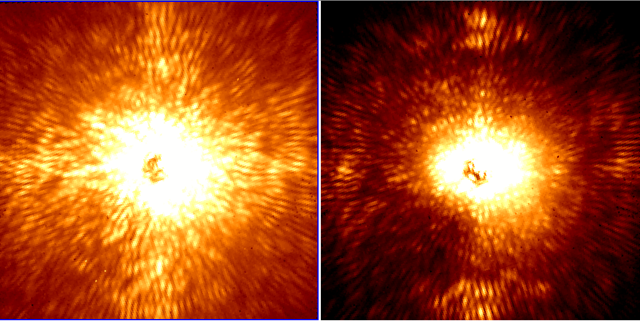
    A new advanced telescope imaging system is expected to improve detection of exoplanets obscured by exponentially bright stars. Unlike Kepler mission which uses the transit method to find out exoplanets transiting in front of their stars, this one actually blots out

  • Geomagnetic storms – basic terms, data, plots and graphs

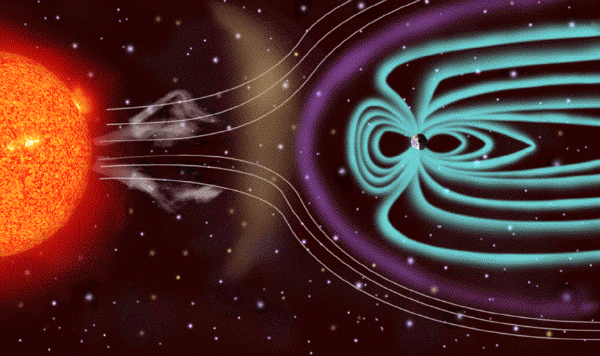
    A coronal mass ejection (CME) that erupted on March 15, 2013, hit Earth's magnetic field at 06:00 UTC on March 17, 2013. The solar wind speed reached 700 km/s and sparked a moderately strong G2 (Kp=6) geomagnetic storm and minor S1 solar radiation

  • Rock sample analysis indicates ancient Mars could have supported life

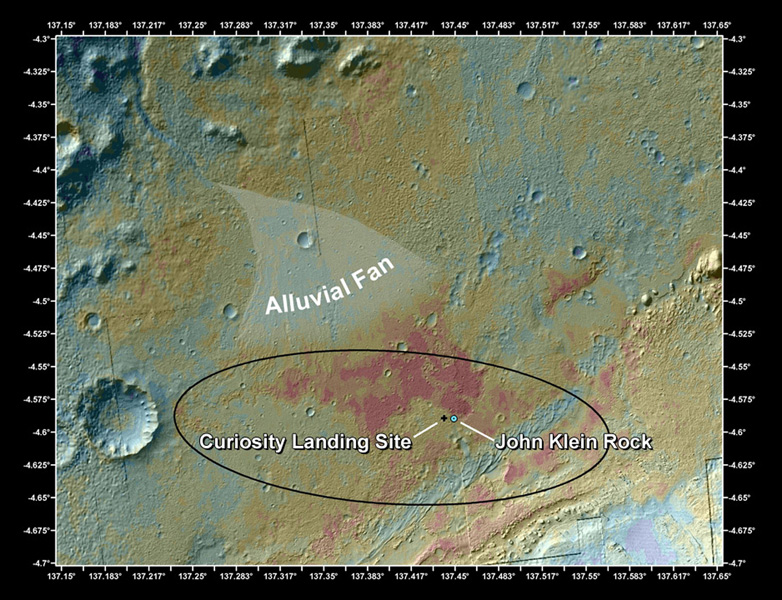
    Finally, NASA revealed results obtained from analysis of rock sample collected by Curiosity last month and reported ancient Mars could have had environment suitable for microbial life. Gray colored sample drilled out of a sedimentary rock contained some of the key

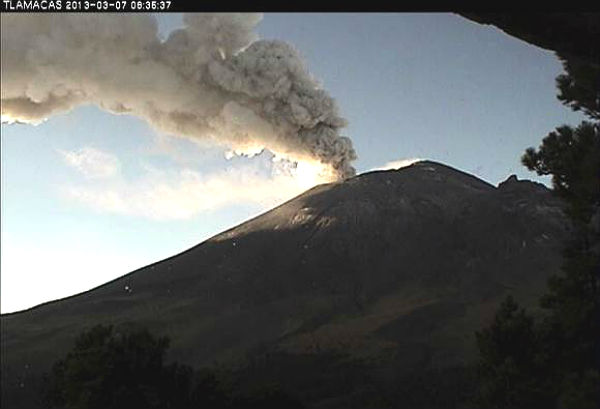
  • Popocatepetl volcano in Mexico entered into strong eruptive phase

    Popocatepetl volcano in Mexico experienced strongest eruption after some time on March 7, 2013.  The volcano has been showing signs of activity since February 2013, and according to reports is now entering a new phase of increased activity. A sequence of exhalations

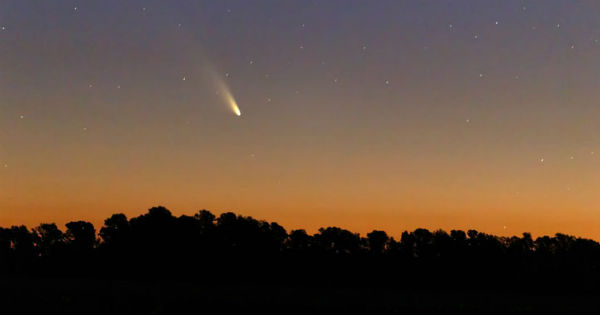
  • Comet Pan-STARRS (C/2011 L4) now visible with naked eye

    Comet Pan-STARRS has been brightening steadily for the past few months. By now Comet Pan-STARRS (C/2011 L4) became a naked-eye object while it makes its closest approach to the Sun, inside the orbit of Mercury. It is now closer to the Sun than Venus. At

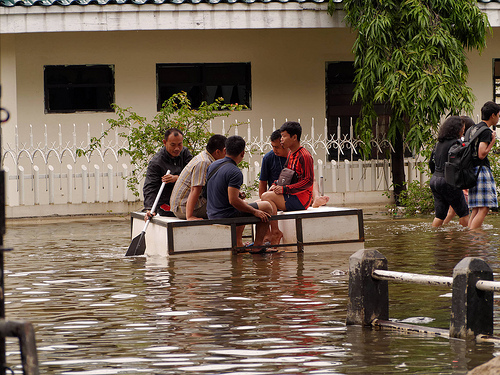
  • Weather modification – Avoiding floods by “cloud seeding”, Indonesia

    Cloud seeding, a weather modification technique, is commonly used to encourage rainfall in arid regions by dispersing substances into the air. But Indonesian government is using it to avoid further floods by redirecting rain to the ocean and claims their attempt has

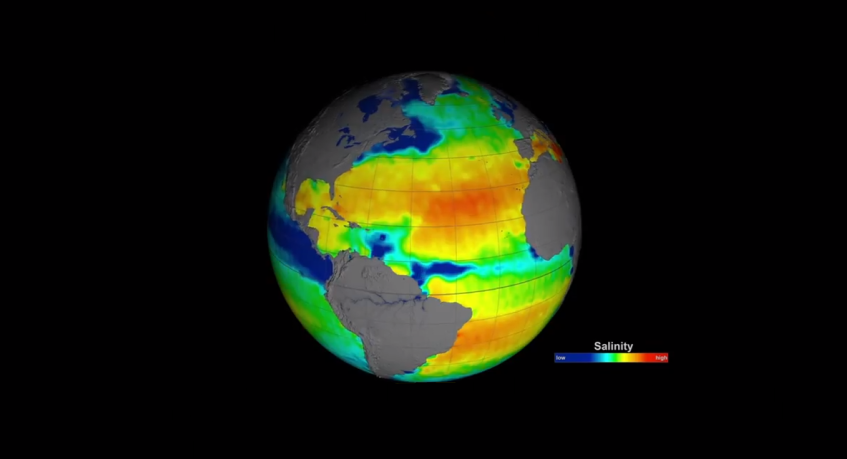
  • Aquarius satellite: One year observing the salty seas

    Launched on June 10, 2011, aboard the Argentine spacecraft Aquarius/Satélite de Aplicaciones Científicas (SAC)-D, Aquarius is NASA’s first satellite instrument specifically built to study the salt content of ocean surface waters.Salinity variations, one of the

  • Peru’s Sabancaya shows signs of possible eruption

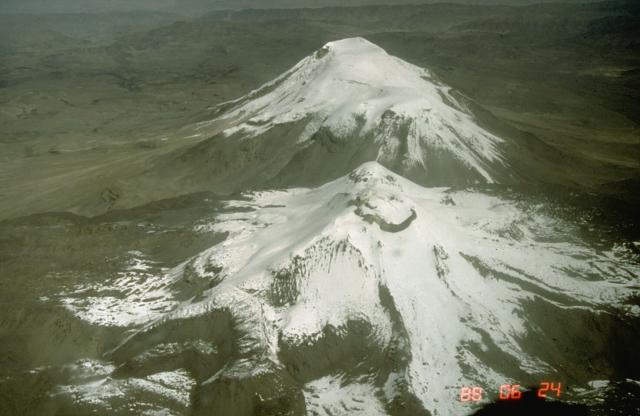
    Increased activity with numerous earthquakes was reported at stratovolcano Sabancaya, Peru, suggesting possible eruption in near future. Increase in seismic activity – 536 earthquakes between February 22 and 23, 2013 – was observed along with continuous emissions…

  • Chelyabinsk event – 20m wide asteroid explodes above Russia, damaging 3 000 buildings and injuring over 1 500 people

    A very bright flash was seen in the Chelyabinsk, Tyumen and Sverdlovsk regions, Russia’s Republic of Bashkiria, as well as in northern Kazakhstan, early morning local time on February 15, 2013. The flash was accompanied by a very loud explosion. Officials mention meteor shower and say that it began after a large meteorite disintegrated above the Urals mountain range and partially burned up in the lower atmosphere – resulting in fragments falling earthwards throughout the Chelyabinsk region.