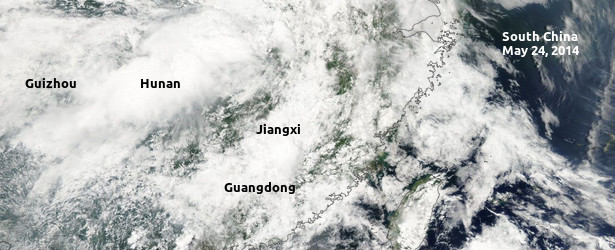
• “Storm of the Chinese century” causes severe flooding

    Continuous downpours that started more than a month ago are causing severe flooding in several provinces of south and central China. Provincial flood control and civil affairs authorities are saying this type of rainstorms occur once every 100 year.&

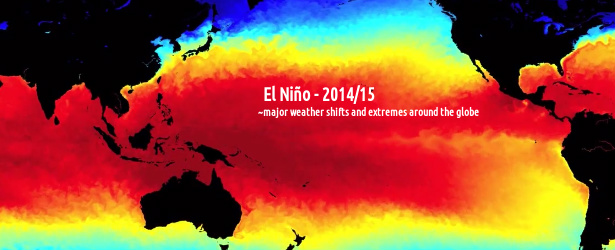
  • Super strong El Niño in 2014?

    Conditions in the Pacific Ocean continue to suggest that a super strong El Niño might be forming in 2014. Strong bursts of winds coming out of the west in the equatorial tropical Pacific replaced the easterly winds and ocean surface currents, which

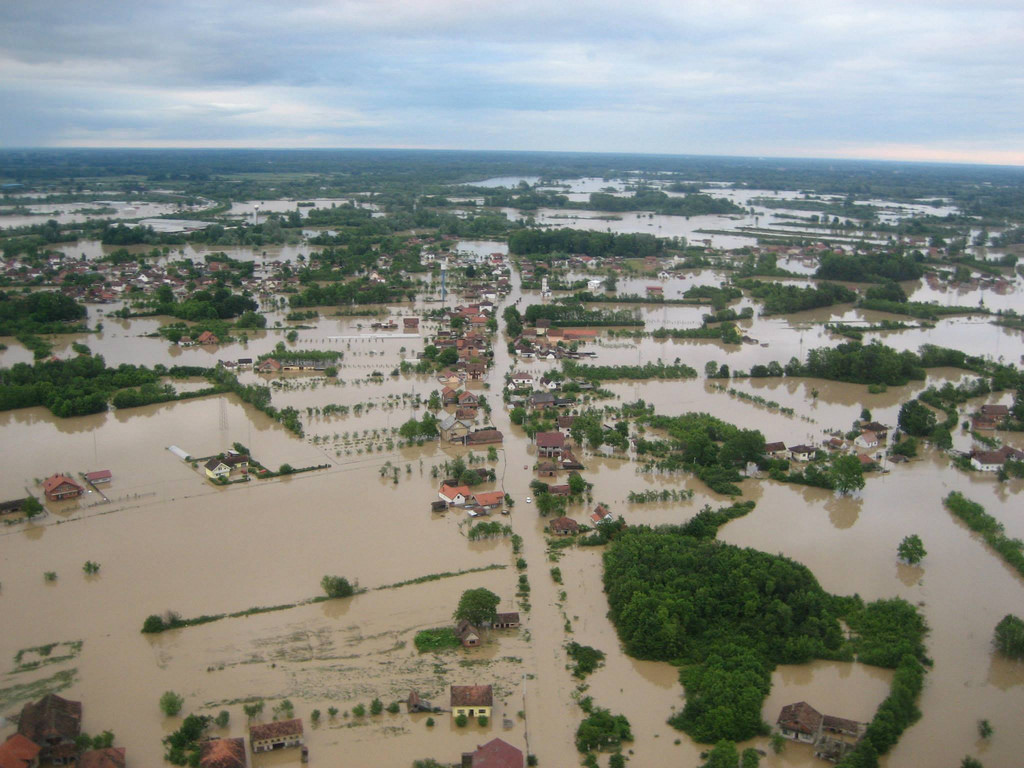
  • Balkan continues to fight with historic floods

    Devastating floods continue to affect Croatia, Bosnia and Herzegovina and Serbia. More than 2.5 million people have been affected, nearly one million people have been displaced and lost access to clear water. At least 100 000 structures and homes were destroyed….

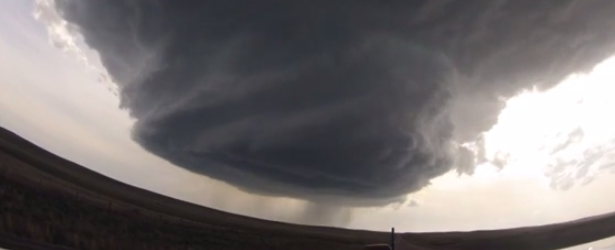
  • Epic time-lapse of supercell storm cloud formation

    A group of stormchasers called "Basehunters" have released two awesome videos of supercell cloud storms formed in northeast Wyoming (U.S.) over the last two days. Supercell storm clouds are rare, beautiful and extremely dangerous. The first vide

  • Early wildfires season around Lake Baikal, Russia

    Temperatures around Russian Lake Baikal have skyrocketed in the past few weeks to 21 degrees Celsius (70 degrees F) prompting outbreaks of fire. Temperatures in this region are usually cooler until late July/early August when the bulk of the wildfires in

  • Massive wildfires in California as seen from space

    An intense heatwave coupled with the Santa Ana winds lead to an outbreak of multiple wildfires throughout California this week. Most of those wildfires originated from the Bernardo Fire, which had ignited on May 13, 2014. In just 24 hours t

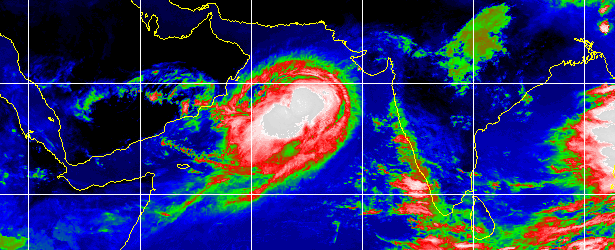
  • Intense tropical cyclones shifting poleward since 1980

    Researchers find that the average latitude where tropical cyclones achieve maximum intensity has been shifting poleward since 1980.Over the past 30 years, the location where tropical cyclones reach maximum intensity has been shifting toward the poles in both the norther