• Mars spacecraft preparing for Comet Siding Spring’s close flyby

    As Comet C/2013 A1 Siding Spring heads toward a close flyby of Mars on October 19, 2014, NASA and ESA are both taking steps to protect their Mars orbiters, while still preserving opportunities to gather valuable scientific data. Six days after p

  • Gigantic sinkhole opens up in Yamal Peninsula, northern Russia

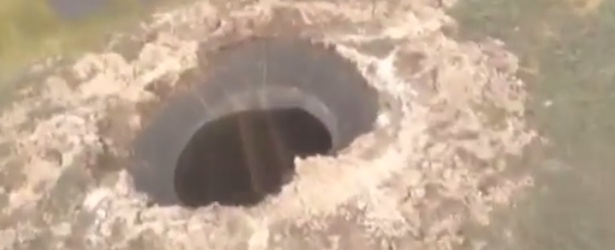
    A mysterious gigantic sinkhole has opened up in the peninsula of Yamal, a place which locals call the 'end of the world', Siberia, northern Russia. It was originally thought to be a fake, but the hole has been established as a real phenomenon and is thought…

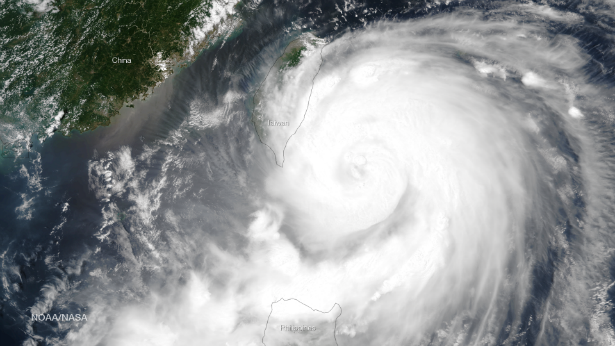
  • Typhoon Rammasun hit Philippines as Category 3 typhoon

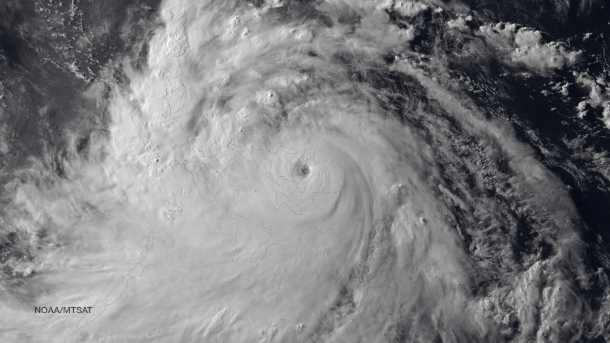
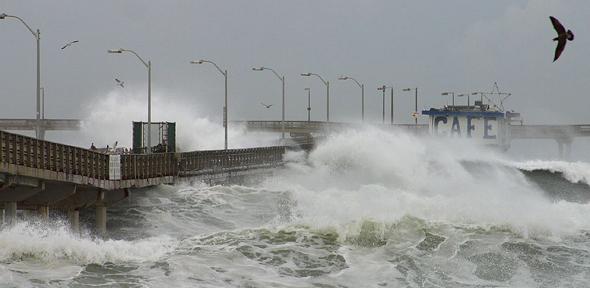
    Typhoon Rammasun (locally known as Glenda) made landfall in the eastern part of the central Philippines, in the Visayas region, early on July 15, 2014, as a Category 3 typhoon. Wind gusts up to 200 km/h (125 mph) were recorded. Torrential rains and heavy winds

  • Study reveals economic impact of El Niño

    El Niño has a significant impact on the world and local economies – and not always for the worst – and countries should plan ahead to mitigate its effects, according to a new Working Paper from the University of Cambridge.The paper, Fair weather or foul: the

  • Radio-burst discovery deepens astrophysics mystery

    Brief pulse detected by Arecibo telescope appears to come from far beyond our galaxy… The discovery of a split-second burst of radio waves by scientists using the Arecibo radio telescope in Puerto Rico provides important new evidence of mysterious pulses that app

  • NASA’s RapidScat to unveil hidden cycles of sea winds

    Ocean waves, the hot sun, sea breezes — the right combination makes a great day at the beach. A different combination makes a killer hurricane. The complex interactions of the ocean and the air above it that can create such different outcomes are not yet fully known. S

  • Noctilucent clouds outburst reported

    Sky watchers in Europe are reporting an outburst of bright noctilucent clouds (NLCs). The display began at sunset on July 3rd, filling northern horizons with electric-blue ripples, swirls, and tendrils of light.Morten Ross sent this picture to SpaceWeather.com from