• Active volcanoes in the world: April 17 – April 23, 2013

    This week, one volcano had new activity, whereas ongoing activity was reported for 10 volcanoes. This report covers active volcanoes in the world recorded from April 17 – April 23, 2013 based on Smithsonian/USGS criteria.New activity/unrest: | Soputan,

  • Old Faithful’s hidden cavern discovered

    A new study of the Yellowstone National Park geyser shows that the underground plumbing of the Old Faithful looks like a bagpipe. Scientists report, in study published online March 30, 2013 in the journal Geophysical Research Letters, that a big chamber is

  • A new paroxysm at Etna's New Southeast Crater

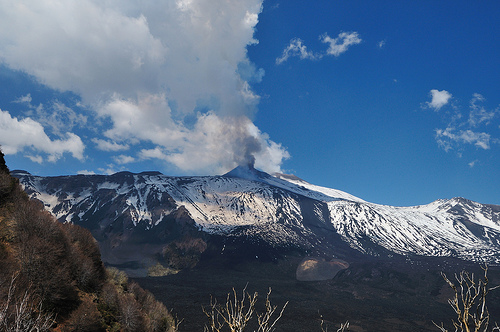
    Only two days passed since the last eruption, and new, 12th paroxysm of the New SE crater happened during April 20, 2013. According to INGV Sezione di Catania, explosive activity had resumed on April 19, 2013, less than 24 hours after the end of the previous

  • Active volcanoes in the world: April 10 – April 16, 2013

    This week, 2 volcanoes had new activity, whereas ongoing activity was reported for 16 volcanoes. This report covers active volcanoes in the world recorded from April 10 – April 16, 2013 based on Smithsonian/USGS criteria.New activity/unrest: | Galeras,

  • New study could rewrite history of Auckland’s volcanic field

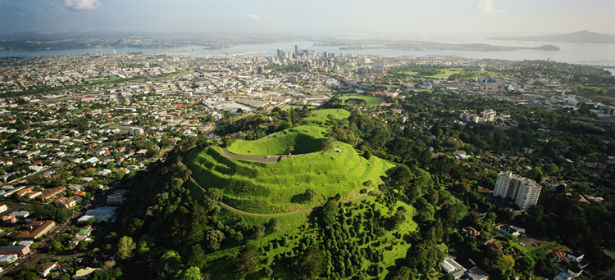
    A new study released in the Journal of Volcanology and Geothermal Research suggests that Rangitoto, a monogenetic shield volcano near Auckland, New Zealand, and other volcanoes in the Auckland Field might have been more active during the last few thousand years than

  • Active volcanoes in the world: April 3 – April 9, 2013

    This week, 6 volcanoes had new activity, whereas ongoing activity was reported for 13 volcanoes. This report covers active volcanoes in the world recorded from April 3 – April 9, 2013 based on Smithsonian/USGS criteria.New activity/unrest: | Grozny Group,

  • NASA's unmanned aircraft surveys volcano

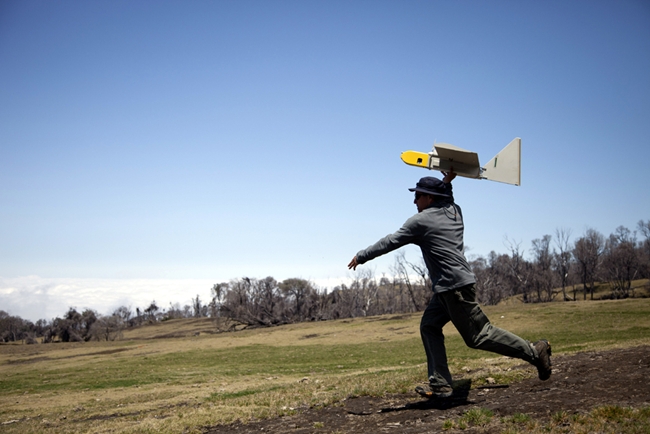
    To improve understanding of volcanoes, researchers need to gather data about volcanic ash and gases. However, volcanic airspace contains noxious gases that can be dangerous for researchers as well as conventional combustion engines. Considering the nature and magnitude