• New York City confirms 18 deaths during prolonged Arctic cold

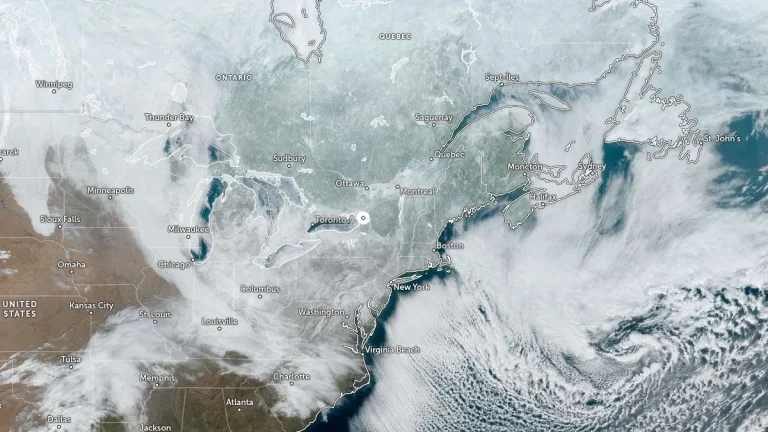
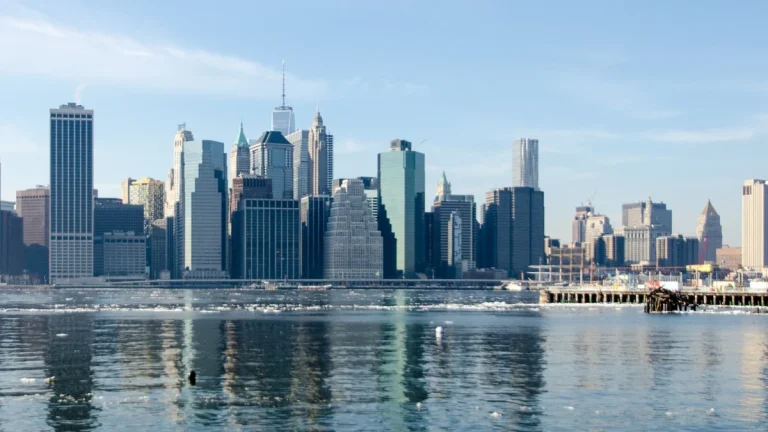
    Eighteen cold-related deaths were confirmed in New York City as of February 11, 2026, following a prolonged stretch of Arctic air that gripped the city from mid-January through early February. The fatalities occurred during a 9-day period of subfreezing temperatures that ended February 2, with wind chills falling below −25°C (−13°F) on multiple mornings. Most of the victims were found outdoors, according to city officials.
  • Cross-country storm to bring heavy rain to the South and snow to the West and Great Lakes

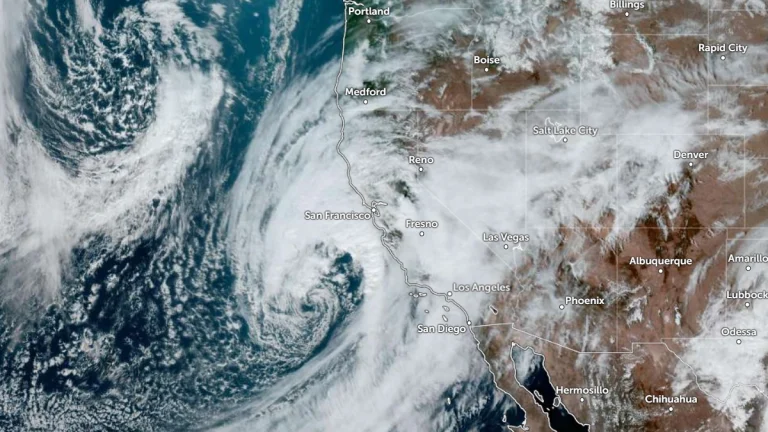
    An atmospheric river affecting California on February 11, 2026, is forecast to evolve into a cross-country storm moving across the southern U.S. through February 13–14, 2026. Widespread rainfall totals of 25 to 75 mm (1–3 inches), with locally higher amounts, are possible across Texas to Georgia. Heavy snow is ongoing in the Sierra Nevada, with additional accumulations expected in the Wasatch and central Rockies.

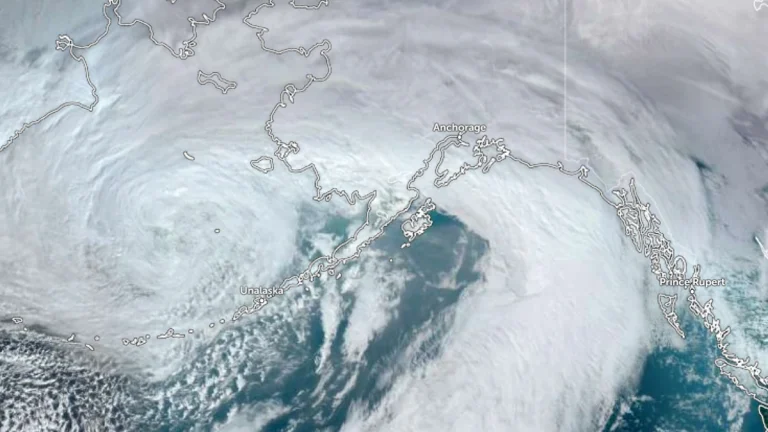
  • Wind chills to −57°C (−70°F) as Extreme Cold and Blizzard Warnings continue across Alaska

    Extreme Cold Warnings and Blizzard Warnings remain in effect across northern and western Alaska on February 11, 2026, with the National Weather Service forecasting wind chills as low as −57°C (−70°F) along the Arctic Coast and Brooks Range and wind gusts up to 105 km/h (65 mph) on St. Lawrence Island. Air temperatures near −46°C (−50°F) combined with increasing winds are expected to intensify frostbite risk across the North Slope, while snowfall of 7–15 cm (3–6 inches) and visibility reductions to 400 m (0.25 miles) or less are forecast in parts of western Alaska through early February 12.

  • Deep M6.2 earthquake hits Fiji region

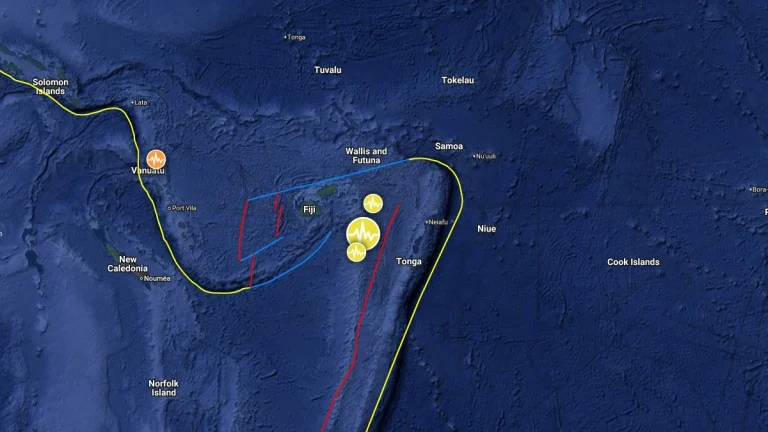
    A deep earthquake registered by the USGS as M6.2 struck the Fiji region at 20:44 UTC on February 10, 2026 (08:44 LT, February 11). The agency is reporting a depth of 511 km (317 miles). EMSC is reporting the same magnitude and depth.

  • Watertown drops to -38°C (-36°F) as Arctic air grips Upstate New York

    An intense Arctic cold outbreak drove temperatures well below seasonal norms across Upstate New York on Sunday, February 8, 2026, with Watertown reaching −38°C (−36°F) at the airport. Several other communities matched or exceeded their lowest temperatures of the winter during the same period.

  • Pyroclastic density currents from Mayon volcano reach 4 km (2.5 miles), Philippines

    A series of collapse-fed pyroclastic density currents descended the Mi-isi Gully at Mayon volcano, Philippines, on February 9, 2026, with the farthest runout reaching 4 km (2.5 miles) from the summit crater. The activity peaked between 10:35–11:37 local time (LT), culminating in a seven-minute event at 10:59 LT that generated ash clouds exceeding 2 km (about 6 560 feet) in height and causing ashfall across parts of Camalig and Guinobatan, Albay, during rainy conditions.

  • Hydrothermal unrest persists at El Chichón volcano, Mexico

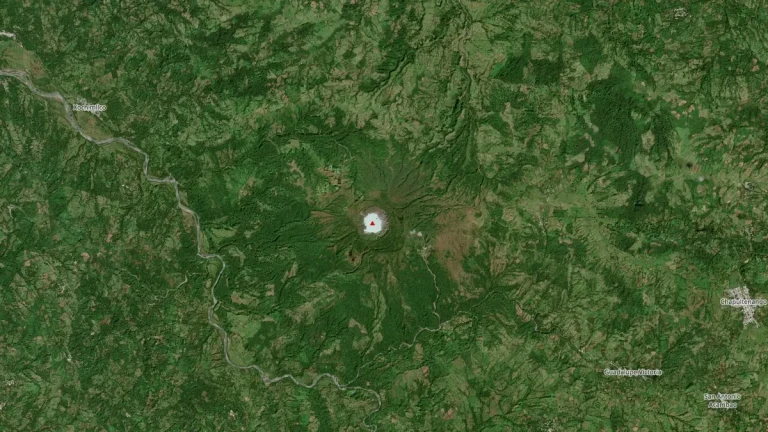
    Hydrothermal unrest at El Chichón volcano in northern Chiapas, Mexico, has persisted since mid-2025, characterized by elevated seismicity, chemical-physical changes in the crater lake, and increased gas emissions. National and academic monitoring institutions report no evidence of magma ascent, and current conditions do not indicate an imminent eruption. The volcano remains at Yellow Alert.