I'm a dedicated researcher, journalist, and editor at The Watchers. With over 20 years of experience in the media industry, I specialize in hard science news, focusing on extreme weather, seismic and volcanic activity, space weather, and astronomy, including near-Earth objects and planetary defense strategies. You can reach me at teo /at/ watchersnews.bigscoots-staging.com.

  • Major M7.4 earthquake hits Chocó, Colombia, leaving 329 dead and 234 missing

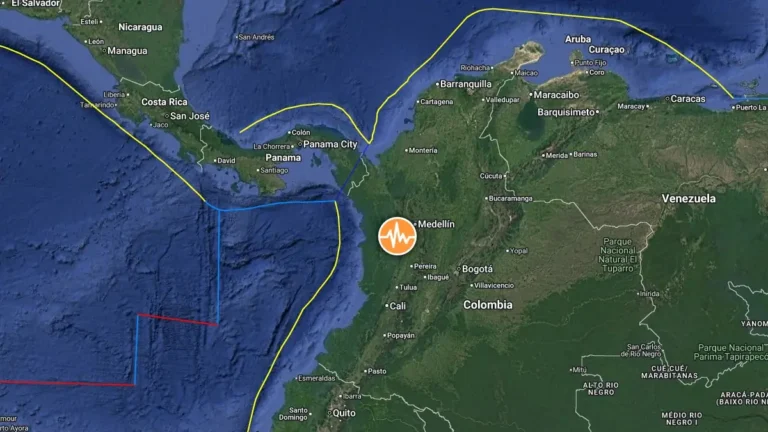
    A major earthquake registered by the USGS as M7.4 hit Chocó, Colombia at 12:34 UTC on August 10, 2026. The agency is reporting a depth of 107 km (66 miles). EMSC is reporting M7.2 at a depth of 95 km (59 miles). According to the Pacific Tsunami Warning Center (PTWC), there is no tsunami threat because the earthquake occurred too deep inside the Earth.
  • Etna opens new vent in Valle del Bove after intense lava fountaining, ash disrupts Catania airport, Italy

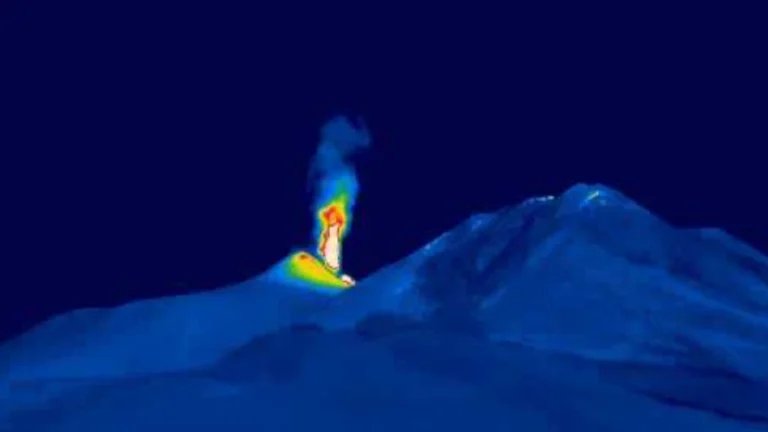
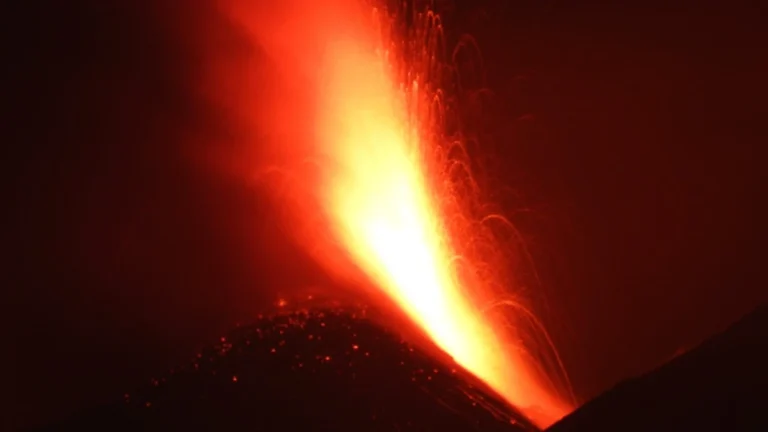
    Strong Strombolian activity continued at Etna’s Voragine crater at 10:38 LT (08:38 UTC) on August 7, 2026, after an overnight lava-fountain phase progressively weakened. The National Institute of Geophysics and Volcanology (INGV) reported ashfall at Ragalna and Adrano, lava flows in Valle del Leone and a new eruptive vent in Valle del Bove, while incoming flights at Catania Airport were temporarily suspended.

  • Strong eruption at Fuego volcano produces pyroclastic flows up to 7 km, prompting evacuations, Guatemala

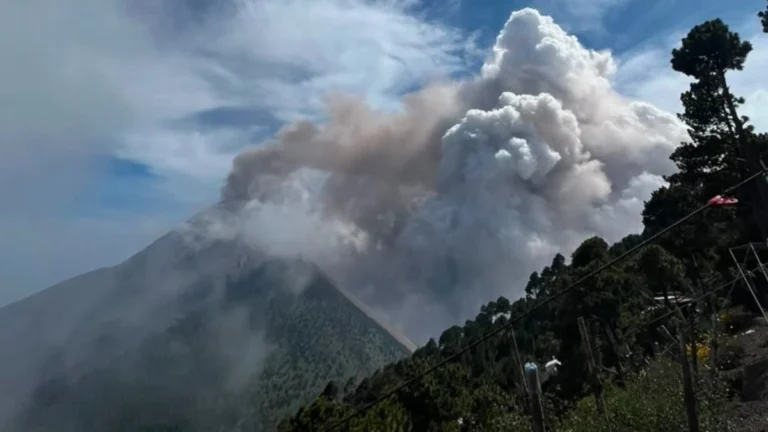
    Activity at Guatemala’s Volcán de Fuego intensified on August 3, 2026, producing pyroclastic density currents that traveled 5 to 7 km (3 to 4 miles) through the Seca ravine. The eruption entered a paroxysmal phase late that evening, with lava fountains reaching 200 to 300 m (650 to 1 000 feet) above the crater, before currents expanded into five ravines early on August 4. SE-CONRED declared an Institutional Orange Alert, and authorities ordered preventive evacuations in El Porvenir, Las Lajitas and nearby communities.

  • Long-duration M1.9 flare produces Earth-directed CME, G1-G2 geomagnetic storm conditions forecast for August 2

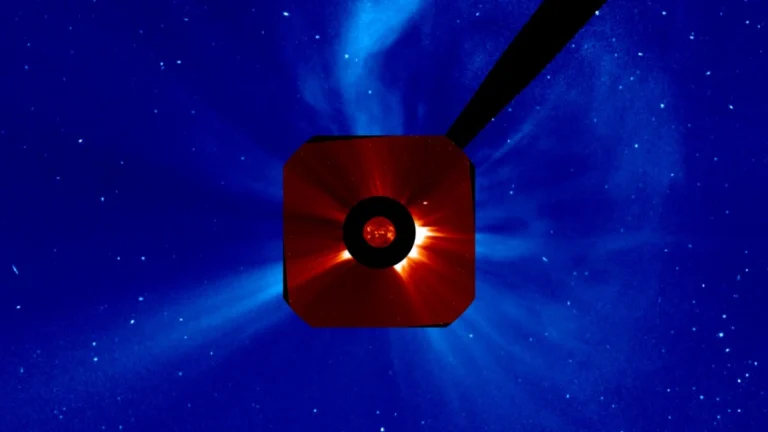
    A long-duration M1.9 flare from Active Region 4492 coincided with a filament eruption near N20W67, producing an eruptive sequence associated with an Earth-directed partial-halo CME and an S1 – Minor solar radiation storm on July 30, 2026. WSA-Enlil model runs placed a possible CME arrival at Earth early on August 2, when NOAA’s Space Weather Prediction Center expects G1-G2 (Minor-Moderate) geomagnetic storm conditions.

  • Strong and shallow M7.1 earthquake hits Kyushu, Japan, hazardous tsunami waves possible

    A strong and shallow earthquake registered by the USGS as M6.8 struck Kyushu, Japan at 07:27 UTC (16:27 JST) on July 28, 2026. The agency is reporting a depth of 10 km (6.2 miles). EMSC is reporting M6.8 at a depth of 10 km (6.2 miles), while the Japan Meteorological Agency (JMA) reported M7.1 at a depth of 10 km (6.2 miles) in the Kumamoto Region, Kumamoto Prefecture. According to the Pacific Tsunami Warning Center (PTWC), hazardous tsunami waves are possible within 300 km (186 miles) of the epicenter.

  • Strong M6.0 earthquake hits Vanuatu

    A strong earthquake registered by the USGS as M6.0 hit Vanuatu at 21:37 UTC on July 24, 2026. The agency is reporting a depth of 45 km (28 miles). EMSC is reporting the same magnitude and depth. Vanuatu Meteorology & Geo-hazards Department (VMGD) is reporting M5.9 at a depth of 10 km (6.2 miles).