I'm a dedicated researcher, journalist, and editor at The Watchers. With over 20 years of experience in the media industry, I specialize in hard science news, focusing on extreme weather, seismic and volcanic activity, space weather, and astronomy, including near-Earth objects and planetary defense strategies. You can reach me at teo /at/ watchers.news.

  • A 15.2 cm (6 inches) hailstone in Kankakee could set a new Illinois record

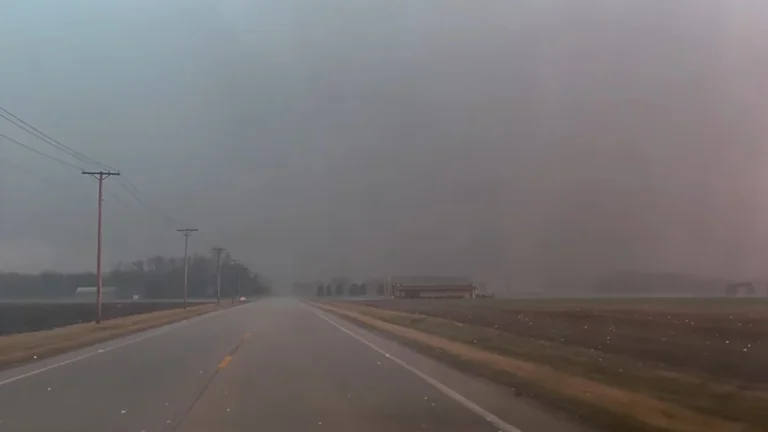
    A 15.2 cm (6 inches) wide hailstone was measured in Kankakee, Illinois, on March 10, 2026, after an intense supercell produced a corridor of giant hail across parts of northern Illinois, according to the National Weather Service (NWS) in Chicago. The agency said the stone may be considered for a new Illinois state record, but its status remains unofficial pending verification.
  • Meteorite damages homes in Koblenz, Germany after bright fireball

    A bright fireball crossed the sky over western Europe at 17:55 UTC (18:55 local time) on March 8, 2026, producing meteorites that struck residential buildings in Koblenz, Rhineland-Palatinate, Germany. Several fragments penetrated roofs in the city’s Güls district and damaged houses, while meteorites were recovered shortly after the event. No injuries were reported.

  • Acid rain from Ambae reaches four islands as Vanuatu readies emergency response

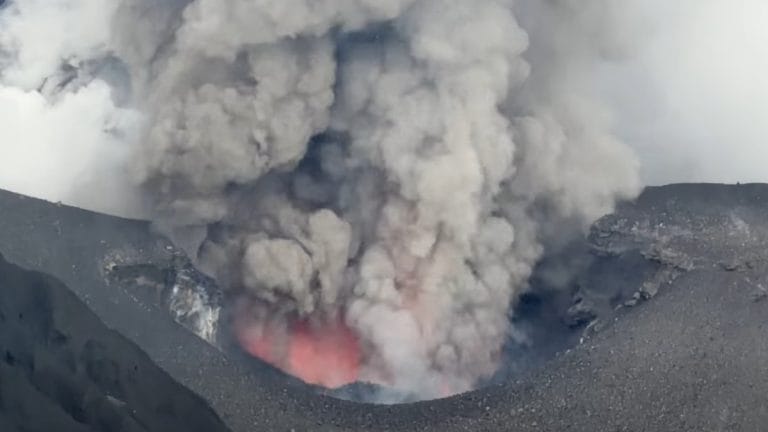
    Ambae’s Manaro Voui volcano remained in minor eruption on March 6, 2026, as Vanuatu’s government approved emergency response measures after acid rain and ash impacts spread beyond the island. Authorities maintained Alert Level 3 and prepared evacuation plans in case activity escalates further, but said no mass evacuation had been ordered at this stage.

  • Strong and shallow M6.3 earthquake hits Solomon Islands

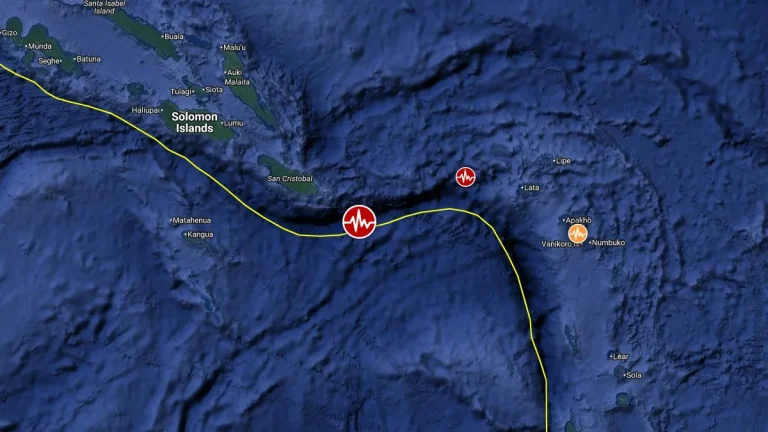
    A strong and shallow earthquake registered by the USGS as M6.3 struck 182 km (113 miles) ESE of Kirakira, Solomon Islands at 14:27 UTC on March 6, 2026. The agency is reporting a depth of 8.7 km (5.4 miles). EMSC is reporting M6.3 at a depth of 9 km (5.6 miles). According to the Pacific Tsunami Warning Center (PTWC), there is no tsunami threat from this event.

  • JWST observations eliminate lunar impact probability of asteroid 2024 YR4 in 2032

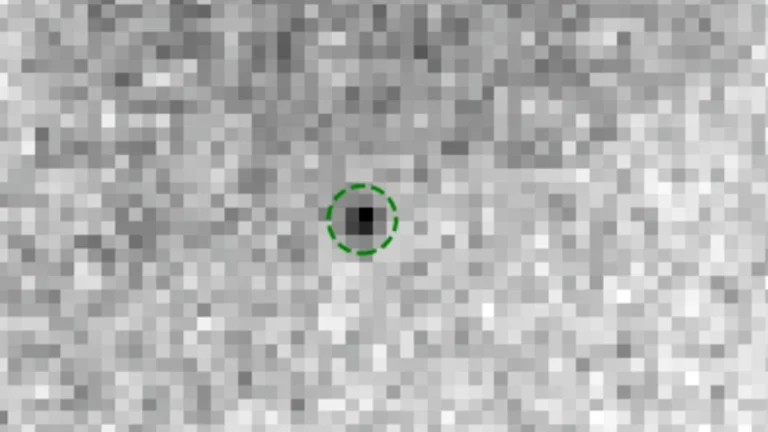
    Astronomers have ruled out a potential Moon impact by asteroid 2024 YR4 on December 22, 2032 after precise measurements from the James Webb Space Telescope refined the object’s orbit. The asteroid, once briefly considered among the most closely monitored impact risks discovered in the past two decades, will instead pass safely beyond 20 000 km (12 400 miles) from the Moon.

  • Polar vortex disrupted as major sudden stratospheric warming develops over the Arctic

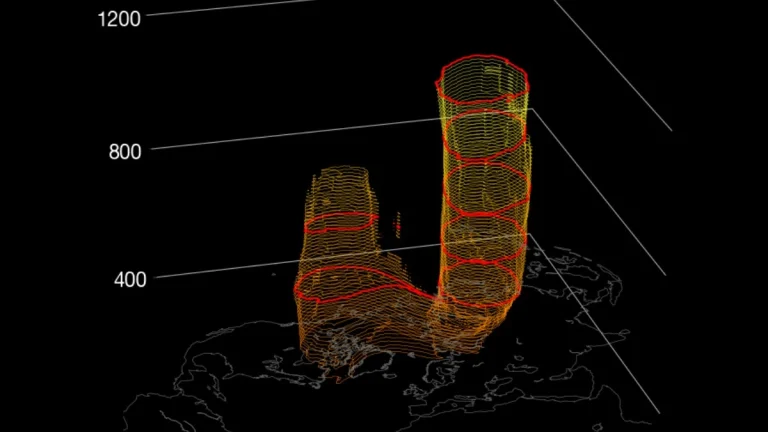
    Multiple atmospheric diagnostics show that a major sudden stratospheric warming is underway over the Arctic, with strong planetary wave activity, rapid polar warming, and reversal of the stratospheric jet indicating a significant disruption of the polar vortex circulation. This type of stratospheric disruption can influence atmospheric circulation patterns in the coming weeks, sometimes increasing the likelihood of cold air outbreaks across parts of North America, Europe, and Asia.

  • Strong and shallow M6.4 earthquake hits Rat Islands, Aleutian Islands, Alaska

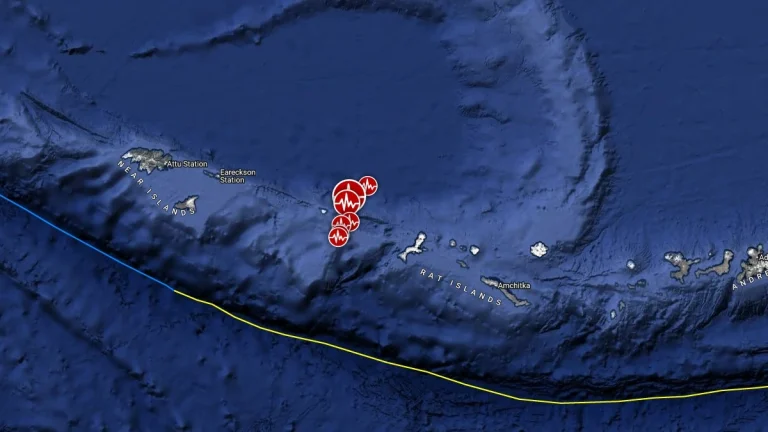
    A strong and shallow earthquake registered by the USGS as M6.4 hit near the Rat Islands, Aleutian Islands, Alaska at 17:54 UTC on March 4, 2026. The agency is reporting a depth of 10 km (6.2 miles). EMSC is reporting the same magnitude and depth. According to the National Tsunami Warning Center (NTWC), there is no tsunami danger from this event.

  • Earthquake swarm near Tonopah, Nevada

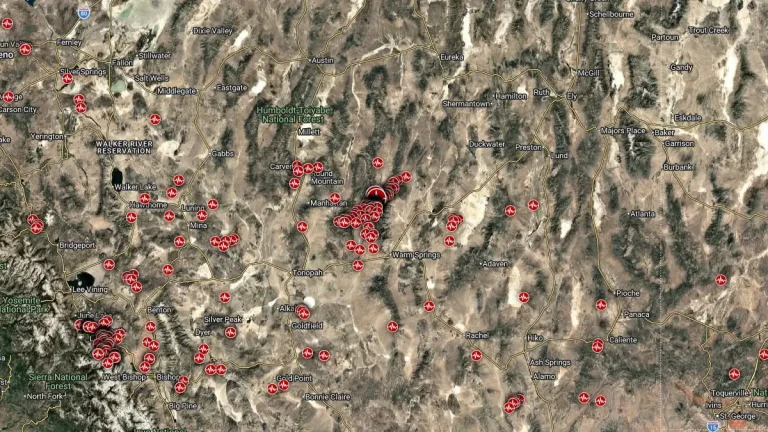
    A swarm of small earthquakes has been shaking the desert northeast of Tonopah, Nevada, since late February 2026, with nearly a hundred shallow events recorded by the U.S. Geological Survey through 17:00 UTC on March 4.

  • How disruption in the Strait of Hormuz threatens fertilizer supply and global food prices

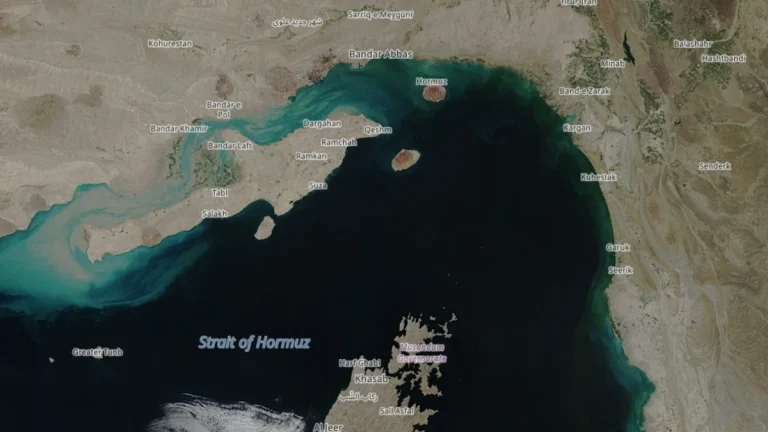
    Shipping through the Strait of Hormuz sharply declined in early March after escalating conflict in the Gulf disrupted commercial navigation through the narrow corridor between Iran and Oman. While the strait is widely known as one of the world’s most important oil routes, it also connects natural gas exports from Gulf producers to global fertilizer production and agricultural supply chains. Disruptions affecting this corridor can therefore propagate beyond energy markets and influence fertilizer availability, agricultural input costs, and ultimately food prices worldwide.