I'm a dedicated researcher, journalist, and editor at The Watchers. With over 20 years of experience in the media industry, I specialize in hard science news, focusing on extreme weather, seismic and volcanic activity, space weather, and astronomy, including near-Earth objects and planetary defense strategies. You can reach me at teo /at/ watchers.news.

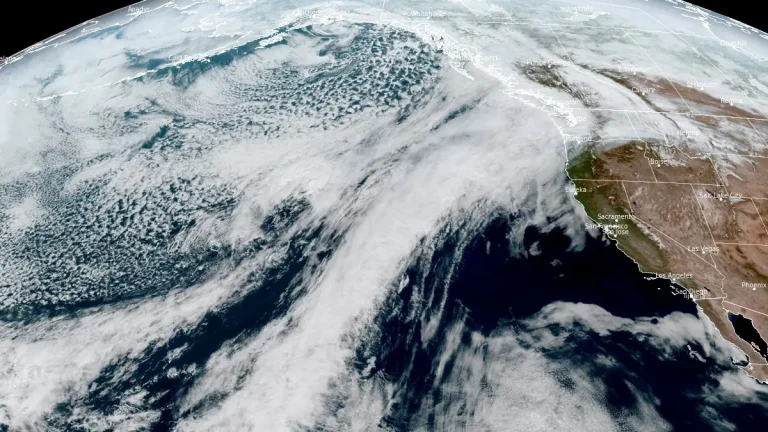
  • Prolonged atmospheric river brings Flood Watch and high avalanche danger to British Columbia as some areas face up to 400 mm (15.7 inches) of rain

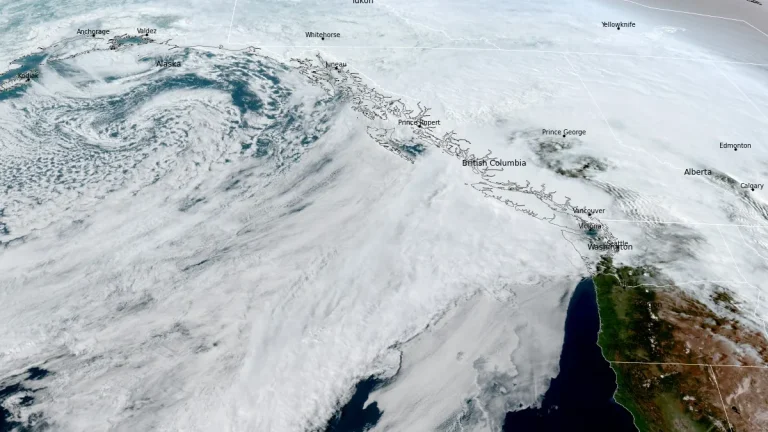
    A prolonged atmospheric river is affecting British Columbia this week, with Flood Watch, multiple rainfall warnings, and Special Weather Statements in effect across parts of the province. Some coastal areas could receive up to 400 mm (15.7 inches) of rain, while heavy rain on existing snowpack is increasing the risk of flooding, washouts, landslides and dangerous avalanche conditions.

  • Dust storm triggers multi-vehicle crash on U.S. 287 in northern Texas

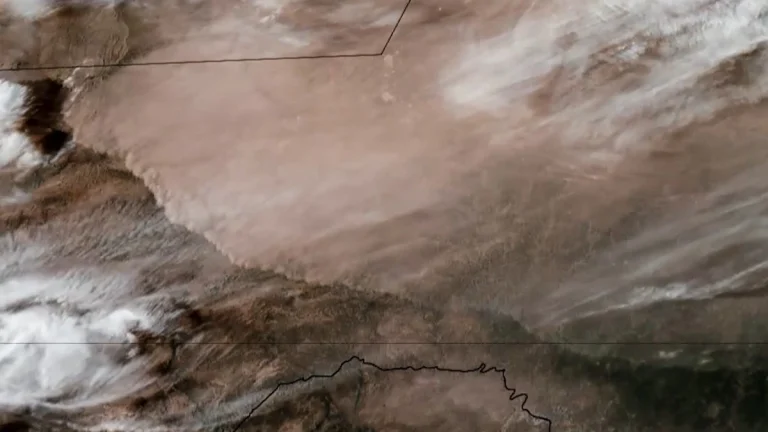
    A multi-vehicle crash occurred on U.S. Highway 287 near Quanah in Hardeman County, northern Texas, on March 15, after strong winds generated blowing dust that rapidly reduced visibility and created dangerous driving conditions. Video footage recorded in the area shows dense dust moving across the highway as vehicles traveled through the corridor. Visibility deteriorated rapidly…

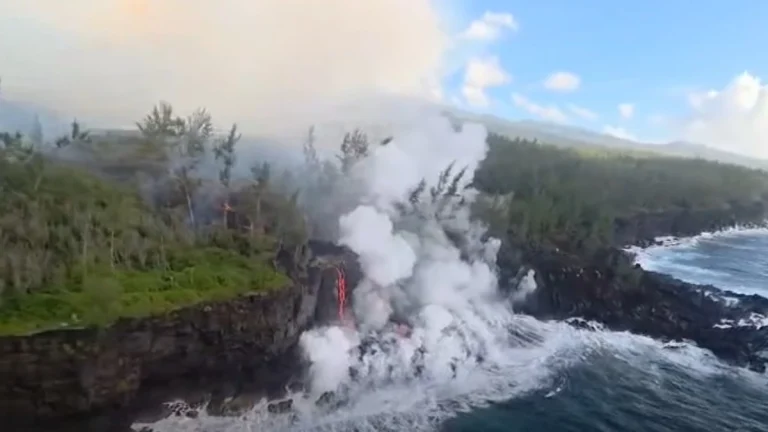
  • Lava from Piton de la Fournaise enters the Indian Ocean after crossing RN2 coastal road, Réunion Island

    Lava from an ongoing eruption at Piton de la Fournaise entered the Indian Ocean along the southeastern coast of Réunion Island at about 00:20 local time on March 16, 2026, after advancing downslope through the Grand Brûlé lava field and crossing the RN2 coastal road several days earlier, producing steam plumes and localized hazards where molten rock met seawater.

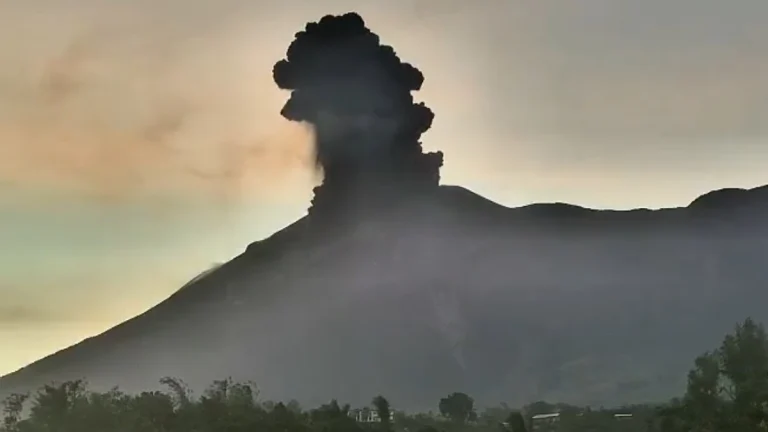
  • Schools closed, ashfall reported after explosive eruption at Kanlaon volcano, Philippines

    An explosive eruption occurred at Kanlaon volcano on Negros Island, central Philippines, at 18:07 LT (10:07 UTC) on March 15, 2026, producing an ash plume rising more than 5 km (3.1 miles) above the summit and depositing ashfall across at least 54 barangays in 11 local government units. Monitoring data associated with the event recorded nine volcanic earthquakes and sulfur-dioxide emissions of about 1 085 tonnes per day. Authorities also reported vegetation fires on the volcano’s slopes and suspended classes in several municipalities on March 16 as a precaution.