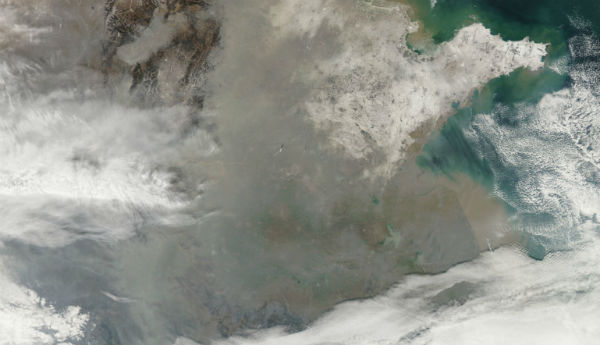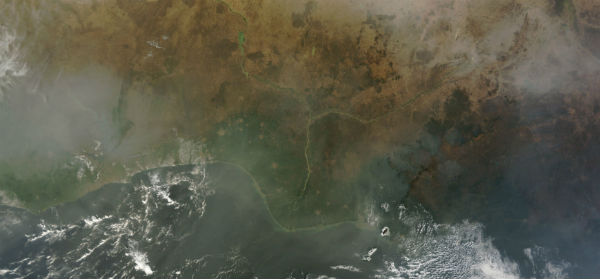
• West Africa veiled by dust and smoke

    Dust from the Bodélé Depression, in the Sahara Desert, blows southwestward towards Lake Chad, and can also be seen south of the lake. The lower portion of the image is also covered by a hazy veil, although this is due to fires in Chad and the Central African Republic
  • Long-term effects of megadrought on Amazonian forests

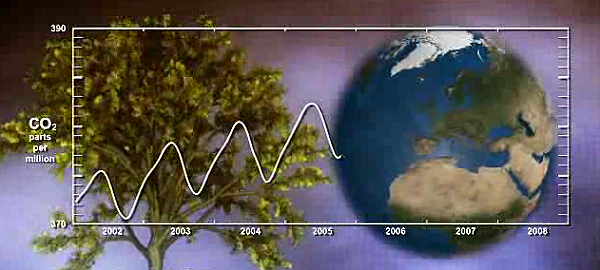
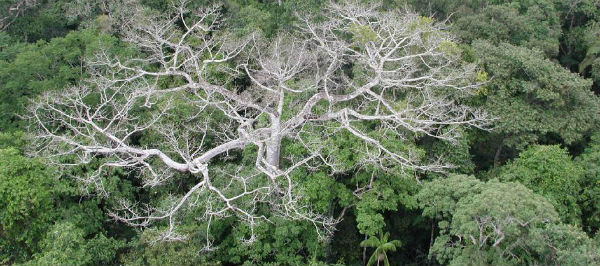
    The rainforests in southern and western Amazonia may be showing the first signs of potential large-scale degradation due to climate change as Amazon rainforest continues to suffer from the effects of a megadrought that began in 2005, attributed to the long-term

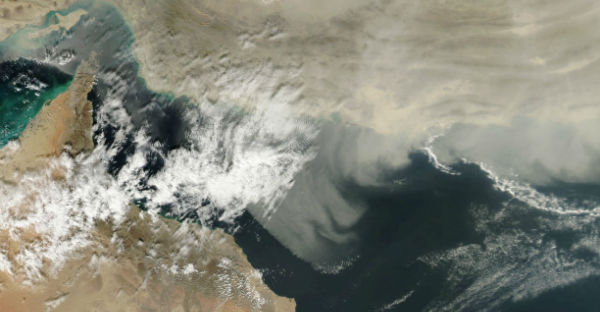
  • Dust storm over Iran

    A dust storm can be seen spreading over eastern Iran and western Pakistan and over Arabian Sea. The dust blows southward, over the coast of the Arabian Sea, Gulf of Oman and Strait of Hormuz.

    Dust plumes captured by MODIS/Terra satellite on January 17, 2013

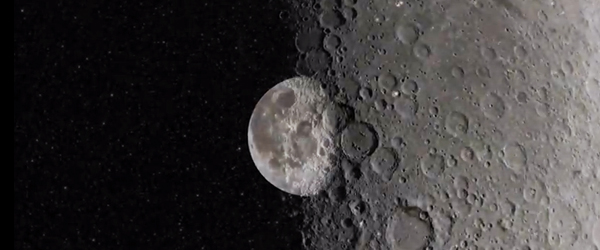
  • Tour of the Moon

    Although the moon has remained largely unchanged during human history, our understanding of it and how it has evolved over time has evolved dramatically. Thanks to new measurements, we have new and unprecedented views of its surface, along with new insight into how it

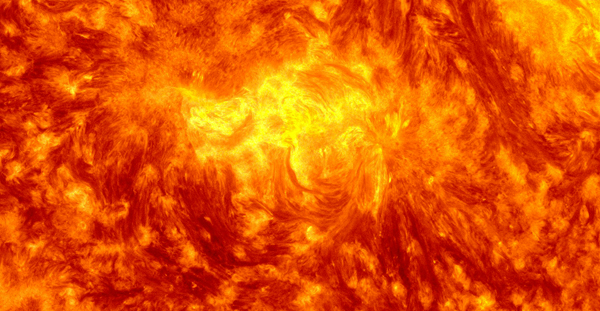
  • Sunspot 1654 still dominates the visible solar disk

    Active Region 1654 has traveled half across the Earth facing side of the Sun and now is squarely facing Earth. On January 13, this huge sunspot reached its maximum size measured as more than 193 000 km (120, 000 miles) wide long or 15 Earth diameters) from end to

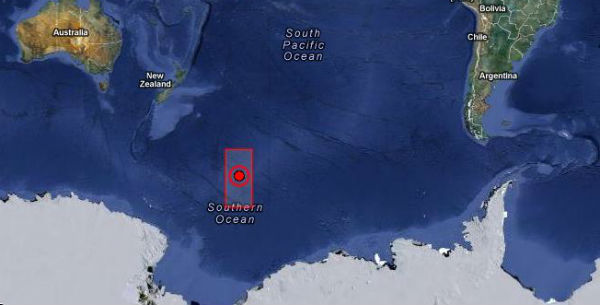
  • Strong M 6.2 earthquake at Pacific – Antarctic Ridge

    Strong and shallow earthquake registered as M 6.2 occurred in Pacific – Antarctic Ridge (62.580°S, 161.397°W) on January 15, 2013 at 16:09:37 UTC. According to USGS, the epicenter was at the depth of 10 km (6.2 miles) while EMSC recorded M 6.1 at depth of 80 km

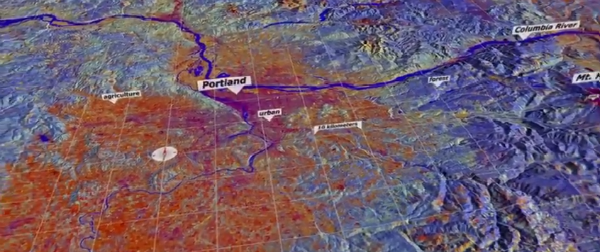
  • A disturbance in the forest from Landsat perspective

    This is a sequence of Landsat-based data in the Pacific Northwest. There is one data set for each year representing an aggregate of the approximate peak of the growing season (around August). The data was created using a sophisticated algorithm called LandTrendr.The