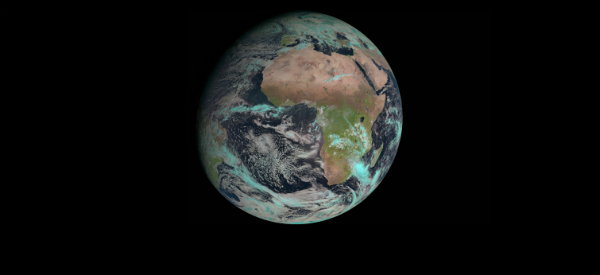
• Meteosat-10 takes over from Meteosat-9

    Launched on 5 July, Meteosat-10 is the latest satellite in the Meteosat Second Generation (MSG) series, which provides operational weather and climate monitoring services over Europe and Africa.In April 2013, Meteosat-9 will take over the Rapid Scanning Service (RSS)
  • Dust plumes from Sahara over Mediterranean Sea

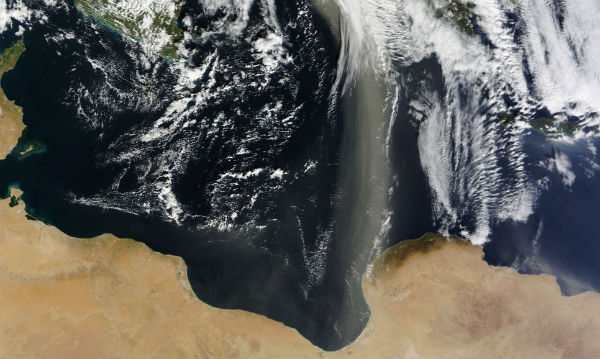
    A plume of Saharan dust, extending roughly 1,110 kilometers (700 miles), spanned the Mediterranean Sea in late January 2013. A swath of dust blows northward from the Sahara Desert in Libya, over the Gulf of Sidra, past the western end of the Jebel Akhdar

  • The Quantum Guide – Pulsars

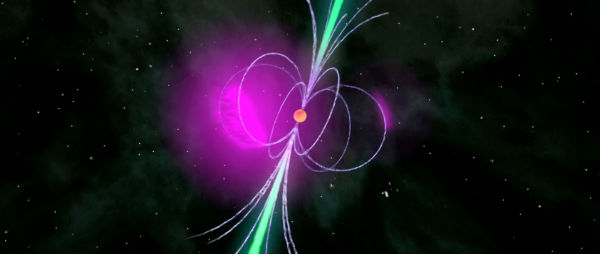
    A pulsar is a neutron star that emits beams of radiation that sweep through Earth’s line of sight. Like a black hole, it is an endpoint to stellar evolution. The “pulses” of high-energy radiation we see from a pulsar are due to a misalignment of the neutron star’s

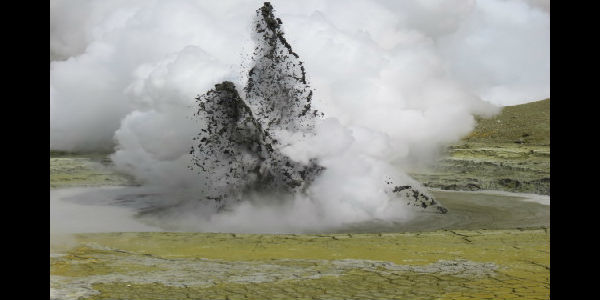
  • Increased volcanic activity worldwide in late January 2013

    Kamchatka's volcanoes continued with ongoing eruptions. KVERT reports that there are currently seven active volcanoes (orange alert) – Kizimen, Karymski, Shiveluch and Plosky Tolbachik at orange level and Bezymianny, Gorely and Klyuchevskoy at yellow level….

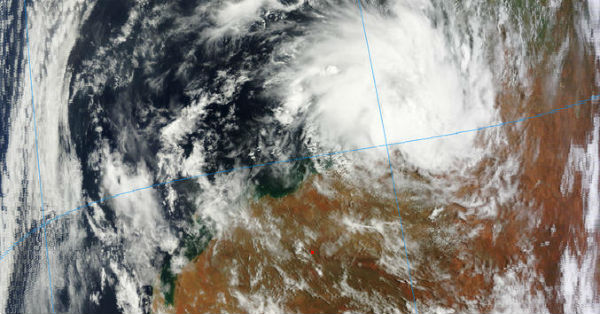
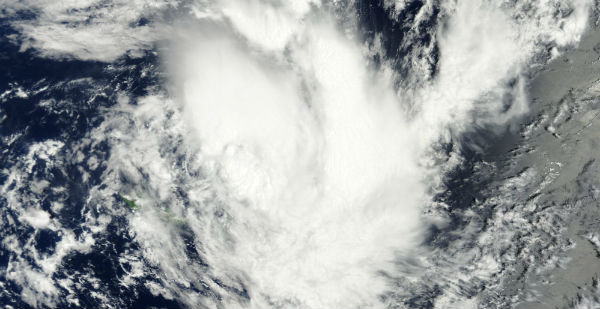
  • Tropical Cyclone Garry formed in South Pacific

    The tenth tropical cyclone in the Southern Pacific Ocean season gained its strength north of Samoa in South Pacific Ocean. This tropical disturbance was named Garry (TC 10P) on January 22, 2013 as it was passing near Samoa. A gale warning remained  in effect for

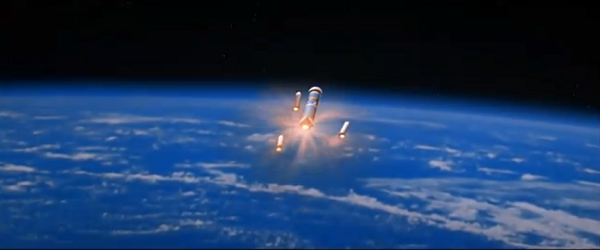
  • How to get to Mars?

    Spirit, MER-A (Mars Exploration Rover – A), is a robotic rover on Mars, active from 2004 to 2010. It was one of two rovers of NASA’s ongoing Mars Exploration Rover Mission. It landed successfully on Mars at 04:35 Ground UTC on January 4, 2004, three weeks before its

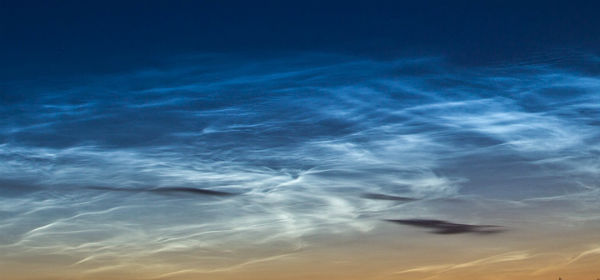
  • Polar mesospheric clouds over South Pacific Ocean

    Polar mesospheric clouds—also known as noctilucent or “night shining” clouds—form between 76 to 85 kilometers (47 to 53 miles) above the Earth’s surface, near the boundary of the mesosphere and thermosphere, a region known as the…

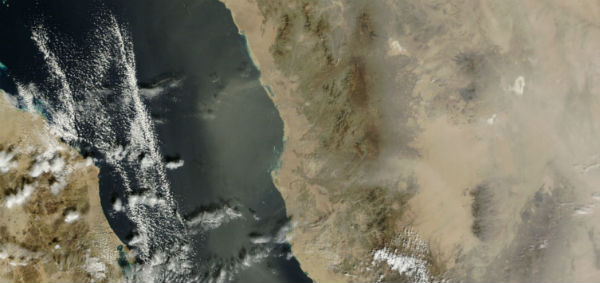
  • Dust over Saudi Arabia and Red Sea

    Dust can be seen in the air over Saudi Arabia and blowing westward over the Red Sea. Unsettled weather is typical in Saudi Arabia in winter, with strong winds a frequent occurrence. The Rub’ al Khali desert, the world’s largest sand sea, covers large parts of the

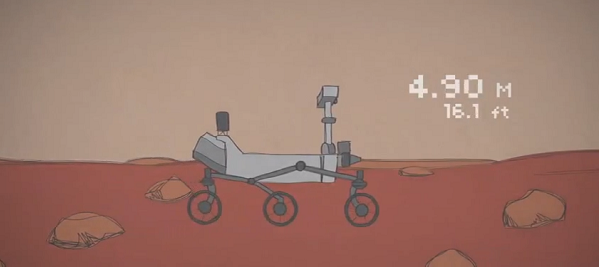
  • Mars in a minute: How do rovers drive on Mars?

    The “keys” to NASA’s Mars rovers are in the capable hands of the official rover drivers. Learn how they operate the vehicles from millions of miles away in this 60-second video from NASA’s Jet Propulsion Laboratory.Source: