• New research reveals a global ocean beneath Saturn’s moon Enceladus

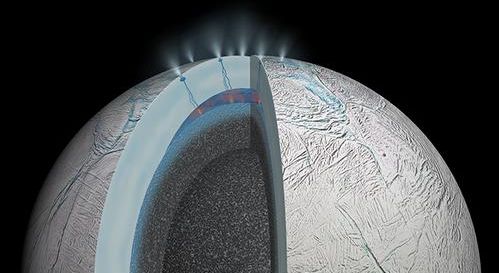
    Scientists have discovered a global ocean underneath the icy crust of Enceladus, the geologically active Saturn's moon. The discovery has been made by using data from NASA's Cassini mission, NASA announced on September 15, 2015.Researchers have come to this conc
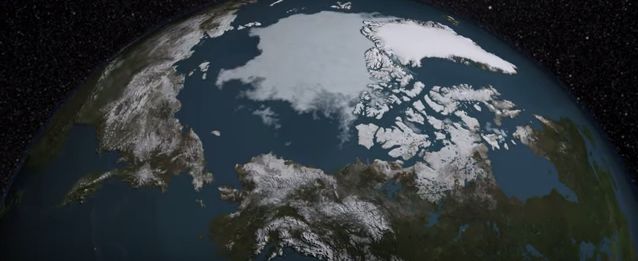
  • 2015 Arctic sea ice minimum extent fourth lowest on record

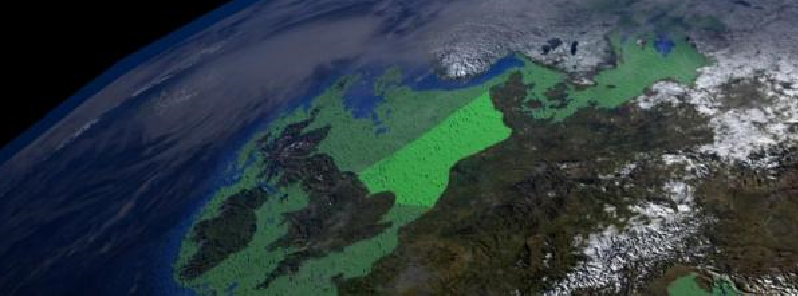
    Satellite data show the Arctic sea ice minimum extent of the year 2015 is the fourth lowest recorded since the beginning of the observations from space.Researchers from NASA and the National Snow and Ice Data Center (NSIDC) at the University of Colorado at Boulder have

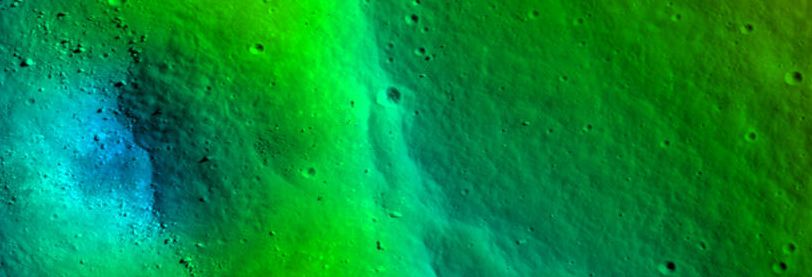
  • Earth’s gravity significantly impacts the Moon’s faults orientation

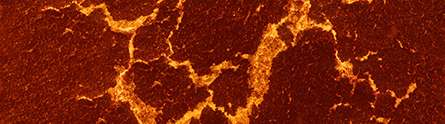
    New data obtained by NASA's Lunar Reconnaissance Orbiter (LRO) spacecraft show Earth's gravity has made a visible impact on the orientation of faults in the Moon's surface, NASA announced on September 15, 2015. LRO was launched on June 18, 2009 and has so fa

  • Sierra Nevada seasonal snowpack lowest in the last 500 years

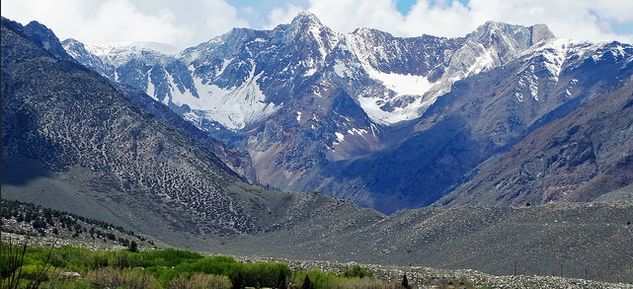
    A new study, published in Nature Climate Change on September 14, 2015, shows the spring amount of snow on the Sierra mountains has sunk to its lowest levels in the last 500 years. The current circumstances of exceptional drought across the state of California thus repre

  • New research shows builiding light objects is possible

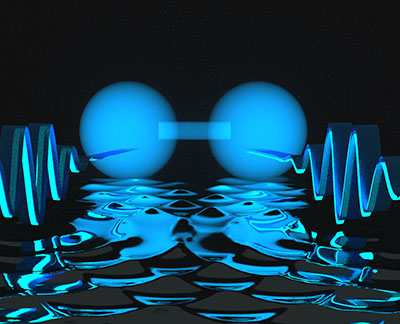
    A team of scientists including theoretical physicists from the National Institute of Standards and Technology (NIST) and the University of Maryland, have discovered that a molecule with its own force can be formed from weightless light particles. This discovery has take

  • First confirmed double meteorite crater discovered in Sweden

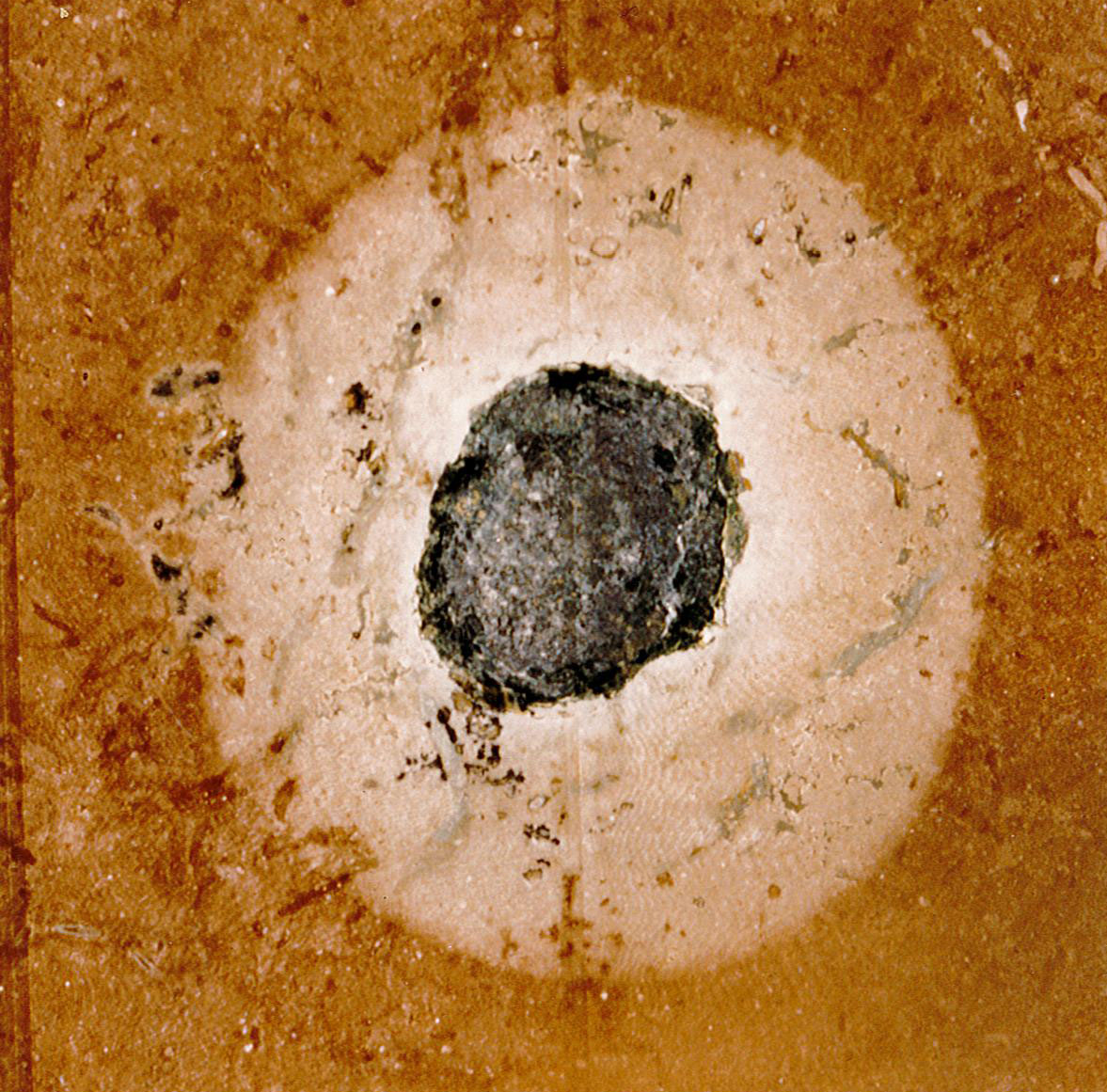
    Researchers at the University of Gothenburg, lead by Professor Erik Sturkell at the Department of Earth Sciences, have discovered two meteorite craters in Jämtland county, Sweden, from a twin strike that occurred about 460 million years ago. Erik Sturkell and his c

  • Bright spots on Ceres imaged in striking new detail

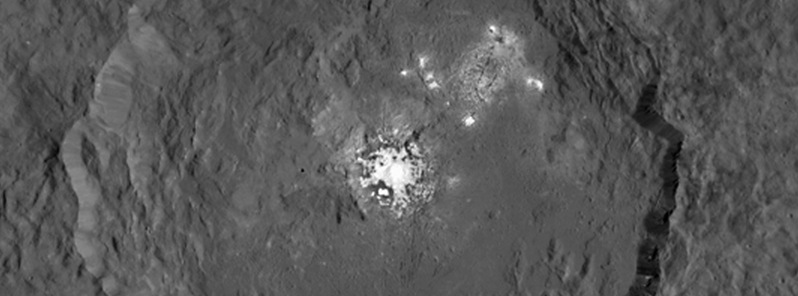
    NASA's Dawn spacecraft has provided new views of the dwarf planet Ceres, NASA's Jet Propulsion Laboratory (JPL) announced on September 9, 2015. The brightest spots and the closest-yet view of Occator crater has given scientists a deeper insight into these unusua

  • A cause for plate collision discovered

    An international team of 30 scientists has traveled to the Philippine Sea to drill into the crust of the Izu–Bonin-Mariana (IBM) arc and discover a cause for the plate collision. The results of their research were published in Nature Geoscience Journal on August 2