
Weeks of heavy rains leave more than 30 fatalities in South Africa

Image credit: chave weather/YouTube
Heavy rains affecting parts of South Africa since January 23 when Tropical Cyclone "Eloise" swept over the region has claimed more than 30 lives in the provinces of Mpumalanga, Northern Cape, Limpopo, and KwaZulu-Natal.
Eloise made landfall north of Beira, Mozambique, on Saturday, January 23, but heavy rains continued through the rest of the month and into February, leading to further flooding. Water levels on dams also continued to rise, prompting authorities to start releasing water from the Vaal Dam as of February 11.
Among the worst-hit provinces was Mpumalanga, where 10 fatalities have been confirmed by the government.
The victims died during the heavy rains that followed Eloise, which reached the province by the end of January. Most of the casualties were a result of drowning in flooded rivers.
Roads and bridges were washed away in Mbombela, Bushbuckridge, and Nkomazi, among other areas, according to the province’s Cooperative Governance Department (COGTA).
Downpours continued in the province in recent days, with Komatidraai recording about 130 mm (5 inches) of rain in a 24 hour period to February 13.

#HeavyRains Mpumalanga Premier Refilwe Mtshweni-Tsipane says infrastructural damage caused by heavy rainfall and floods in several parts of the province can be estimated at R425 million. RM
Picture cred : supplied pic.twitter.com/GCdnXHFB2y
— CapricornFM News (@CapricornFMNews) February 9, 2021
Taking my hat off for the Northern Cape Provincial Government. As it continues to ensure that relief reaches communities, who have been affected by the floods in our Province. More especially in the JTG District where communities have been harshly affected.@NCProvGov
Bravo!|` pic.twitter.com/Vtc6oHHF5S— Bhuti Hams|` (@ZenzileSontlaba) February 9, 2021
Heavy rains brought by Eloise reached as far as Northern Cape from around January 27.
According to the provincial government, about three people lost their lives in the storm's onslaught. Flooding ravaged farms, damaged hundreds of homes, and washed away roads, particularly in the John Taolo Gaetsewe District.
As of February 12, many roads were still flooded, prompting authorities to deliver relief supplies via helicopter. About 600 million ZAR or 40 million dollars is needed for repairs of infrastructure, humanitarian relief, as well as homes and agricultural aid, the government said.
In Limpopo, at least 10 fatalities were reported by the provincial government, while seven others remain missing. Search and rescue operations are ongoing, involving the South African Police Service
In KwaZulu-Natal, eight people lost their lives as a result of severe weather following the landfall of Eloise. Dozens of buildings were damaged, affecting around 400 people.
In a short period of time, more heavy rainfall caused flooding in other parts of the province from February 9. Areas of Ladysmith were particularly affected after the Klip River overflowed. As much as 87 mm (3.4 inches) fell in a 24 hour period to February 9.
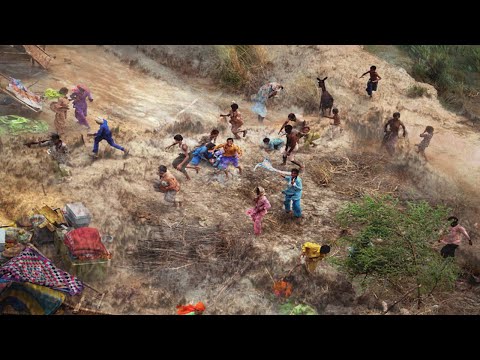
Storm #Eloise made landfall in Mozambique. Initial indication suggests Buzi & Nhamatanda of Sofala province with thousands of hectares flooded. #RC teams on the ground doing assesments. South Africa & Zimbabwe predicted to be affected in coming hours. @IFRCAfrica pic.twitter.com/aVfobibJ9Z
— Dr Michael Charles (@DekunleCharles) January 23, 2021
#FloodPreparednessPlan The Department of Human Settlements, Water and Sanitation says it’s on standby to implement a flood preparedness plan in areas affected by floods in Limpopo. IMS pic.twitter.com/jISjRAl4nU
— CapricornFM News (@CapricornFMNews) February 12, 2021

Published in the last 24 hours
- A meteorite blew a crater beside a village near Lake Titicaca in 2007, and dozens of villagers who went to see it got headaches and nausea, though tests found nothing the rock had added to the water Epicenter
- The people who pay closest attention to the weather are the ones storms have already cost the most, a study of 946 students found, with one damaging storm making little difference to how much attention a student paid, but two or more making a clear one Epicenter
- The sea is falling in Juneau, Alaska, because land freed from melted glaciers is rising about 0.6 inches a year Epicenter
- A dam above Los Angeles collapsed just before midnight on March 12, 1928, and the flood killed more than 400 people, hours after the engineer who built it had spent two hours looking at a new leak and decided there was no danger Epicenter
