
Severe flash floods sweep away cars, rain described as heaviest in memory, Cyprus

Featured image: Flash floods in Karakum, Cyprus on December 5, 2018. Credit: Girne Postasi
Heavy rain that started December 3, 2018, caused severe flash floods across Cyprus, claiming lives of at least 4 people. Locals described the rain as the heaviest in memory. The storm, named Gaia by local meteorologists, has the potential to drop more than 50% of normal rain for the month of December before it's over.
Flash flooding from an isolated downpour is not uncommon on the island, but sustained floods are rare, Reuters reports.
Rivers burst their banks, causing damage in capital Nicosia and forcing the partial closure of a motorway linking the city to Kyrenia, a historic harbor town on the northern coast.
Many schools were shut and damage was reported to the road network.
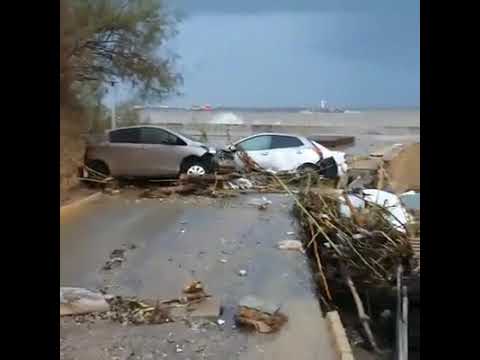
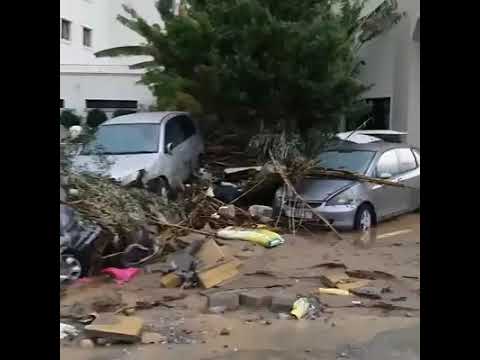
According to local media reports, at least 4 people died when their car was swept away on December 5.
There are no other reports of casualties, but material damage is very high and the event is still not over.
Meteoalarm maintains Yellow severe weather alert for both December 6 and 7.

Teo Blašković founded The Watchers in 2011 and edited it until 2026, covering seismic and volcanic activity, extreme weather, space weather and near-Earth objects. Articles on this page are his archive.
Published in the last 24 hours
- The storms drenching California this week are fed by a river in the sky, a band of water vapor that can carry up to 15 times the flow of the Mississippi River, and this winter’s near-record El Niño could keep aiming more of them at the West Coast
- Atmospheric river brings moderate risk of heavy rain, mountain snow and high winds to northern California and southwest Oregon on November 24-25
- Malawi continues Bris AI weather forecasting tests ahead of operational integration Epicenter
- Right about now, Voyager 1 is crossing a line no human-made object has ever reached, a full light-day from Earth, which means a message NASA sends tonight won't arrive until tomorrow night, and the spacecraft's answer won't make it home until the night after that
