Palisades Tahoe, California sees rare snow in August, causing the closure of Highway 89
Palisades Tahoe Resort in California, USA, experienced a rare August snowfall for the first time in 20 years on Saturday, August 24, 2024.


Palisades Tahoe Resort in California, USA, experienced a rare August snowfall for the first time in 20 years on Saturday, August 24, 2024.
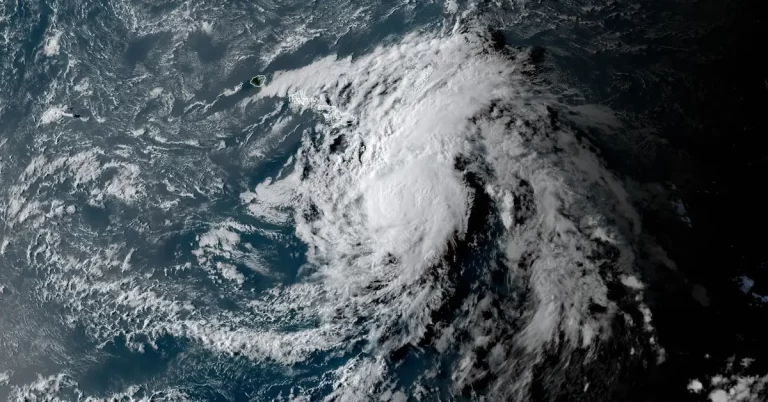
Tropical Storm “Hone” formed in the Pacific Ocean on Thursday, August 22, 2024, as the 8th named storm of the 2024 Pacific hurricane season. The system is moving W just south of Hawaii, bringing strong winds and heavy rains.

A bright fireball streaked through the night sky over Michigan at around 04:15 UTC on August 23, 2024 (23:15 LT, August 22), and was witnessed by residents across the states of Wisconsin, Illinois, Indiana, Ohio, Michigan, and New York, along with those in Ontario, Canada.

A bright daylight fireball streaked across the sky over Wisconsin at around 11:13 UTC (06:13 CDT) on August 23, 2024, capturing the attention of many people. The event took place some 10 hours after a very bright fireball exploded over Kentucky.
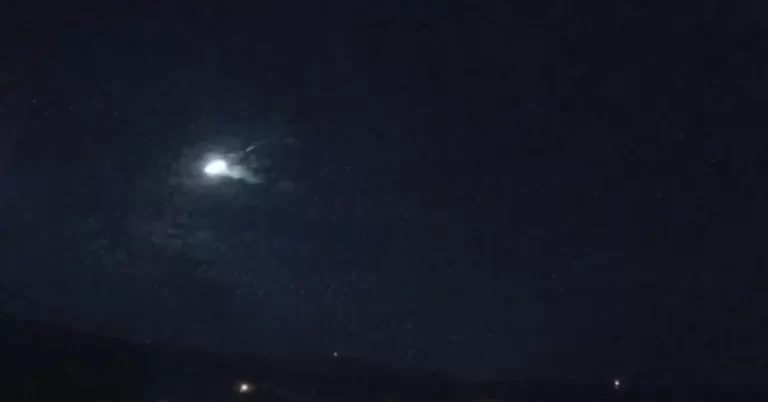
A very bright fireball streaked through the night sky over Kentucky at 01:43 UTC on Friday, August 23, 2024 (21:43 LT, August 22). The breakup unleashed an energy of about 10 tons of TNT, which generated a pressure wave that traveled to the ground.

Slow-moving thunderstorms produced extremely heavy rainfall in parts of southwestern Connecticut on August 18, 2024, particularly affecting Fairfield and New Haven counties. The historic downpour caused widespread flash flooding, with Monroe experiencing a rare one in a 200-year event.
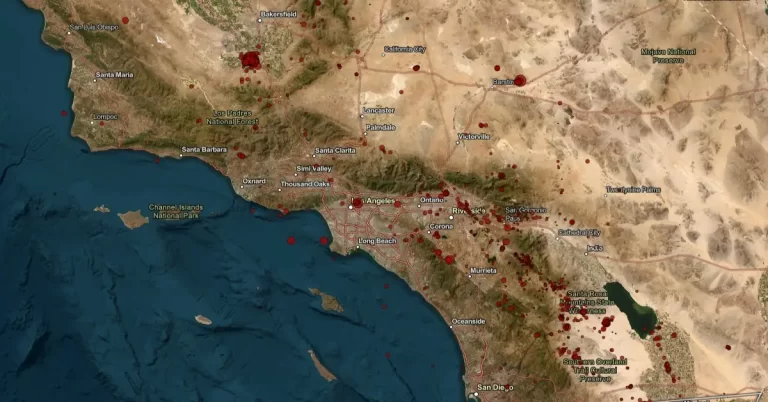
Since 1932, Southern California has averaged 10 – 12 M4 earthquakes annually. However, in the last 20 years, this number dropped to around 5 per year. In 2024, with 13 M4s already recorded, the region is seeing a return to its long-term average. Southern California is experiencing a significant increase in seismic activity this year,…
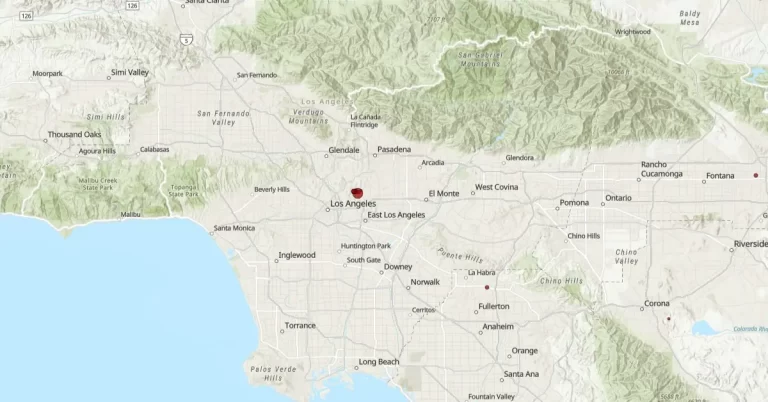
A shallow earthquake registered by the USGS as M4.4 hit near Highland Park and South Pasadena, Los Angeles, California at 19:20 UTC (12:20 local time) on August 12, 2024. The agency is reporting a depth of 11 km (6.8 miles).

An EF-3 tornado spawned by Tropical Storm “Debby” tore through Wilson County, North Carolina, on August 8, 2024, causing widespread destruction, including the collapse of a house that claimed one life, ripped off the roof of a middle school, and destroyed a 130-year-old church.
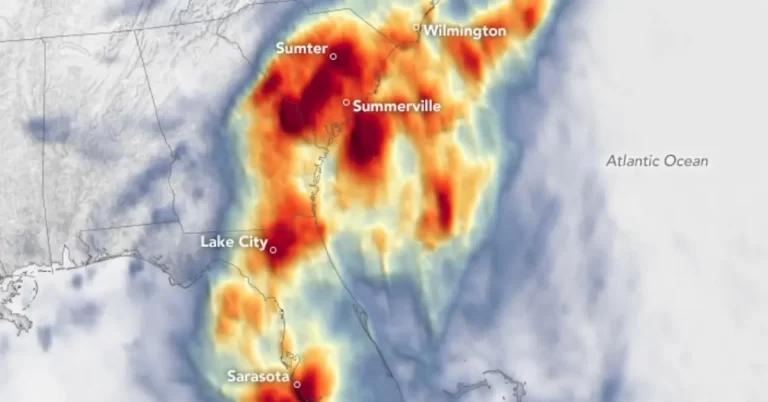
Category 1 Hurricane “Debby” made landfall near Steinhatchee in Florida’s Big Bend at 11:00 UTC on Monday, August 5, 2024, and continued moving inland, dropping heavy rains. As Debby moved offshore and then back inland, it continued to gather moisture, leading to a second landfall northeast of Charleston, South Carolina, on August 8.
