• Increased solar activity – glancing blow possible on January 19

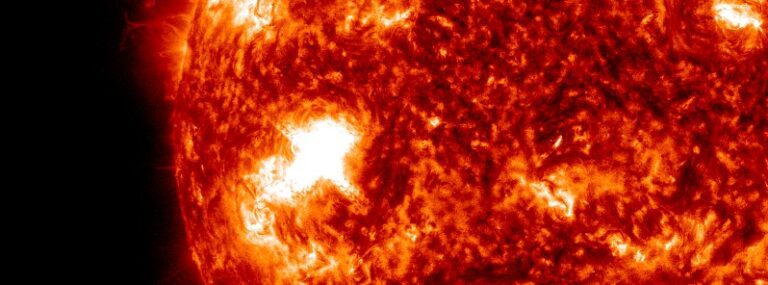
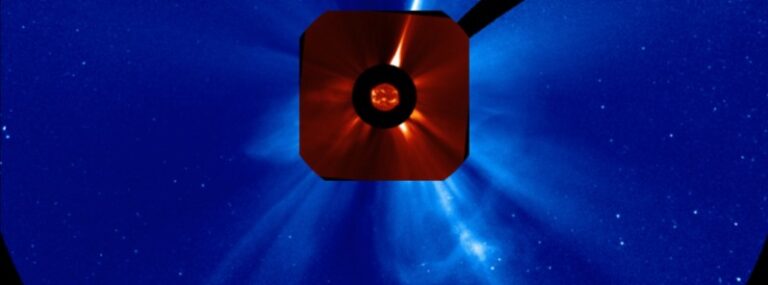
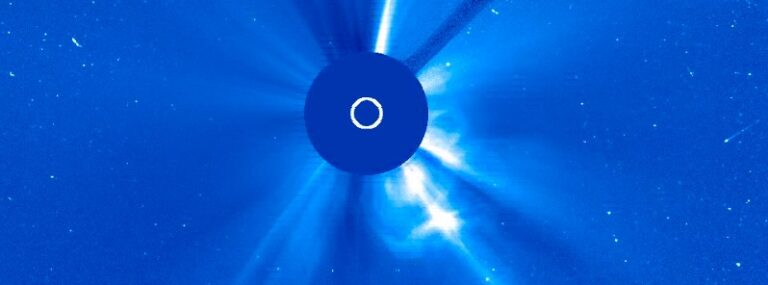
    Solar activity reached high levels in the past 24 hours, with the strongest event being an M6.0 flare from Region 3191. This event was accompanied by a Type II radio sweep and a Coronal Mass Ejection (CME) signature, however, analysis and modeling indicate that no Earth-directed component was produced. A CME was also observed off the southwest limb at 22:00 UTC on January 14, with analysis and modeling suggesting the possibility of a glancing blow on January 19.

  • Increased solar activity, more X-class solar flares possible

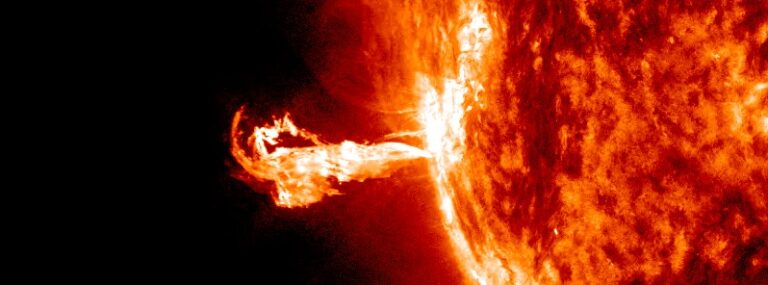
    Solar activity increased over the past 4 days, with numerous C- and M-class solar flares and one X-class flare. With now geoeffective AR 3182, the source of the X1.2 solar flare on January 6, developing unstable ‘beta-gamma-delta’ magnetic configuration, the chances for more X-class solar flares have increased to 30%.

  • Multiple M-class solar flares erupt from AR 3165

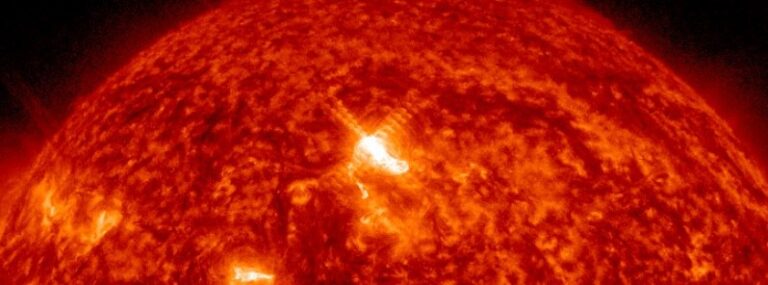
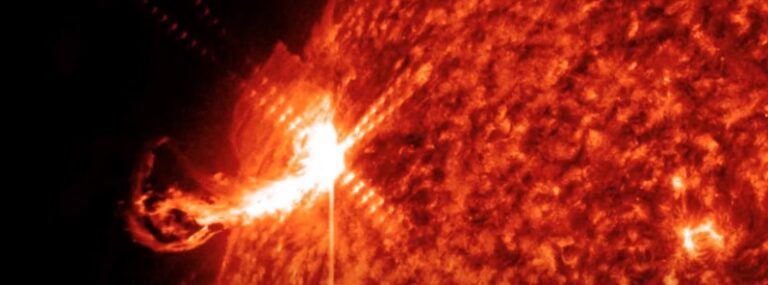
    Multiple M- and C-class solar flares were detected on December 14, 2022, with the strongest being M6.2 at 14:42 UTC. While several coronal mass ejections (CMEs) were produced, none of them appears to be Earth-directed.

  • Two M1.2 solar flares erupt from Region 3141

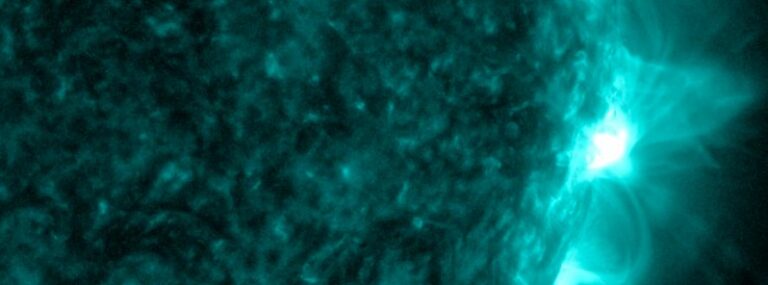
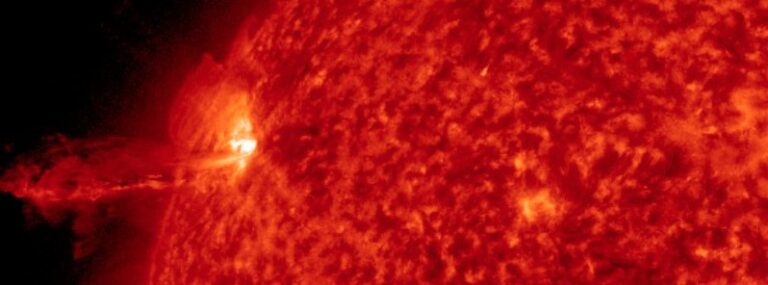
    Two M1.2 solar flares erupted from Active Region 3141 (Beta-Gamma-Delta) on November 11, 2022 – the first at 07:14 and the second at 11:40 UTC. The region is located at the center of the solar disk — coronal mass ejections (CMEs) produced by it are likely to be Earth-directed.