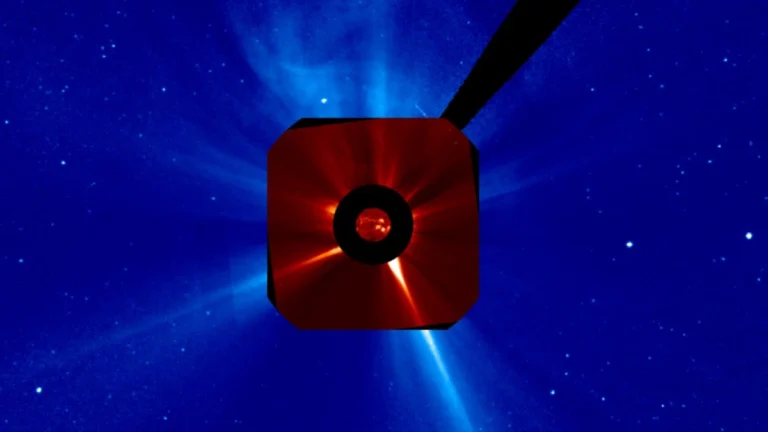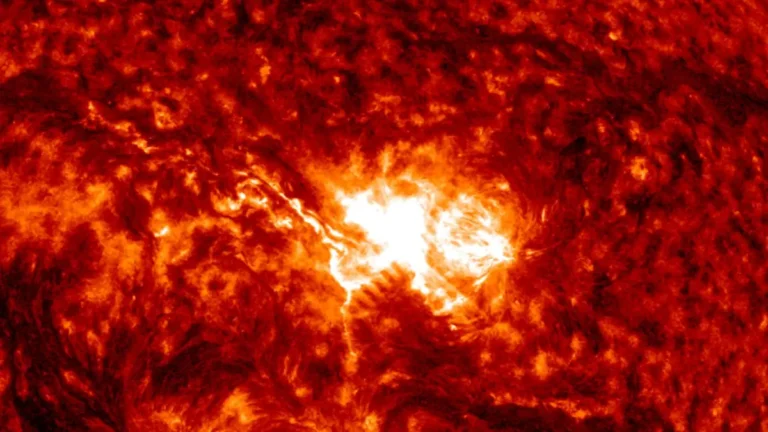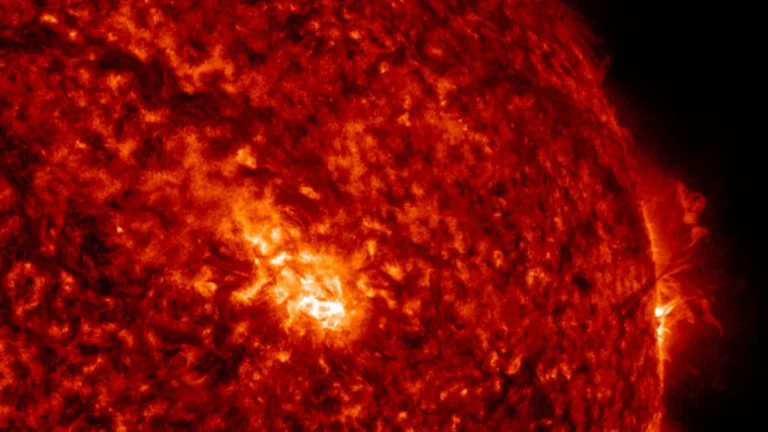
• September 28 CME expected to deliver glancing blow to Earth on October 2, geomagnetic storm forecast

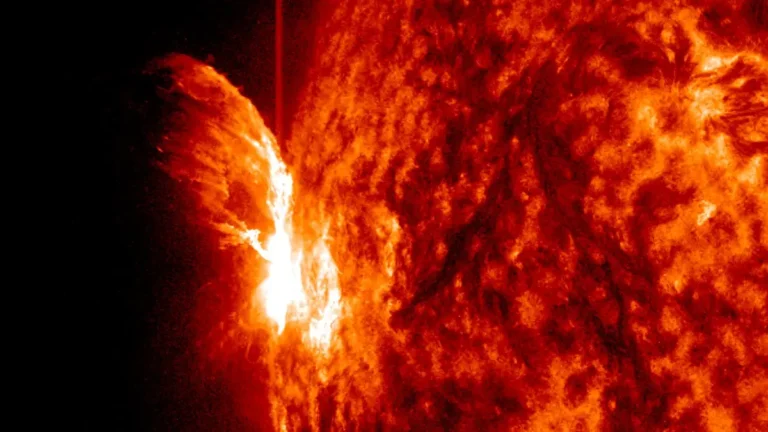
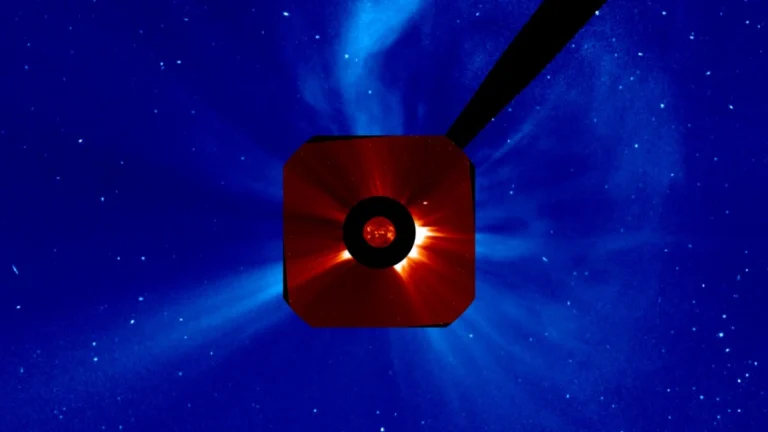
    NOAA’s Space Weather Prediction Center (SWPC) issued a G1 – Minor geomagnetic storm watch for October 2, 2026, following a large filament eruption and associated coronal mass ejection (CME) on September 28. SWPC expects glancing effects from the CME, while NASA models place its arrival near the start of October 2 with an uncertainty of several hours.
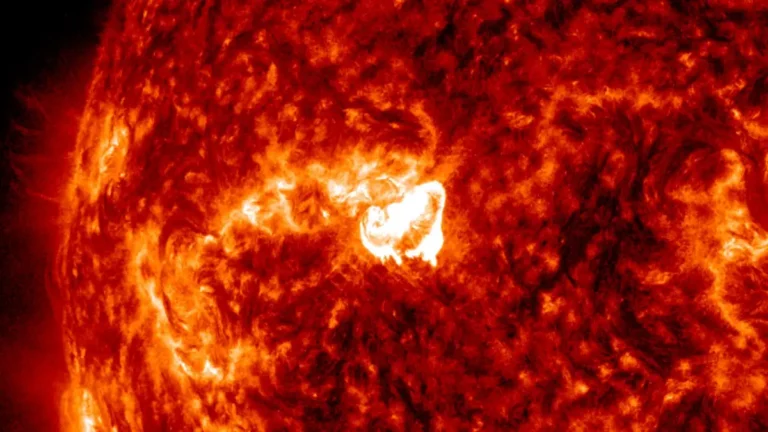
  • Multiple CMEs forecast to impact Earth on September 8 and 9, G1 geomagnetic storm watch issued

    NOAA’s Space Weather Prediction Center is forecasting the possible combined arrival of several coronal mass ejections (CMEs) from early September 8 into September 9, with isolated G1 – Minor geomagnetic storm periods likely and a slight chance of G2 – Moderate conditions. Confidence in the timing and magnitude of the arrivals remains low.

  • M6.9 solar flare produces Earth-directed CME, G2 geomagnetic storm watch issued for August 28

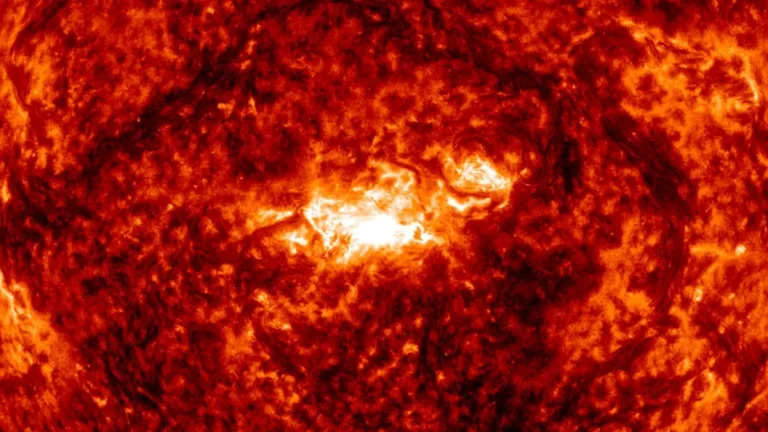
    A strong M6.9 solar flare erupted from Active Region 4513 near the center of the visible solar disk at 10:02 UTC on August 25, 2026, causing an R2 – Moderate radio blackout. NOAA’s Space Weather Prediction Center (SWPC) said the associated CME and a second CME linked to a C4.7 flare and filament eruption later that day contained Earth-directed components, prompting a G2 – Moderate Geomagnetic Storm Watch for August 28. A G1 – Minor watch is in effect for August 27 due to an approaching coronal-hole high-speed stream.

  • Long-duration M1.9 flare produces Earth-directed CME, G1-G2 geomagnetic storm conditions forecast for August 2

    A long-duration M1.9 flare from Active Region 4492 coincided with a filament eruption near N20W67, producing an eruptive sequence associated with an Earth-directed partial-halo CME and an S1 – Minor solar radiation storm on July 30, 2026. WSA-Enlil model runs placed a possible CME arrival at Earth early on August 2, when NOAA’s Space Weather Prediction Center expects G1-G2 (Minor-Moderate) geomagnetic storm conditions.

  • X1.3 solar flare erupts from Region 4482 on SE limb

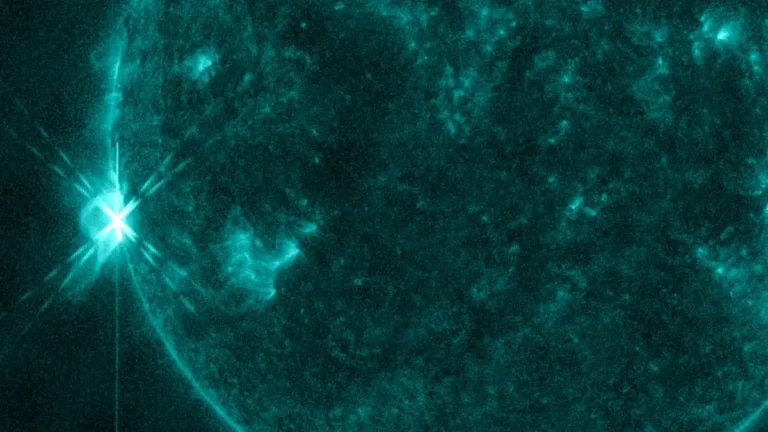
    A major solar flare measuring X1.3 erupted from newly numbered Active Region 4482 on the southeast limb at 20:41 UTC on July 4, 2026. A coronal mass ejection (CME) was produced, but due to the location of the source region, an Earth-directed component is unlikely.