How humans adapted to increased cosmic radiation during geomagnetic excursion 41 000 years ago
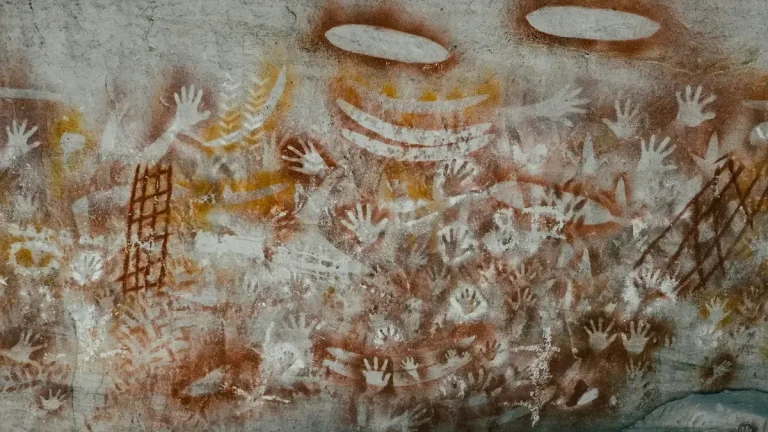
Around 41 000 years ago, Earth’s magnetic field weakened by up to 90 percent during a geomagnetic excursion known as the Laschamps event. This rare event reduced the planet’s natural shielding against solar and cosmic radiation, exposing the surface to increased ultraviolet energy. A new study combining space weather modeling and archaeological evidence shows that early humans adapted to these extreme conditions through the use of ochre, clothing, and caves, while Neanderthals may have lacked such protective strategies, which may have contributed to their extinction.