• El Niño forecast in 2026 as La Niña weakens and Pacific subsurface heat increases

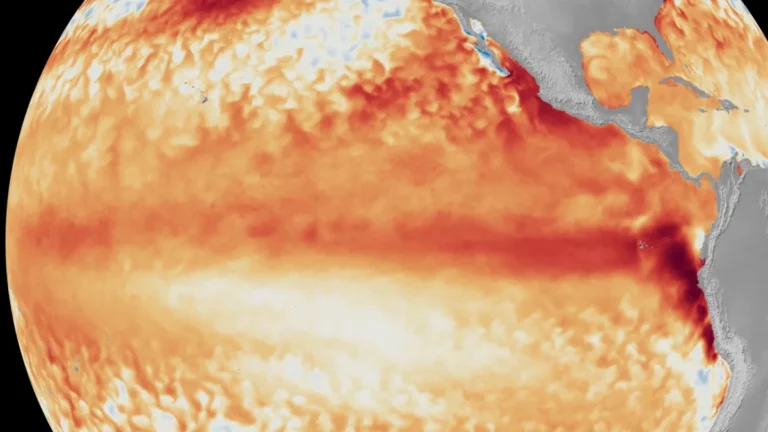
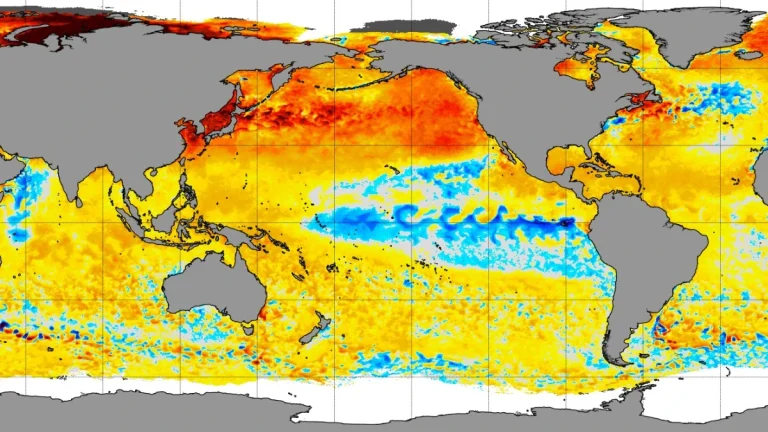
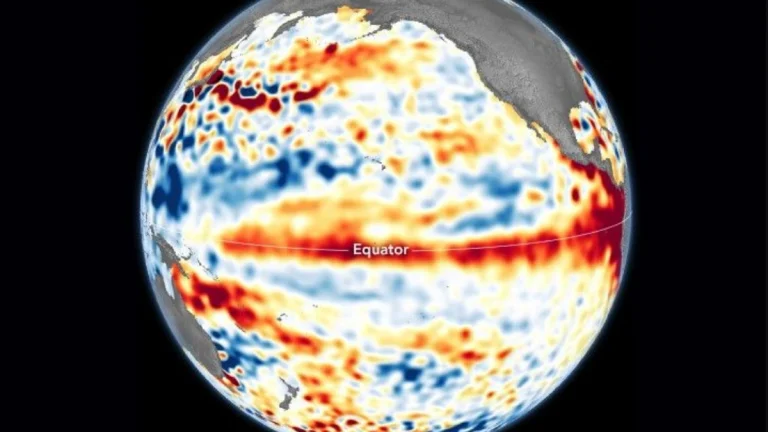
    La Niña conditions persisted across the equatorial Pacific Ocean during February 2026, but forecasters expect the pattern to transition to ENSO-neutral within the next month. The Climate Prediction Center said on March 12, 2026, that El Niño is likely to emerge during June–August 2026 with a probability of 62% and could persist through at least the end of the year.

  • El Niño chances rise as La Niña fades, WMO says neutral phase to persist until mid-2026

    The World Meteorological Organization (WMO) reported on March 3, 2026, that the recent weak La Niña is fading, with ENSO-neutral conditions expected to prevail until at least July 2026. Forecast models show about a 40% chance of El Niño emerging by mid-year, although confidence remains limited because of the boreal-spring predictability barrier.

  • La Niña continues as NOAA forecasts transition to ENSO-neutral in February-April 2026

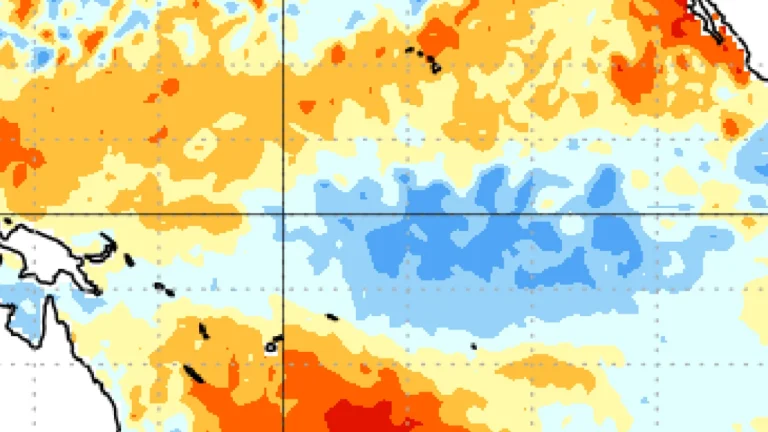
    La Niña persisted across the equatorial Pacific in January 2026, with below-average sea surface temperatures and atmospheric patterns remaining consistent with the phase, according to the Climate Prediction Center Diagnostic Discussion issued on February 12, 2026. A transition to ENSO-neutral is expected during February–April 2026 with a 60% probability, while ENSO-neutral conditions are likely to continue through the Northern Hemisphere summer.

  • Study shows how Earth-Sun distance dramatically influences annual weather cycles in the equatorial Pacific in a 22 000-year cycle

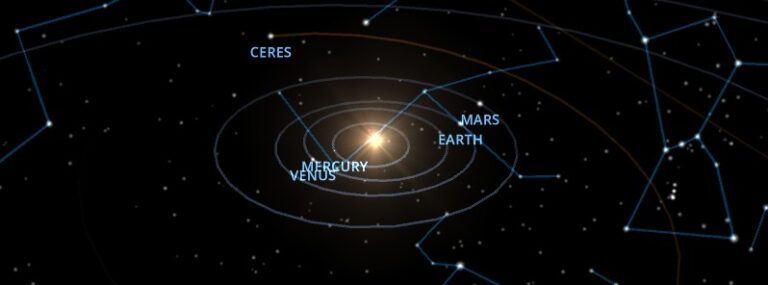
    A new research led by the University of California, Berkeley, demonstrates that one driver of annual weather cycles in the eastern equatorial Pacific Ocean—in particular, a cold tongue of surface waters stretching westward along the equator from the coast of South America—has gone unrecognized: the changing distance between Earth and the Sun.

  • The 2015/16 El Niño continues its steady decline

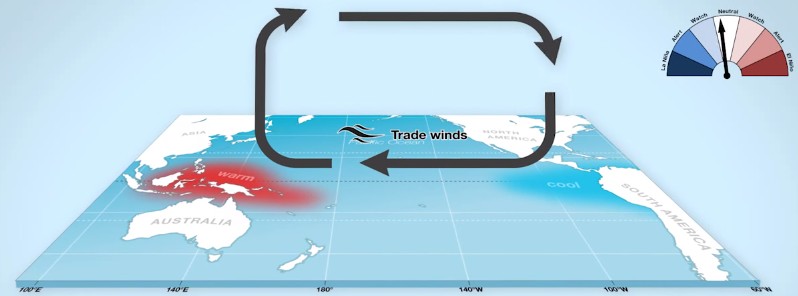
    The 2015–16 El Niño continues its slow and steady decline, the Australian Bureau of Meteorology (BOM) reports in their latest ENSO Wrap-Up. The tropical Pacific Ocean has cooled further over the past fortnight, and trade winds are near normal….

  • Sea surface temperatures at the start of hurricane season

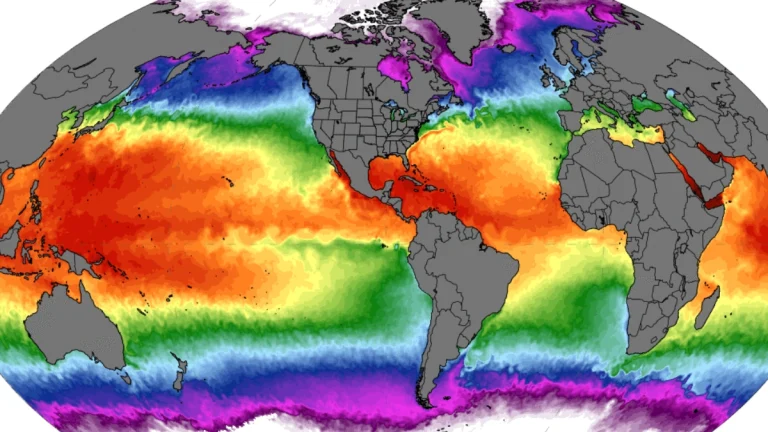
    The official start of hurricane season is June 1, though four named tropical storms in May – Alberto and Beryl in the Atlantic, Aletta and Bud in the Pacific – came little earlier. These early home-grown storms are not necessarily a predictor of the August to October

  • El Nino will get more extreme

    El Niño and La Niña are the warm and cold phases, respectively, of the pattern known as the El Niño Southern Oscillation (ENSO) in the eastern half of the tropical Pacific. Forecasting how this pattern will behave a few months in advance is now…