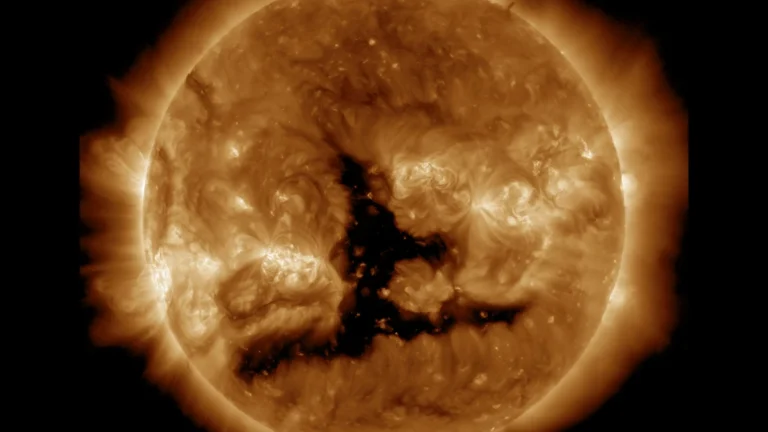
• Northern lights are possible at high latitudes on November 17 and 18 as NOAA forecasts minor (G1) geomagnetic storms from coronal hole wind

    A high-speed solar wind stream from a large negative-polarity coronal hole pushed the planetary Kp index to 5.33, G1 – Minor storm levels, during 18:00–21:00 UTC on November 7, 2026. NOAA SWPC forecasts G1 conditions again on November 17–18, November 27–28 and December 4–5.
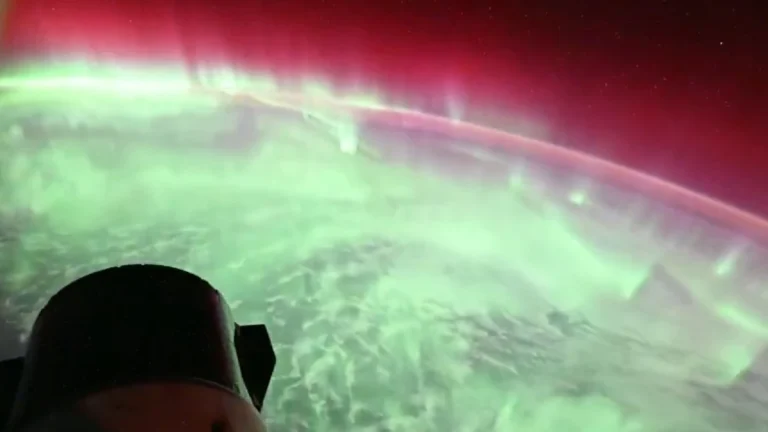
  • Positive polarity CH HSS sparks G3 – Strong geomagnetic storm

    A G3 (Strong) geomagnetic storm is in progress on October 2, 2025, driven by a positive-polarity coronal hole high-speed stream (CH HSS). The U.S. Space Weather Prediction Center (SWPC) issued an active warning valid until 12:00 UTC, with aurora sightings possible as far south as Pennsylvania, Iowa, and Oregon.

  • Earth under the influence of high speed solar wind stream

    Earth is currently under the influence of a high speed solar wind stream originating in large southern coronal hole. Although the bulk of this stream is headed south of our planet, we have already experienced severe geomagnetic storm periods at high latitudes.Geomagneti

  • Coronal Hole directly facing Earth, filament eruption

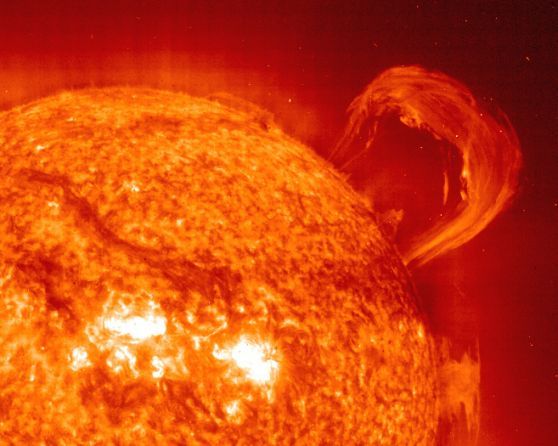
    Aside from a nice filament eruption and a Coronal Hole directly facing Earth, thus allowing solar material to freely rush in our direction, solar activity has been at low levels during last 30 hours.It is expected to remain low with a chance for M-cl

  • Incoming Coronal Mass Ejection (CME)

    During the early hours of July 9th, a Coronal Mass Ejection (CME) billowed away from new sunspot 1247. A preliminary analysis of data from NASA's twin STEREO-A and -B spacecraft suggests that the flank of the CME could hit Earth's magnetic field sometime on July