• First interstellar asteroid population discovered

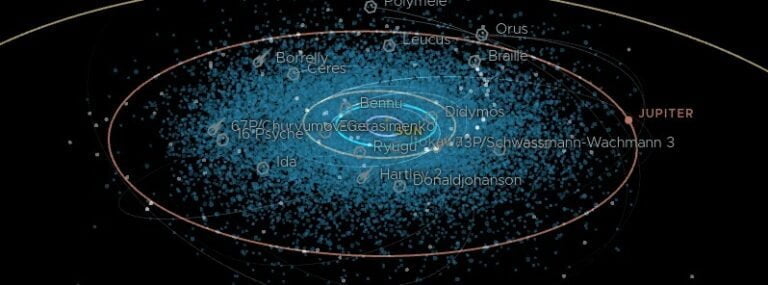
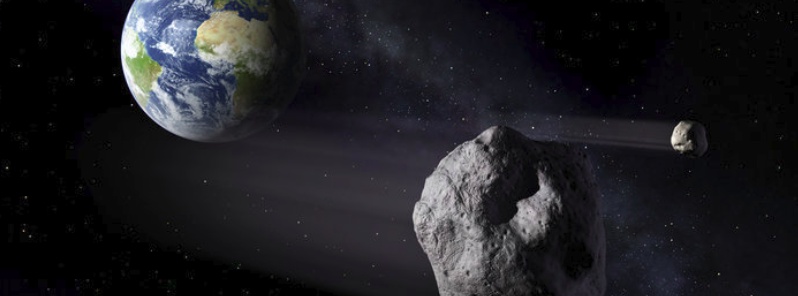
    A new study has identified the first known permanent set of asteroids originating from outside our solar system. These are believed to have been captured from other stars billions of years ago, orbiting the Sun in disguise ever since. The findings came more than two…

  • Less large near-Earth asteroids than previously thought

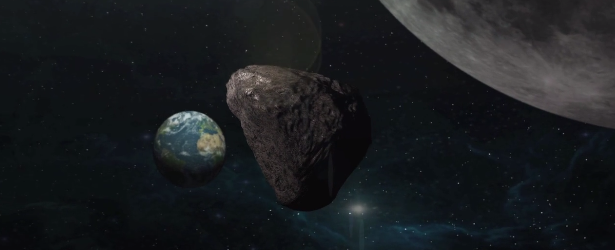
    Fewer large near-Earth asteroids (NEAs) remain to be discovered than astronomers thought, according to a new analysis by planetary scientist Alan W. Harris of MoreData! in La Canada, California. Harris is presenting his results this week at the 49th annual meeting…

  • Asteroid impact exercise – preparing for an asteroid impact

    In ESA's first-ever asteroid impact exercise, the agency and European disaster response offices recently rehearsed how to react if a threatening space rock is ever discovered to be on a collision course with Earth. They went through a countdown to an impact, practic

  • Asteroid diversity points to a "snow globe" solar system

    Our solar system seems like a neat and orderly place, with small, rocky worlds near the Sun and big, gaseous worlds farther out, all eight planets following orbital paths unchanged since they formed.

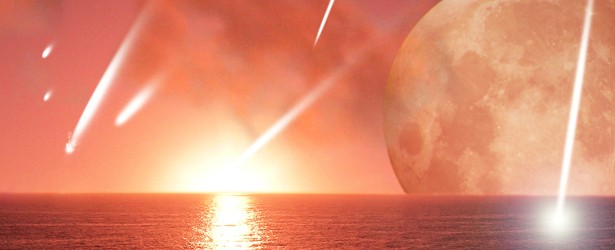
    However, the true history of the solar system is more riotous.

  • Mining asteroids for precious minerals and volatiles

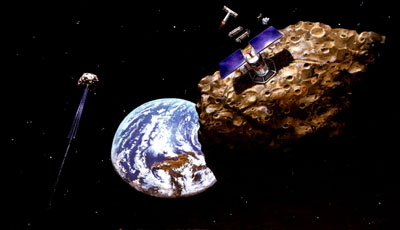
    As speculations claim essential resources for modern industry will extinct in upcoming years, ideas of mining the asteroids to extract minerals and bring them to Earth promise to cope with such inevitable problem. Scientists claim that minerals

  • Two planets found sharing one orbit!

    Buried in the flood of data from the Kepler telescope is a planetary system unlike any seen before. Two of its apparent planets share the same orbit around their star. If the discovery is confirmed, it would bolster a theory that Earth once shared its orbit with a