• Asteroid A11dc6D (2024 UQ) impacts Earth over eastern Pacific Ocean — 10th predicted Earth impactor on record

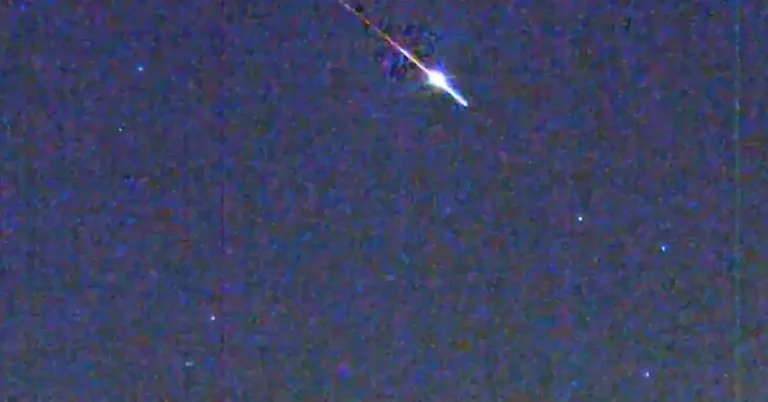
    A small asteroid, currently designated A11dc6D, impacted Earth’s atmosphere over the eastern Pacific Ocean at 10:54 UTC on October 22, 2024. This marks the 10th recorded instance of an asteroid being detected prior to impacting Earth, and the third occurrence of such an event this year. The asteroid was later officially named 2024 UQ.

  • Lake Erie fireball leaves glowing trail over Ohio, U.S.

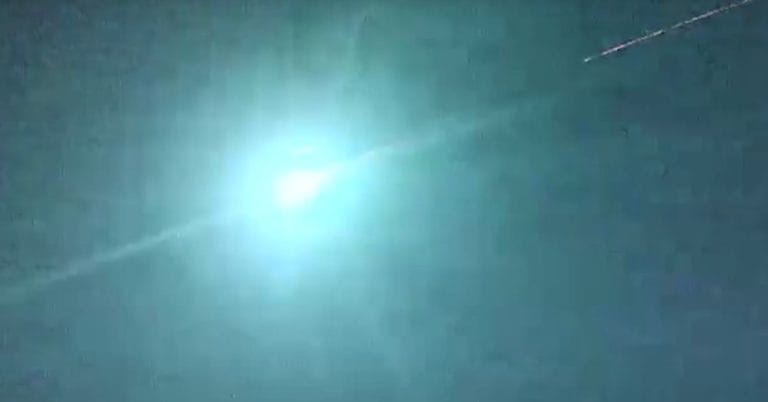
    A bright fireball streaked across the twilight sky over Lake Erie at 23:00 UTC (19:00 LT) on October 21, 2024. The event lasted several seconds before the object fragmented and disintegrated, leaving a glowing vapor trail near Ashtabula, Ohio.

  • Asteroid 2024 TH11 flew past Earth at 0.08 LD

    A newly discovered asteroid designated 2024 TH11 flew past Earth at a distance of 0.08 LD / 0.00019 AU (29 838 km / 18 540 miles) from the center of our planet at 09:18 UTC on Thursday, October 10, 2024.

  • Unexpected size changes observed in Jupiter’s Great Red Spot

    Astronomers have discovered that Jupiter’s Great Red Spot (GRS), the largest storm in the solar system, is undergoing a surprising oscillation in shape. Using data from the Hubble Space Telescope collected over 90 days, researchers observed fluctuations in the storm’s size, shape, and speed.

  • Fireball over Andalucia and Murcia, Spain

    A bright fireball was observed over Spain’s eastern regions of Andalusia and Murcia at approximately 03:36 UTC on October 6, 2024, featuring a nice final intense flash (fulguration) before disintegrating.

  • Comet Tsuchinshan-ATLAS enters LASCO C3 field of view, first full-resolution science data from STEREO shows comet is very bright

    Comet C/2023 A3 (Tsuchinshan–ATLAS), discovered in January 2023 by the Tsuchinshan Observatory and the ATLAS project, reemerged from behind the Sun in September and garnered attention from astronomers across the world due to its rapid brightening. On October 7, 2024, the comet entered the LASCO C3 field of view, beginning a series of rare observations accessible to more than just astronomers with specialized equipment.