• Night sky guide for July 2016

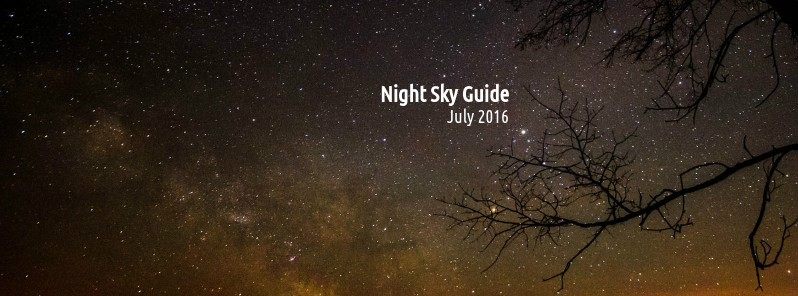
    July brings two meteor showers under relatively dark skies. Alpha Capricornids will reach their peak on July 26 with the maximum rate of around 5 per hour. A few days later, on July 29, the Delta Aquarid meteor shower will peak with up to 20 meteors per hour. The…

  • New infrared images of Jupiter

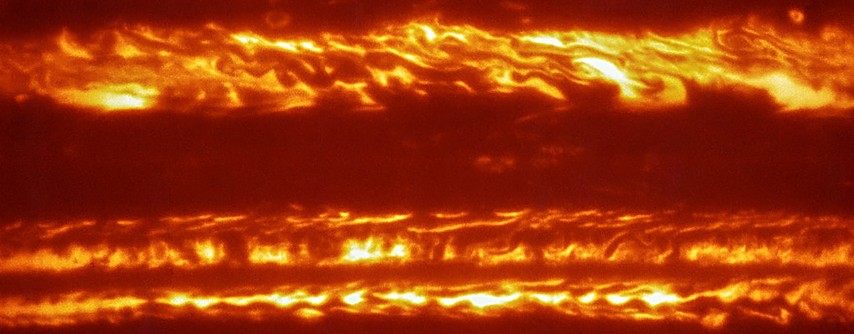
    Astronomers have used ESO’s Very Large Telescope to obtain spectacular new infrared images of Jupiter. They are part of a campaign to create high-resolution maps of the giant planet. A team led by Leigh Fletcher of the University of Leicester in the United…

  • Pieces of opal discovered in a meteorite found in Antarctica

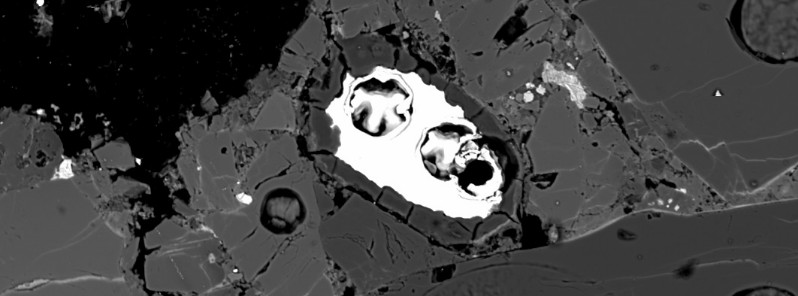
    Pieces of opal have been discovered in a meteorite found in Antarctica, a team of planetary scientists, led by Professor Hilary Downes of Birkbeck College London announced, at the National Astronomy Meeting in Nottingham on June 27, 2016. The discovery demonstrates…

  • Meteorite hits a house in Thailand

    According to the Bangkok Post, a mysterious rock, believed to be a meteorite, crashed through the roof of a house in Phitsanulok's Muang district on Tuesday, June 28, 2016. An initial investigation concluded the object could very likely be a meteorite. Nobody…

  • New dark spot discovered on Neptune

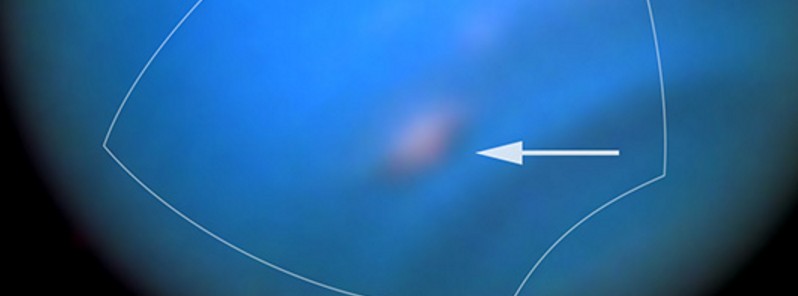
    A new dark spot, dark vortex in the atmosphere, has been discovered on Neptune and confirmed this month by the Hubble Space Telescope. Though similar features were seen during the Voyager 2 flyby of Neptune in 1989 and by the Hubble Space Telescope in 1994, this…

  • Juno’s arrival is getting closer

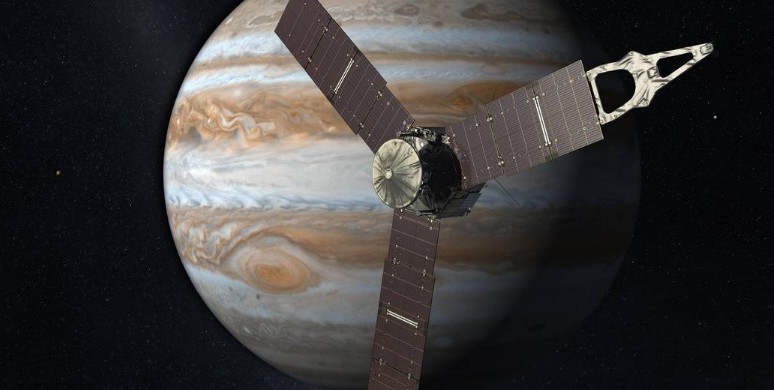
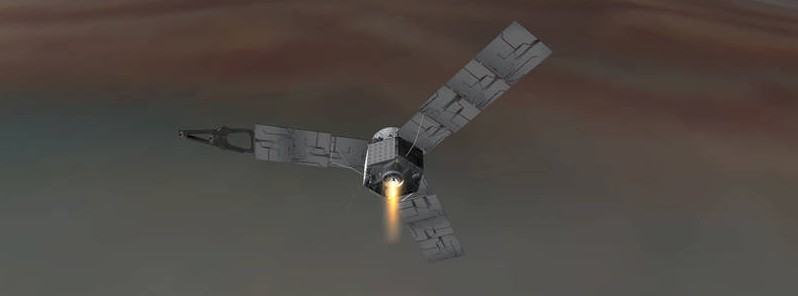
    On the fourth of July, many Americans will be looking skyward in celebration of their nation’s independence. On the same date, NASA, and astronomers worldwide will also look skyward in celebration of another great achievement – Juno’s arrival to…

  • Electric fields around Venus stripped its atmosphere of water components

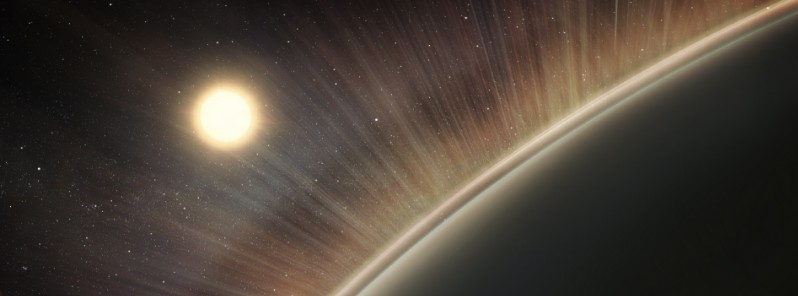
    Scientists using data obtained by ESA's Venus Express have discovered a strong electric field around the planet Venus. Venus' electric field is at least 5 – 10 times stronger than Earth's and it seems it played a crucial part in removing water components…

  • Newly discovered asteroid 2016 HO3 is Earth’s new quasi-satellite

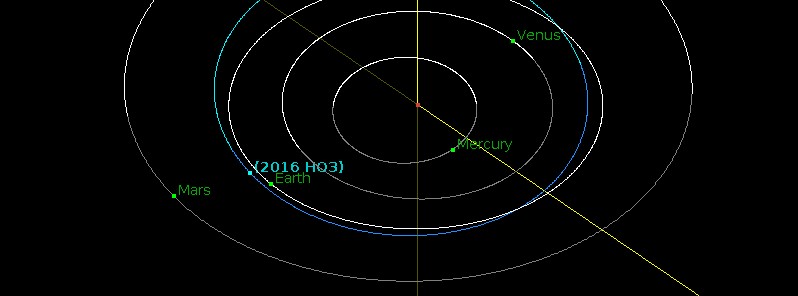
    Pan-STARRS 1 asteroid survey telescope on Haleakala, Hawaii has discovered Earth's new quasi-satellite. Designated as 2016 HO3, this newly discovered near-Earth object has been our planet's constant companion for almost a century. The asteroid is too…