• G2 – Moderate geomagnetic storm in progress, auroras possible from New York to Washington state

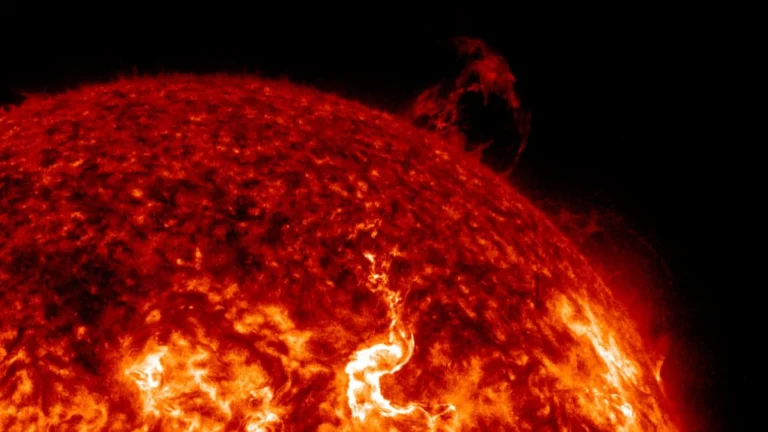
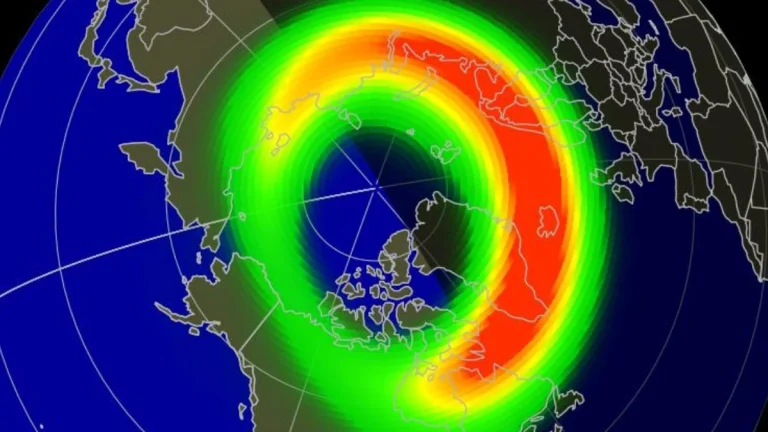
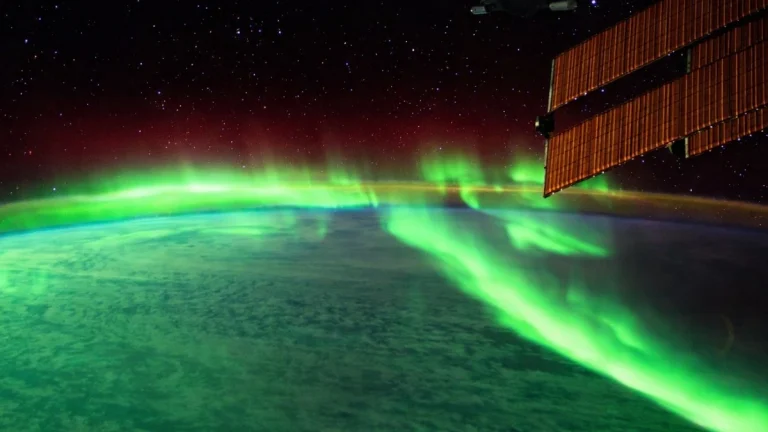
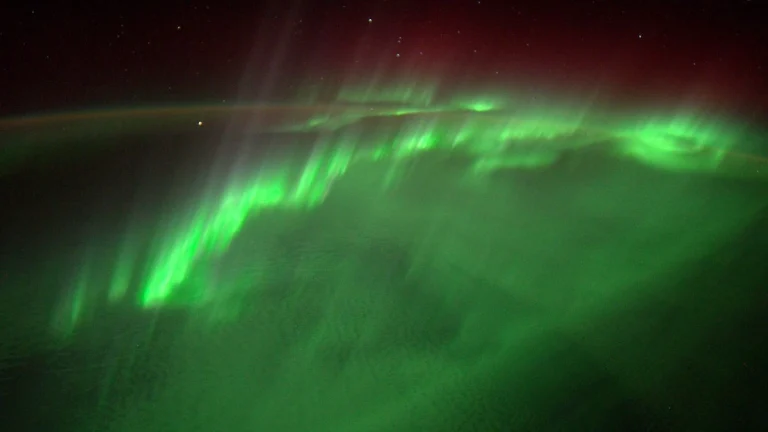
    A positive polarity coronal hole high speed stream currently interacting with Earth’s magnetic field produced a G2 – Moderate geomagnetic storm, with the K-index peaking at 6 at 20:00 UTC on February 16, 2026. The storm may generate visible aurora across northern U.S. latitudes and cause minor operational effects in satellite and power systems.

  • Geomagnetic storms possible this weekend as CME from M1.0 solar flare heads toward Earth

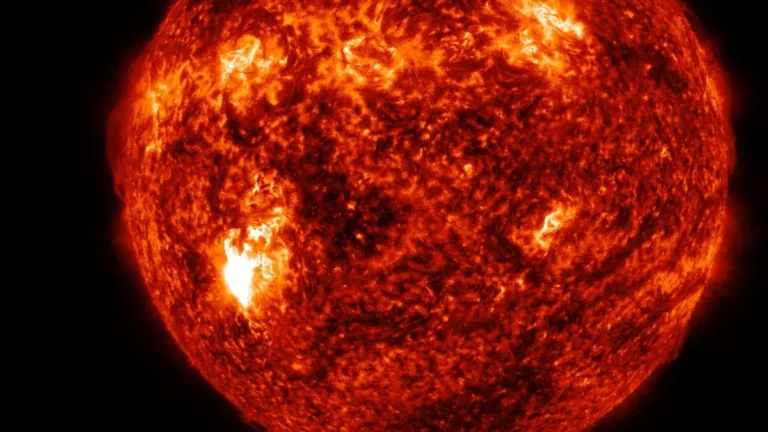
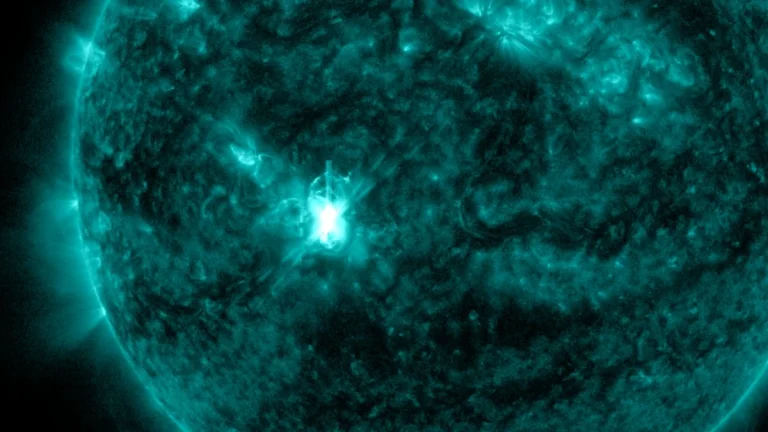
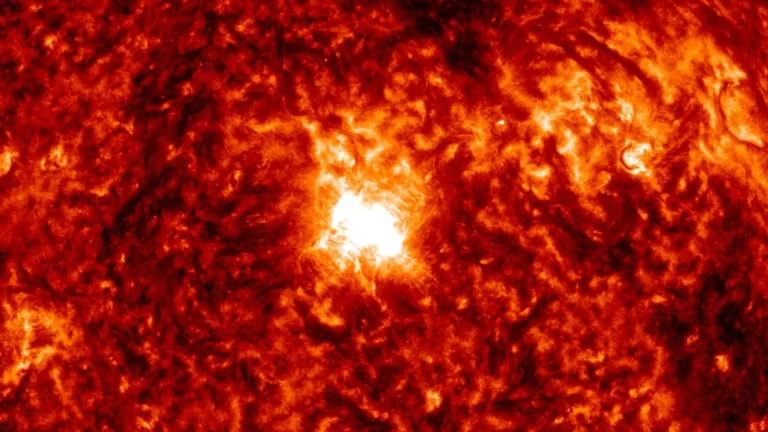
    An M1.0 solar flare erupted from Active Region 4373 at 08:58 UTC on February 13, 2026, launching a coronal mass ejection (CME) expected to glance Earth around February 15–16. SWPC forecasts G1 – Minor to isolated G2 – Moderate geomagnetic storm conditions as the CME interacts with a co-rotating interaction region and a positive-polarity coronal-hole high-speed stream.

  • Impulsive X4.2 solar flare erupts from geoeffective Active Region 4366

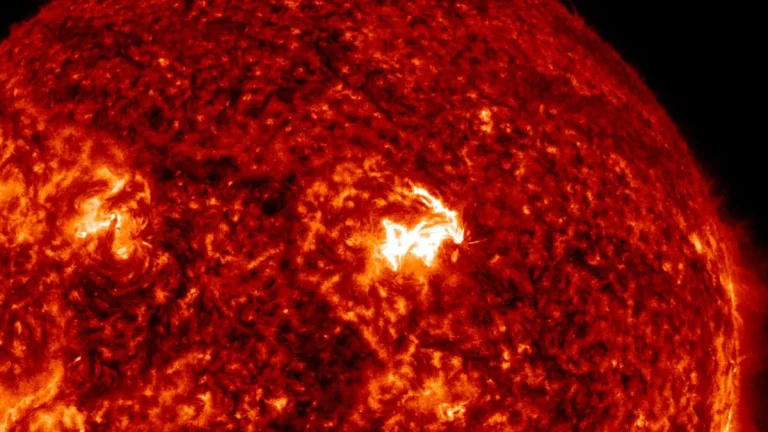
    An impulsive X4.2 solar flare erupted from geoeffective Active Region 4366 at 12:13 UTC on February 4, 2026. The flare originated from a magnetically complex beta-gamma-delta region that produced dozens of M- and 5 other X-class flares since February 1. Its location near the central solar disk raises the possibility of Earth-directed coronal mass ejections (CMEs) this week.

  • CME produced by X8.1 flare forecast to reach Earth on February 5, causing G1 geomagnetic storm

    A coronal mass ejection (CME) associated with an X8.1 solar flare from Region 4366 at 23:57 UTC on February 1 is forecast to glance Earth late on February 5, 2026. The impact is expected to produce G1 – Minor geomagnetic storm conditions and possible auroral activity poleward of 60 degrees Geomagnetic Latitude. This was the third-strongest solar flare of Solar Cycle 25.

  • Major X8.1 solar flare erupts from AR 4366 following explosive growth

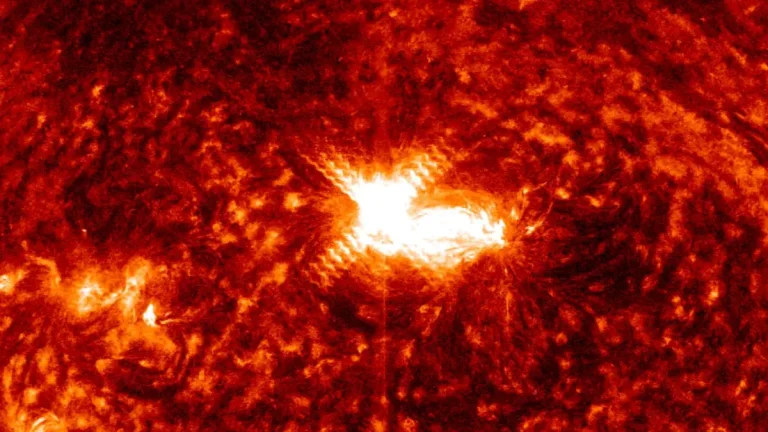
    A major X8.1 solar flare erupted from Active Region 4366 at 23:57 UTC on February 1, 2026, following rapid magnetic expansion and intense flaring throughout the day. The region also produced an X1.0 flare at 12:33 UTC on February 1 and an X2.8 event at 00:36 UTC and an X1.6 at 08:14 UTC on February 2, accompanied by more than 20 M-class flares since 02:00 UTC on February 1.

  • Major X1.0 flare erupts from Region 4366, Earth-directed CMEs possible in days ahead

    A major X1.0 solar flare erupted at 12:33 UTC on February 1, 2026, from Active Region 4366, following a sequence of strong M-class flares earlier in the day, including M6.6 and M6.7 flares within two hours. The event started at 11:52 and ended at 12:38 UTC. With the region now rotating toward the center of the solar disk and maintaining a complex beta-gamma-delta magnetic configuration, conditions are favorable for Earth-directed CMEs in the days ahead.

  • Rare auroral glow detected within South Atlantic Anomaly during January 19 severe geomagnetic storm

    Severe geomagnetic storm on January 19, 2026, generated a rare auroral glow inside the South Atlantic Anomaly, a region where Earth’s magnetic field is significantly weaker. Photographers in Brazil captured a diffuse purple band over Cambará do Sul during peak geomagnetic activity, documenting the latest in rare instances of possible auroral or SAR arc activity within the anomaly.