• Nepal to re-measure Mount Everest

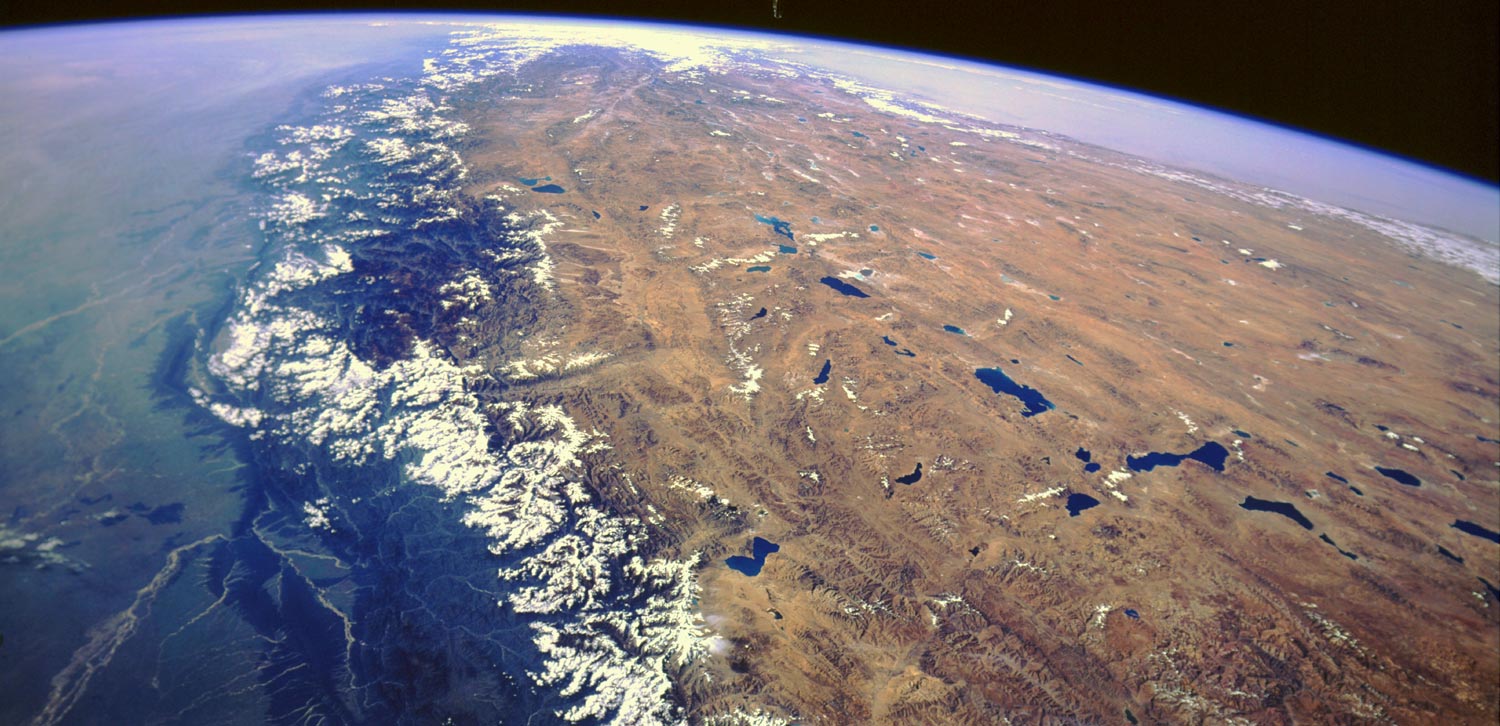
    There seems to be some confusion over the exact height of Mount Everest, the world’s highest mountain.Chinese and Nepalese officials have disagreed over the height of the iconic peak. The Nepalese has decided to clear the air, and will re-measure the mountain

  • Cold front, warm front

    Weather fronts are as familiar as rain. For those who live outside of Earth’s tropics, the movement of warm and cold masses of air creates the weather, and when the two clash, if often rains. Understanding what happens when cold and warm air meet (cold and warm

  • Can a tornado have more than one funnel?

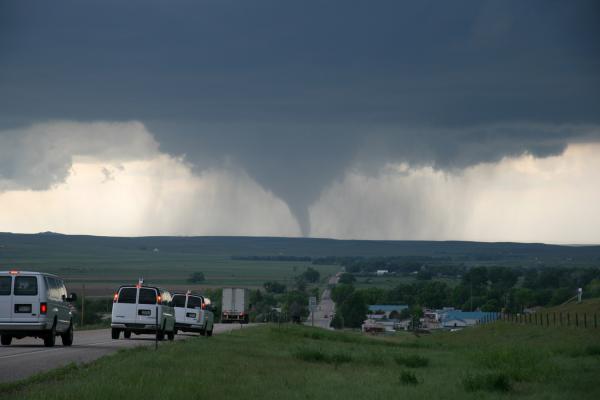
    A deadly three-day storm spawned a reported 267 tornadoes over the weekend, according to the Storm Prediction Center in Norman, Okla. But not all of these were single funnel clouds — some were what you might call tornado twins and triplets.Storm chasers following

  • Huge ocean ‘frisbees’ whirl off Brazil coast

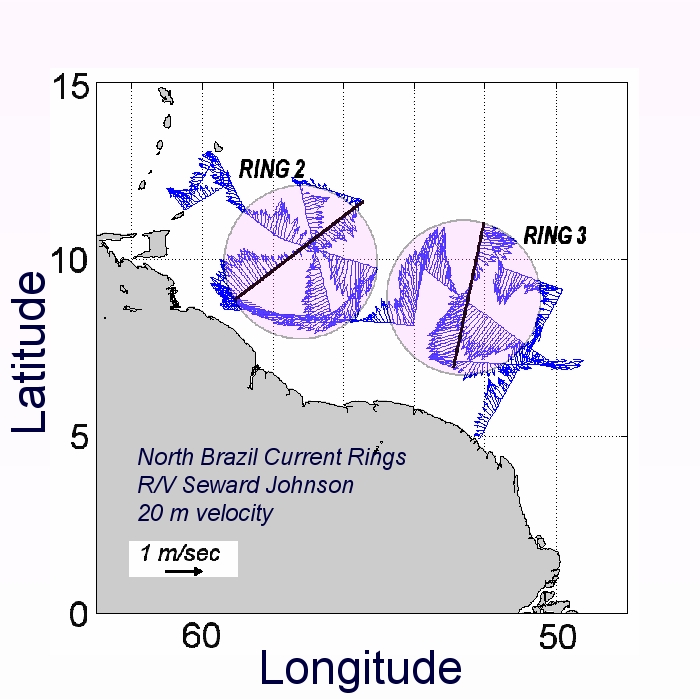
    Scientists found that spinning disks of water whirl like giant Frisbees in the ocean off Brazil, greatly affecting ships and climate. These huge clusters are born as the warm North Brazil Current moves northward along the northeastern coast of Brazil. This current…

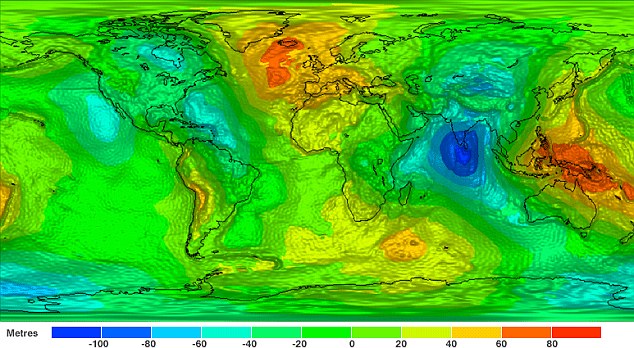
  • Earth’s gravity revealed in unprecedented detail

    After just two years in orbit, ESA's GOCE satellite has gathered enough data to map Earth's gravity with unrivaled precision. Scientists now have access to the most accurate model of the 'geoid' ever produced to further our understanding of how Earth…

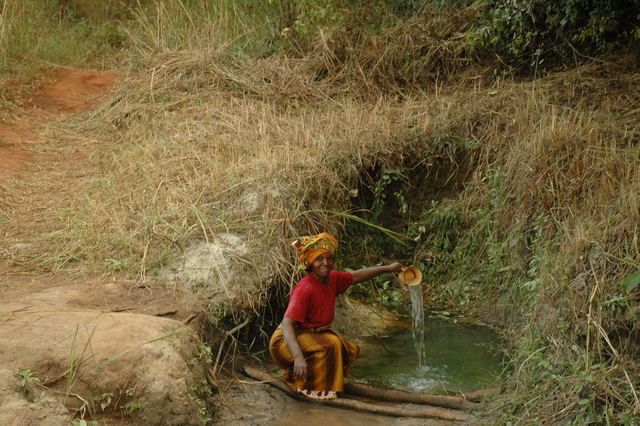
  • Report uncovers key trends In water resources research

    Examining major trends in water research at the international, national and institutional levels, the report "Confronting the Global Water Crisis through Research – 2010", carried out by Elsevier, highlights the escalation in the article output of countries

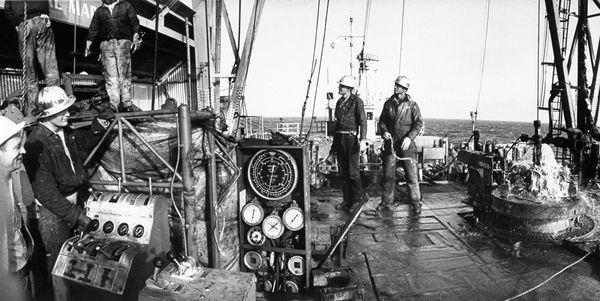
  • Scientists plan to drill all the way down to the Earth’s mantle

    Scientists are planning to drill all the way through the planet’s miles-thick crust to Earth’s deep, hot mantle and retrieve samples for the first time. The samples, they say, would rival moon rocks for sheer scientific import—and be nearly as hard to