• Why did the 2014 Oso landslide travel so far?

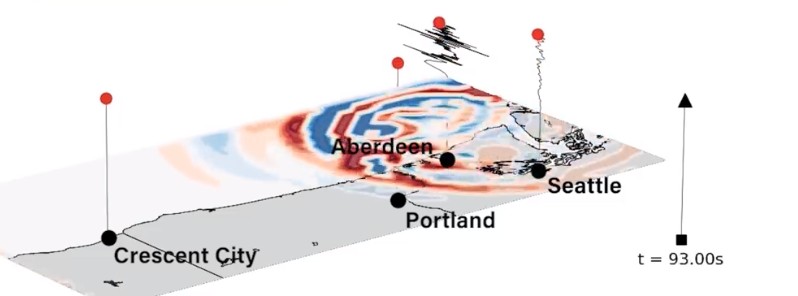
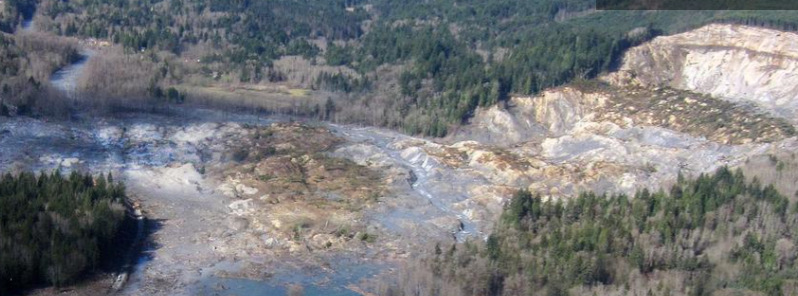
    On Saturday, March 22, 2014, a devastating landslide roared across the North Fork of the Stillaguamish River, near Oso, Washington. The landslide killed 43 people as it plowed through the Steelhead Haven neighborhood. When it stopped, after crossing the river, the…

  • Saline lakes around the world shrinking at alarming rates

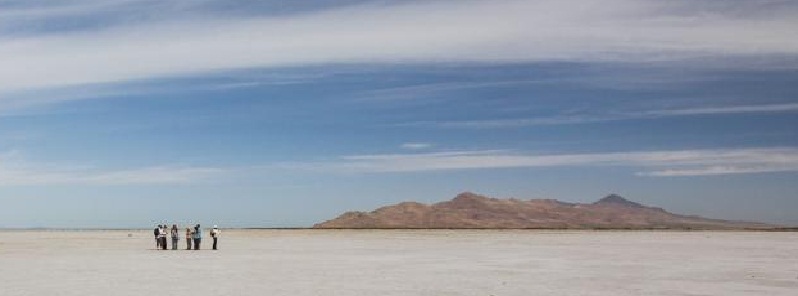
    Saline lakes around the world are shrinking in size at alarming rates. Lakes like Utah's Great Salt Lake, Asia's Aral Sea, the Dead Sea in Jordan and Israel, China's huge Lop Nur and Bolivia's Lake Popo are just a few that are in peril. These lakes…

  • Life goes on for marine ecosystems after cataclysmic mass extinction

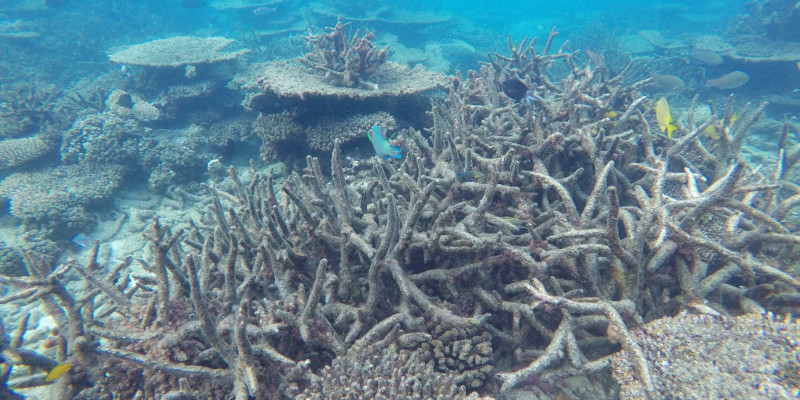
    An international team of scientists, including Dr. Alex Dunhill from the University of Leeds, has found that although the mass extinction in the Late Triassic period wiped out the vast proportion of species, there appears to have been no drastic changes to the way…

  • Gamma rays will reach beyond the limits of light

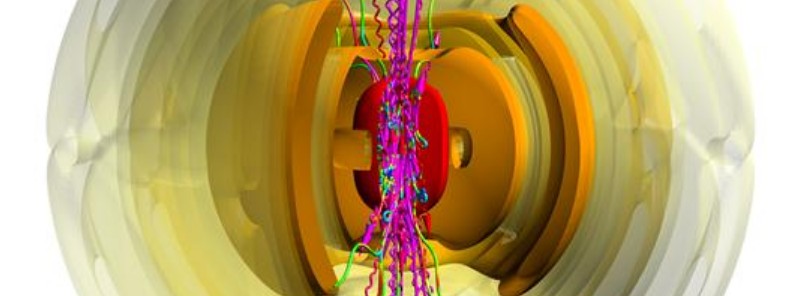
    Researchers have discovered a new way to produce high energy photon beams. The new method makes it possible to produce these gamma rays in a highly efficient way, compared with today's technique. The obtained energy is a billion times higher than the energy of…

  • U.S. and Canadian scientists explore major undersea earthquake fault

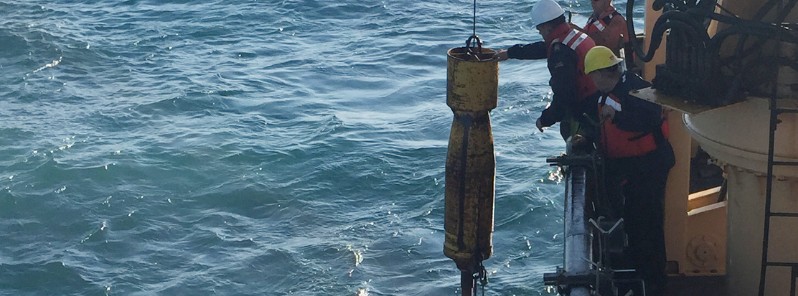
    An international team of scientists just finished probing the depths of the Pacific Ocean offshore of Alaska and British Columbia, to better understand the Queen Charlotte-Fairweather Fault. During the past century, the 1 126 km long (700 miles) fault has generated…

  • Less large near-Earth asteroids than previously thought

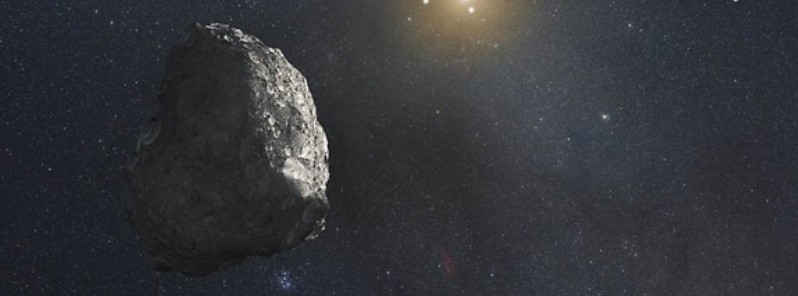
    Fewer large near-Earth asteroids (NEAs) remain to be discovered than astronomers thought, according to a new analysis by planetary scientist Alan W. Harris of MoreData! in La Canada, California. Harris is presenting his results this week at the 49th annual meeting…