• Planetary scientists predict Earth-like planets around most stars

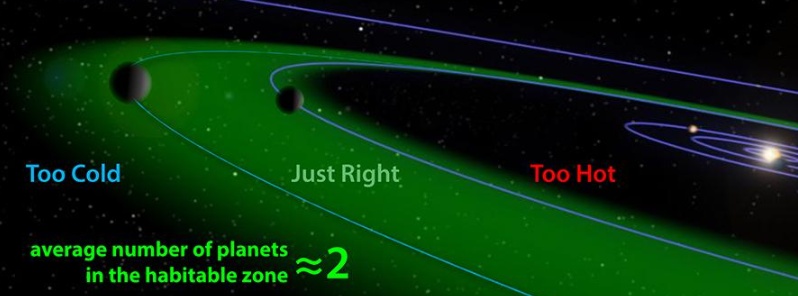
    Planetary scientists have calculated that there are hundreds of billions of Earth-like planets in our galaxy which might support life. The new research, led by PhD student Tim Bovaird and Associate Professor Charley Lineweaver from The Australian National University (AN
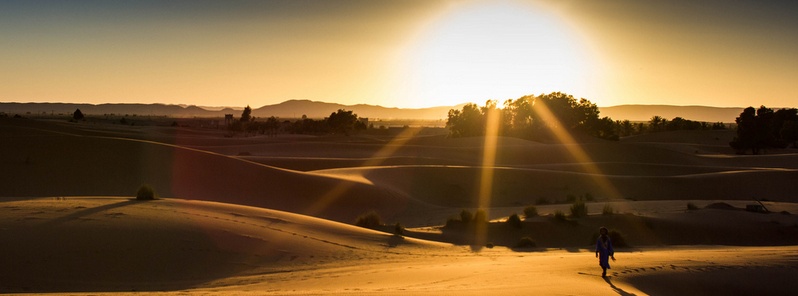
  • Insight into behavior of African monsoon

    Between 14 800 and 5 500 years ago, during a period known as the "African Humid Period", Sahara was characterized by lush, green vegetation and a network of lakes, rivers and deltas. Why and how it ended is the subject of scientific study that holds important

  • Galactic ‘hailstorm’ in the early Universe

    Astronomers have been able to peer back to the young Universe to determine how quasars – powered by supermassive black holes with the mass of a billion suns – form and shape the evolution of galaxies. Two teams of astronomers led by researchers at the

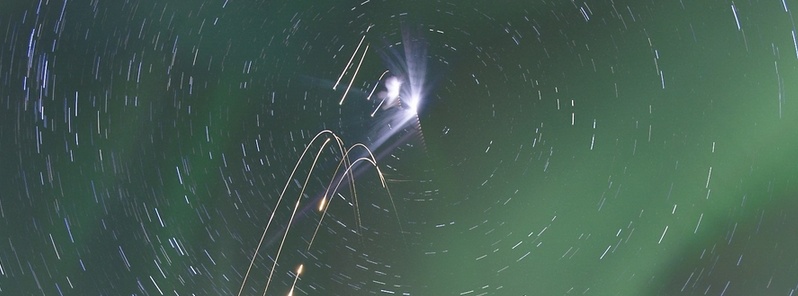
  • M-TeX and MIST experiments launched into auroras

    The interaction of solar winds and Earth’s atmosphere produces northern lights, but to scientists this interaction is more than a light display. It produces many questions about the role it plays in Earth’s meteorological processes and the impact on the plan

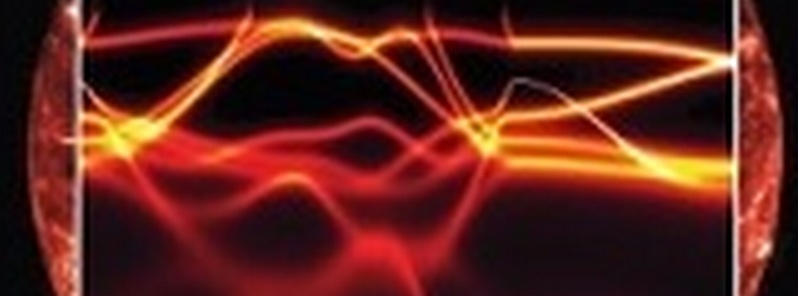
  • Missing link in metal physics explains Earth’s magnetic field

    Earth’s magnetic field is crucial for our existence, as it shields the life on our planet’s surface from deadly cosmic rays. It is generated by turbulent motions of liquid iron in Earth’s core. Iron is a metal, which means it can easily conduct a flow

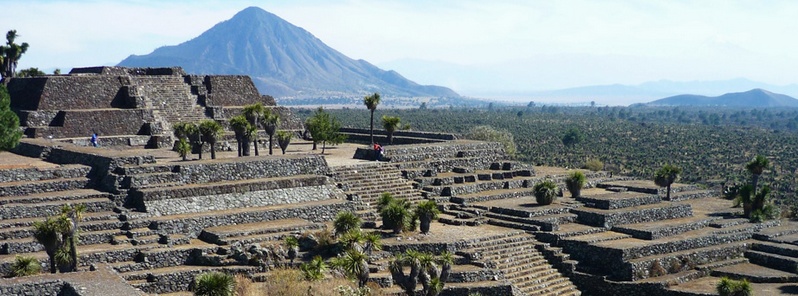
  • Long series of droughts doomed Mexican city 1000 years ago

    Archaeologists continue to debate the reasons for the collapse of many Central American cities and states, from Teotihuacan in Mexico to the Yucatan Maya, and climate change is considered one of the major causes.A University of California, Berkeley, study sheds new ligh

  • The winners and losers of ocean acidification

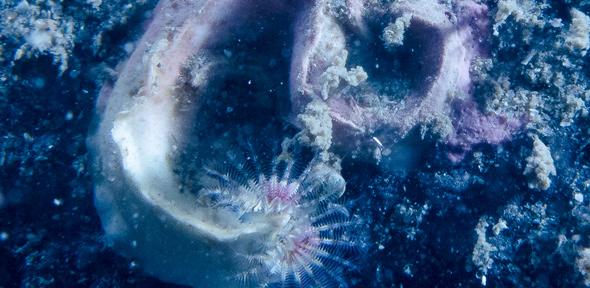
    The population balance of some marine ‘pests’ could be drastically changed as the world’s oceans become increasingly acidic.Populations of certain types of marine organisms known collectively as the ‘biofouling community’ – tiny

  • New climate change projections for Australia

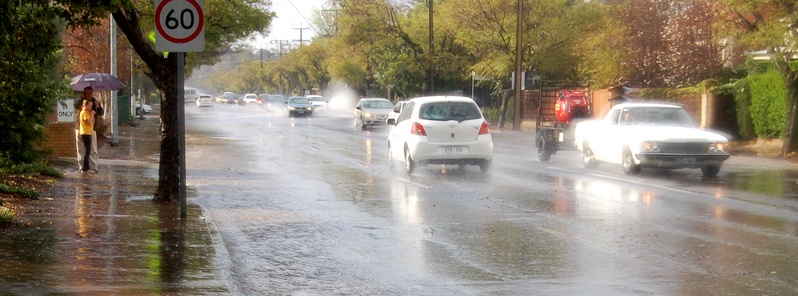
    CSIRO and the Bureau of Meteorology released climate change projections for Australia that provide updated national and regional information on how the climate may change to the end of the 21st century.The projections are the most comprehensive ever released for Austral

  • Swarm of scientific microprobes to the clouds of Jupiter in 2030

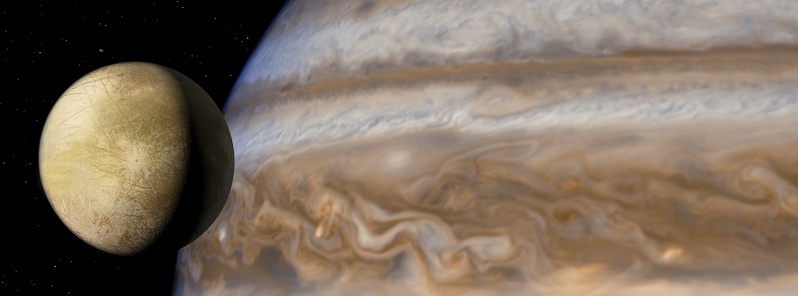
    A swarm of tiny probes each equipped with a different sensor could be fired into the clouds of Jupiter and grab data as they fall before burning up in the gas giant planet's atmosphere, according to a recently presented concept in International Journal of Space Scie