Bright fireball over Massachusetts, U.S.
A bright fireball was reported streaking through the night sky over the Northeastern United States at 01:36 UTC on July 20, 2024 (21:36 EDT, July 19).

A bright fireball was reported streaking through the night sky over the Northeastern United States at 01:36 UTC on July 20, 2024 (21:36 EDT, July 19).

A very strong earthquake registered by the USGS as M7.4 hit the Chile – Argentina border region at 01:50 UTC on July 19, 2024 (21:50 LT, July 18). The agency is reporting a depth of 126 km (78 miles). EMSC is reporting the same magnitude and depth.

A very bright fireball was observed over Monsenhor Hipólito, Piauí, northeastern Brazil, at 03:10 UTC on July 13, 2024. The recorded magnitude for the fireball was -19.5, making it approximately 500 times brighter than the full moon.

A bright daylight fireball disintegrated over New York City at 15:15 UTC (11:15 EDT) on July 16, 2024. Many people reported booms and shaking around this time, but they were probably caused by military exercises in the vicinity.

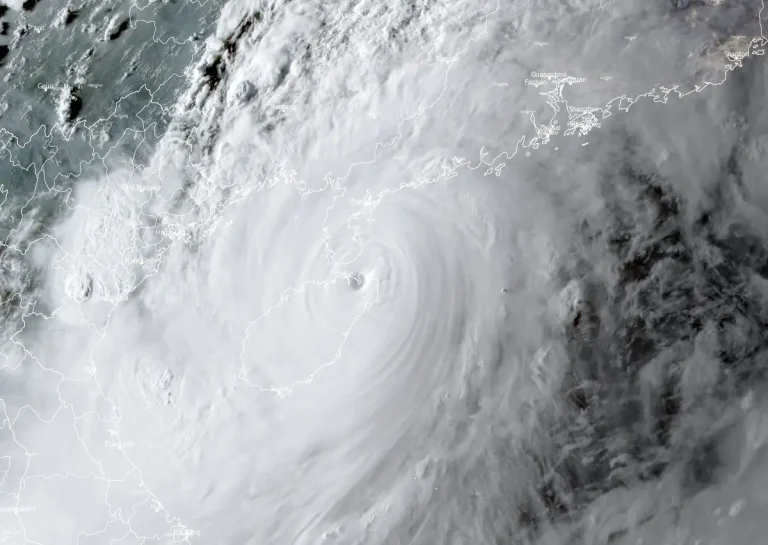
Severe, widespread flooding hit parts of central China on July 15 and 16, 2024, as record-breaking torrential rains, with up to a year’s worth in 24 hours, claimed at least four lives.

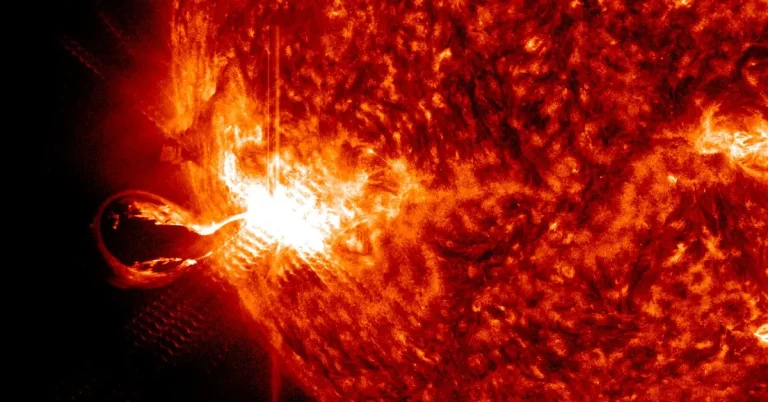
A powerful solar flare measuring X1.9 erupted from departing Active Region 3738 at 13:26 UTC on July 16, 2024. The event started at 13:11 and ended at 13:36 UTC.

Severe floods and mudflows struck Osh City, Kyrgyzstan, and the surrounding suburbs on July 14, 2024, causing widespread damage and prompting authorities to declare a state of emergency. At least 4 people are missing and roughly 420 were forced to evacuate.

Multiple alerts were issued across the Midwest on July 14, 2024, as severe thunderstorms rolled through the region, causing widespread damage. The severe weather threat is expected to continue until July 16.

A major solar flare measuring X1.2 erupted from Active Region 3738 at 02:34 UTC on July 14, 2024. The event started at 02:23 and ended at 02:48 UTC.

Researchers from the Massachusetts Institute of Technology (MIT) investigated the significant impacts and scientific insights from the May 2024 G5 – Extreme geomagnetic storm and how it impacted satellite operations and atmospheric activities.