• How humans adapted to increased cosmic radiation during geomagnetic excursion 41 000 years ago

    Around 41 000 years ago, Earth’s magnetic field weakened by up to 90 percent during a geomagnetic excursion known as the Laschamps event. This rare event reduced the planet’s natural shielding against solar and cosmic radiation, exposing the surface to increased ultraviolet energy. A new study combining space weather modeling and archaeological evidence shows that early humans adapted to these extreme conditions through the use of ochre, clothing, and caves, while Neanderthals may have lacked such protective strategies, which may have contributed to their extinction.

  • Nearly 40 million brace for severe weather from Great Lakes to Southern Plains through Easter weekend

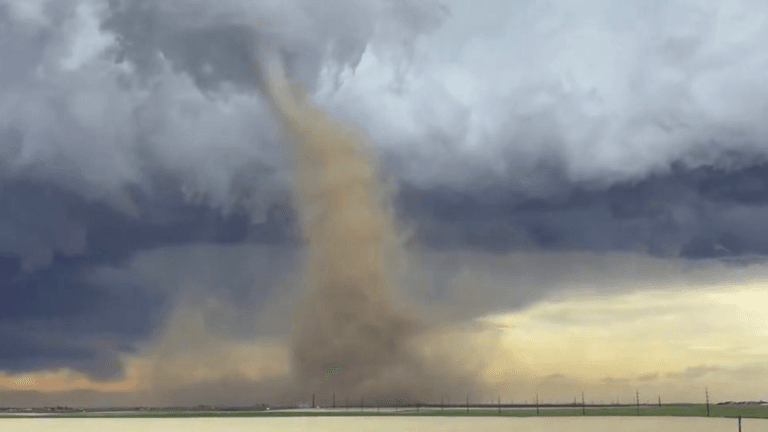
    Nearly 40 million people from Texas to Michigan are under threat of severe weather as an amplifying trough begins affecting the central United States on Wednesday, April 16, 2025. The system is forecast to bring strong thunderstorms, heavy rainfall, and damaging winds, with the associated cold front expected to dominate weather conditions through Saturday, April 19, from the Southern Plains to the Great Lakes.

  • Tropical Cyclone Tam triggers weather alerts across New Zealand’s North Island

    Tropical Cyclone Tam, named by the Fiji Meteorological Service on April 15, 2025, is moving southeast and will bring severe weather to New Zealand’s Upper North Island beginning April 16. The center of the storm is expected to remain west of Cape Reinga, but heavy rain, strong winds, and dangerous coastal conditions are forecast to impact North Island in the days ahead.

  • Severe sandstorms move across northern China, breaking wind records at 499 stations and prompting rare public advisories

    Chinese authorities warned citizens weighing less than 50 kg (110 lb) to stay indoors as a large-scale low-pressure system moving in from Mongolia brought record-breaking winds exceeding 150 km/h (93 mph) to parts of northern China. Over 499 weather stations broke April wind records as the system moved southeast through the weekend, causing widespread damage and placing millions under severe weather alerts.