• EF2 tornado injures two, damages homes near Detroit Lakes, Minnesota

    Two people were injured after an EF2 tornado swept through the Detroit Lakes area of Becker County, Minnesota, on July 6, 2026, according to a National Weather Service damage survey. Survey teams estimated peak winds of 185 km/h (115 mph) and significant damage along the twister’s path.

  • Super Typhoon Bavi weakens slightly as Taiwan, Yaeyama Islands and eastern China brace for impacts

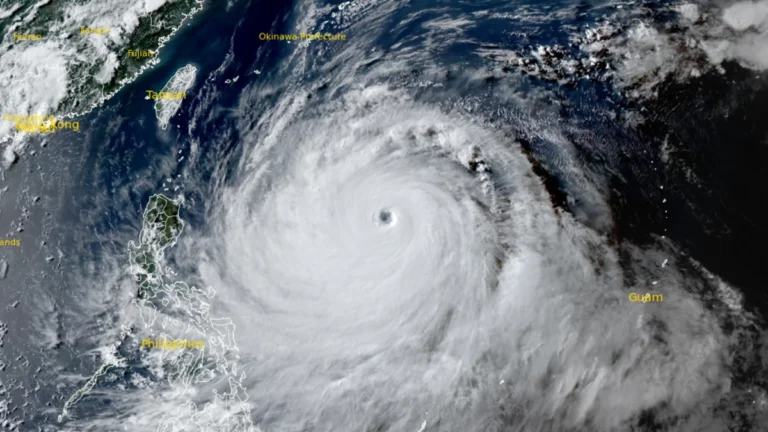
    Super Typhoon Bavi maintained Category 4-equivalent intensity over the Philippine Sea on July 8, 2026, with maximum sustained winds of 250 km/h (155 mph) and higher gusts. The cyclone is forecast to weaken gradually before passing near Taiwan and Japan’s Yaeyama Islands around July 11 and making a possible landfall along the eastern coast of China around July 12.

  • Ohio storms kill 5-year-old boy as historic rainfall floods Kelleys Island

    Severe storms and flash flooding affected parts of Ohio on July 5 and 6, 2026, killing a 5-year-old boy in Monroe County and producing historic and potentially record-breaking rainfall on Kelleys Island. The National Weather Service confirmed an EF1 tornado and a destructive macroburst in Mahoning County, where straight-line winds downed nearly 1 000 trees.

  • Strengthening El Niño and Atlantic cold anomaly in focus for Winter 2026–27 outlook

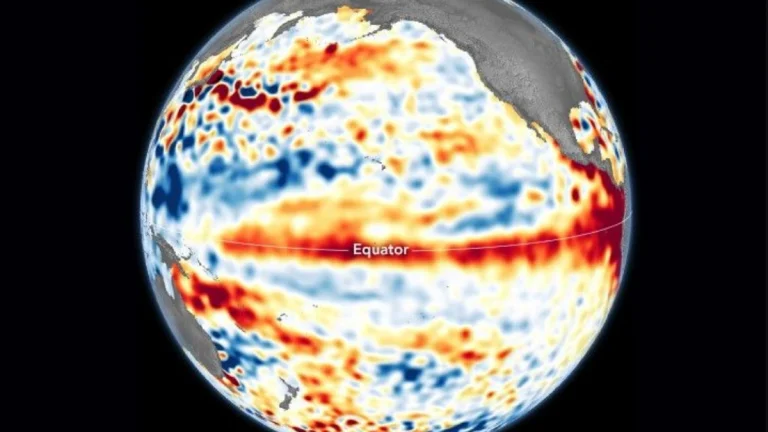
    A strengthening El Niño and a persistent cool sea-surface-temperature anomaly in the subpolar North Atlantic, associated with the feature known in climate research as the North Atlantic warming hole, may influence large-scale atmospheric circulation during early Winter 2026–27 across North America and Europe, according to seasonal forecast guidance from major international forecasting centers.

  • New Jersey reports 29 suspected heat-related deaths after prolonged early July heat wave

    Health officials in New Jersey have increased the number of suspected heat-related deaths associated with last week’s extreme heat wave to 29, on Monday, July 6, 2026. A prolonged heat wave brought temperatures above 38°C (100°F) and dangerous heat index values approaching 43°C (110°F) across parts of the state over the Independence Day weekend. Most fatalities are yet to be certified as heat-related deaths by the forensics department, hence the toll remains preliminary.

  • ‘Historically rare’ tornado strikes Huanggang, causing extensive urban damage in Hubei Province, China

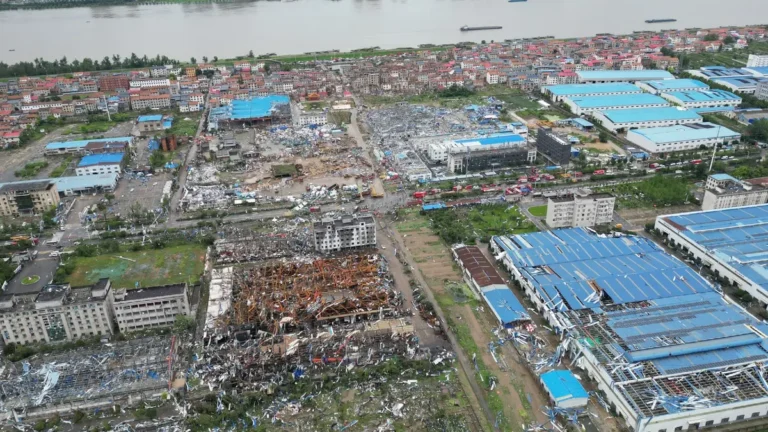
    A rare tornado struck the urban area of Huanggang, Hubei Province, between 20:10–20:30 LT on July 6, 2026, causing widespread destruction across residential neighborhoods, industrial facilities, and logistics parks. Huanggang’s on-site command headquarters said the tornado produced winds exceeding Force 15 on the Chinese wind scale during what it described as a historically rare event for the city. Still preliminary numbers mention up to 12 fatalities and hundreds injured.

  • Reservoir breaches and Maysak floods leave 159 dead, 10 missing in Guangxi, China

    Severe flooding caused by Tropical Cyclone Maysak left 2 people dead in Nanning, Guangxi, on July 6, 2026, after extreme rainfall caused Liulan and Yunbiao reservoirs in Hengzhou to overtop and develop breaches. The Nanning flood-control briefing reported about 55 000 people affected and 48 000 evacuated, as of late Monday, July 7. By August 21, the death toll had risen to 159, while 10 remained missing.

  • Large wedge tornado strikes the Huanggang–Ezhou area in China’s Hubei Province, causing extensive damage

    A large wedge tornado struck the Huanggang–Ezhou area of Hubei Province, China, on July 6, 2026, during severe thunderstorms associated with the remnants of Typhoon Maysak. Numerous videos and photographs shared on Chinese social media appear to show a large condensation funnel moving through urban areas, while unconfirmed reports claim widespread damage, at least two fatalities, and hundreds of injuries.