Red Flag Warning for fire weather conditions in Bay Area, San Fransisco
A Red Flag Warning has been issued for the Bay Area in San Fransisco on Monday, November 4, 2024, due to a decrease in humidity and fire weather conditions.


A Red Flag Warning has been issued for the Bay Area in San Fransisco on Monday, November 4, 2024, due to a decrease in humidity and fire weather conditions.

A major eruption took place at Lewotobi Laki-laki volcano, Indonesia on Sunday, November 3, 2024, producing an ash column up to 12.2 km (40 000 feet) above sea level. The Aviation Color Code was raised to Red.
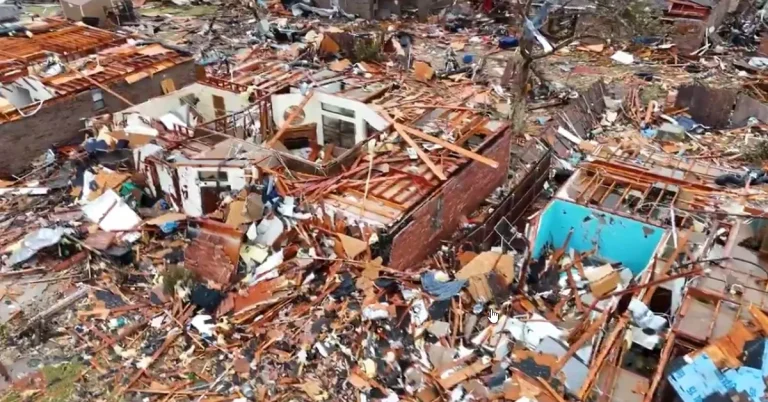
Severe weather swept through Oklahoma in the early hours of Sunday, November 3, 2024. Several tornadoes were reported, including one in the Valley Brook area that received a preliminary EF-2 rating and another in Harrah estimated at EF-3.
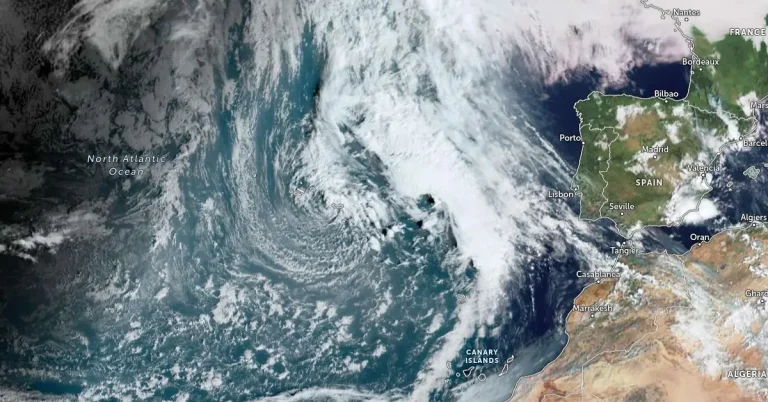
Subtropical Storm “Patty” formed over the northern Atlantic at 09:00 UTC on Saturday, November 2, 2024, prompting the Azores Meteorological Service to issue Tropical Storm Warnings for all islands of the Azores at 12:05 UTC.
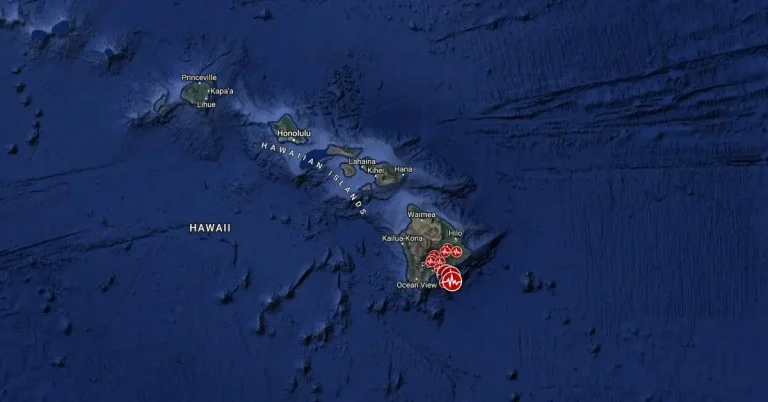
A period of increased seismic activity started at Kamaʻehuakanaloa volcano (previously known as Lōʻihi) near Hawaii on November 1, 2024, with over 70 recorded earthquakes and two reaching M4.3. Seismicity remains above normal levels today, indicating magma movement beneath the volcano.

Food insecurity in 16 global regions, spanning 14 countries and two regional clusters, is expected to intensify from November 2024 through May 2025, according to a recent UN report.

A severe hailstorm hit El Ejido, Spain on Monday, October 28, 2024, destroying 4 500 ha (11 000 acres) of greenhouses and losses reaching up to million dollars. This event took place just one day before the worst floods in Spain’s history hit Valencia, claiming the lives of over 200 people.
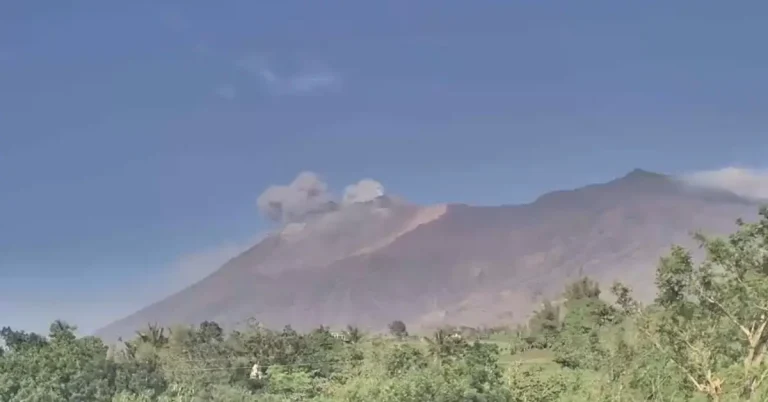
The Kanlaon Volcano on Negros Island, Philippines, produced three minor ash plumes from its summit crater on November 2, 2024, during brief eruptions lasting between four and twelve minutes each. The plumes rose to approximately 400 m (1 310 feet) above the crater and drifted southwest. No seismic or infrasonic signals accompanied the events, indicating low-energy emissions.

Former Super Typhoon “Kong-rey” brought record-breaking rainfall to coastal China after causing significant destruction in Taiwan, where it left 3 people dead and over 500 injured. What’s left of this storm is now moving toward Japan, with western regions already experiencing its effects, expected to last into November 2. Eastern Japan and the Tohoku region are likely to be impacted from November 2 to 3, with risks of landslides, flooding in low-lying areas, and rising river levels.
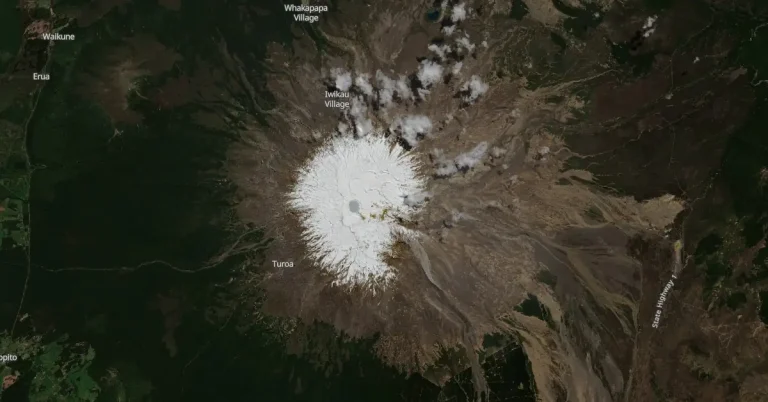
Te Wai ā-moe, the Crater Lake of Ruapehu volcano in New Zealand, is experiencing a mild heating trend, with temperatures rising from 8 °C (46.4 °F) to approximately 10 – 11 °C (50 – 51.8 °F). The recent changes have been noted in late October 2024, following several months of cooling that began in February of the same year.
