The Watchers team and our contributors bring the latest on extreme weather, earthquakes, volcanic eruptions, space weather, and all things science. We're all about making sense of the natural world and keeping you informed on what’s happening. Got a tip or a question? Hit us up using the form at newstips!

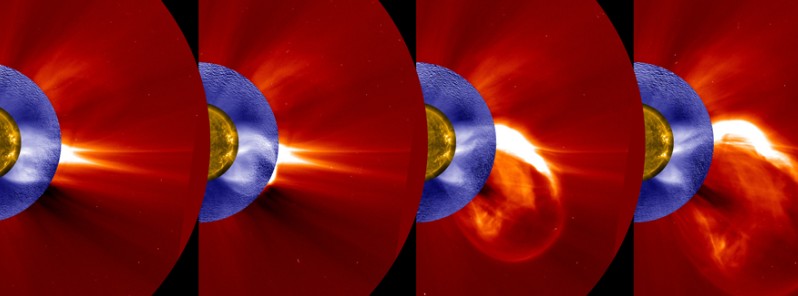
  • K-Cor promises earlier space weather warnings

    A new research instrument located on the Mauna Loa volcano in Hawaii – K-Coronagraph – showed the technique it uses to observe Sun's corona can be used to provide earlier warnings to astronauts when dangerous high-energy particles are blasted out of the…
  • Sea ice extent sinks to record lows at both poles

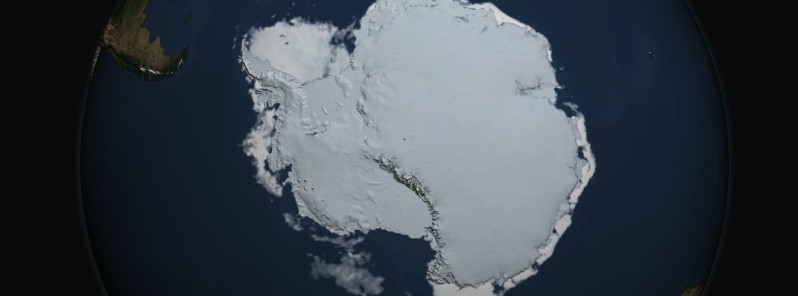
    Arctic sea ice appears to have reached on March 7 a record low wintertime maximum extent. This is the lowest maximum in the 38-year satellite record. On the opposite side of the planet, on March 3 sea ice around Antarctica hit its lowest extent ever recorded by…

  • 3-D map of space dust

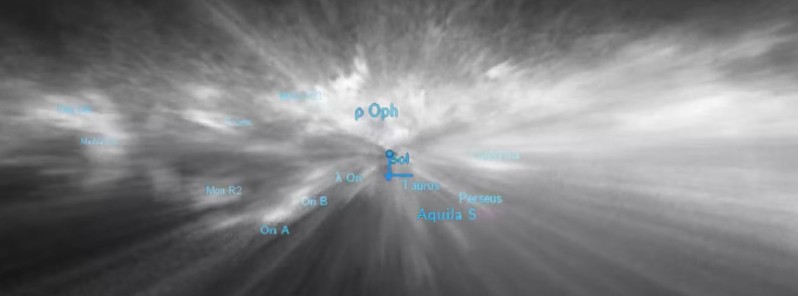
    A new study led by Edward F. Schlafly is providing a detailed, 3-D look at dust on a scale spanning thousands of light-years in our Milky Way galaxy. This dust map is of critical importance for the Dark Energy Spectroscopic Instrument (DESI), a Berkeley Lab-led…

  • First steps toward high-speed space internet

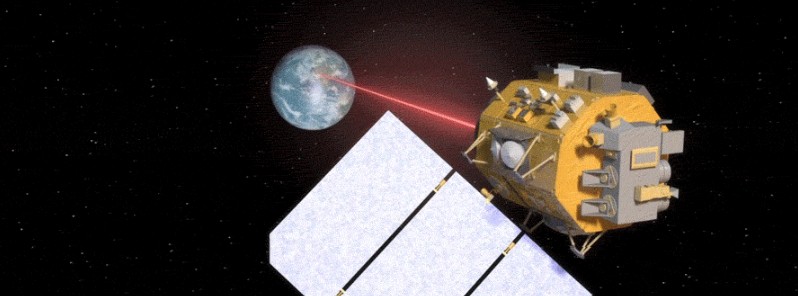
    NASA scientists are developing a trailblazing, long-term technology demonstration of what could become the high-speed internet of the sky. The Laser Communications Relay Demonstration (LCRD) will help NASA understand the best ways to operate laser communications…

  • Lessons learned from the 2003 France heatwave

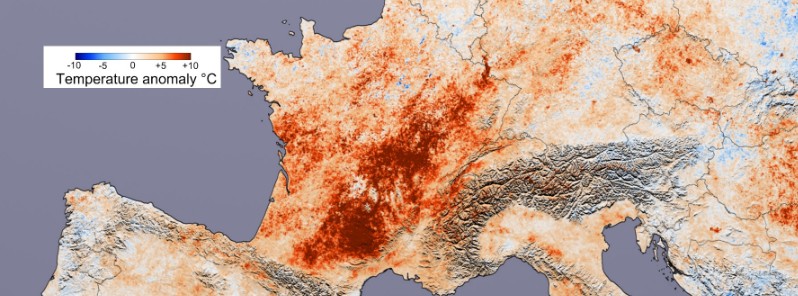
    In the summer of 2003, France was coping with worst heatwave since 1950s, when measurements began. The relentless heat killed more than 15 000 people, mostly elderly residents of Paris. Since the 2003 disaster, France has fully integrated disaster risk reduction…

  • New theories about nature of Earth’s iron

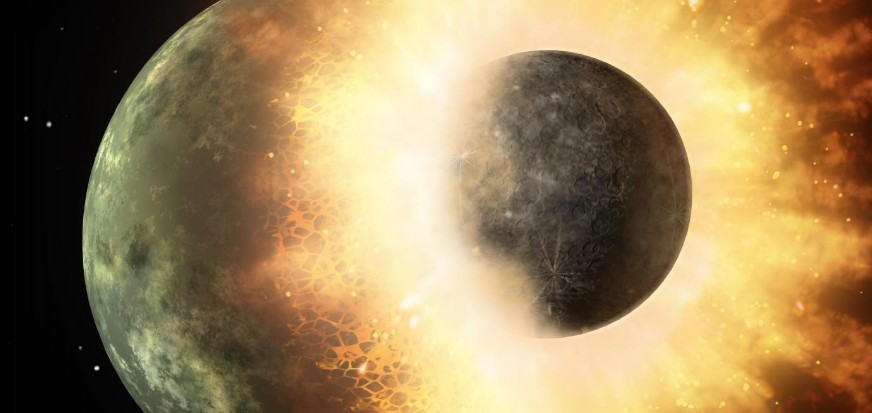
    In a study published March 20, 2017 in Nature Communications, an international team of scientists challenges the prevailing theory that the unique nature of Earth’s iron was the result of how its core was formed billions of years ago. The study opens the door…

  • Discovery of runaway star yields clues to breakup of multiple-star system

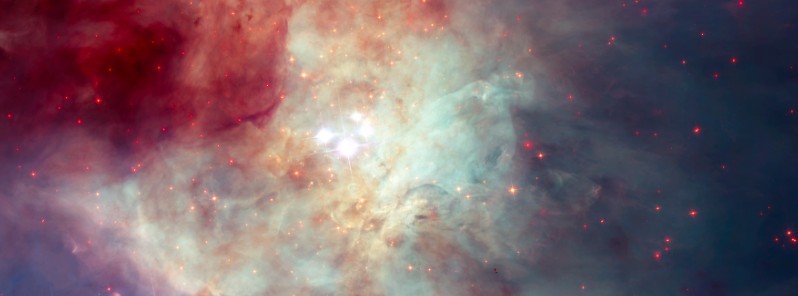
    As British royal families fought the War of the Roses in the 1400s for control of England's throne, a grouping of stars was waging its own contentious skirmish — a star war far away in the Orion Nebula. The stars were battling each other in a gravitational…

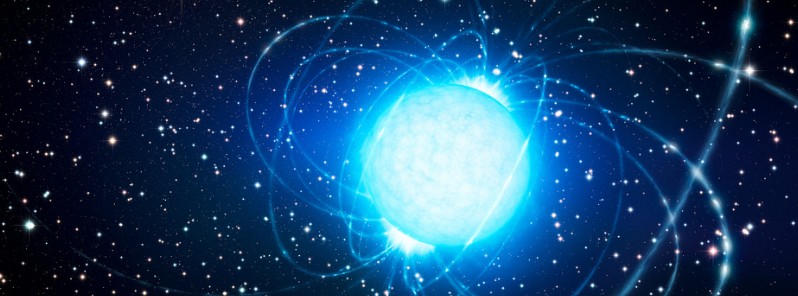
  • Another “impossible” neutron star

    What is a so-called neutron star? Scientists tell us that the material left over from a supernova explosion of a massive star collapses gravitationally, forming an incredibly small yet massively dense star mostly composed of tightly packed neutrons. A rotating…

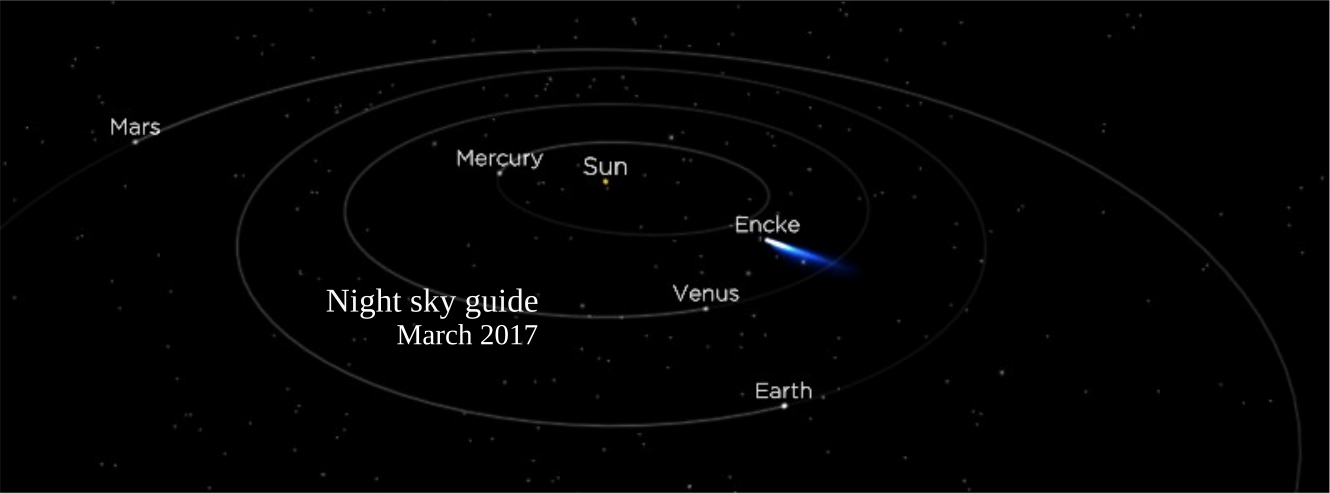
  • Night sky guide for March 2017

    The Sun will shine directly on the equator and there will be nearly equal amounts of day and night throughout the world – March equinox – on March 20. This is the first day of spring (vernal equinox) in the northern hemisphere and the first day of fall (autumnal…

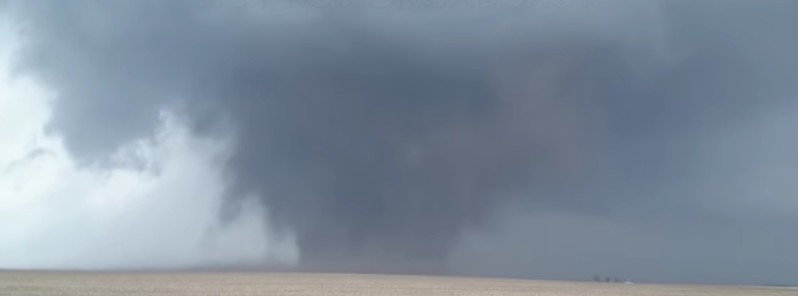
  • Large and deadly tornadoes rip through US Midwest

    At least three people have been killed on Tuesday, February 28, 2017, as severe weather outbreak, including heavy rain, strong winds, and at least 7 tornadoes, rip through the US Midwest. As of March 1 at 07:00 UTC, the NWS has issued Flash Flood, Flood, Severe…