Sakurajima eruption sends heavy ash over Kagoshima City, Japan
An eruption at Sakurajima’s Minamidake summit crater sent heavy ash over Kagoshima City, Japan, on June 7, 2026, with a plume reaching about 1 300 m (4 300 feet) above the crater.


I'm a dedicated researcher, journalist, and editor at The Watchers. With over 20 years of experience in the media industry, I specialize in hard science news, focusing on extreme weather, seismic and volcanic activity, space weather, and astronomy, including near-Earth objects and planetary defense strategies. You can reach me at teo /at/ watchers.news.
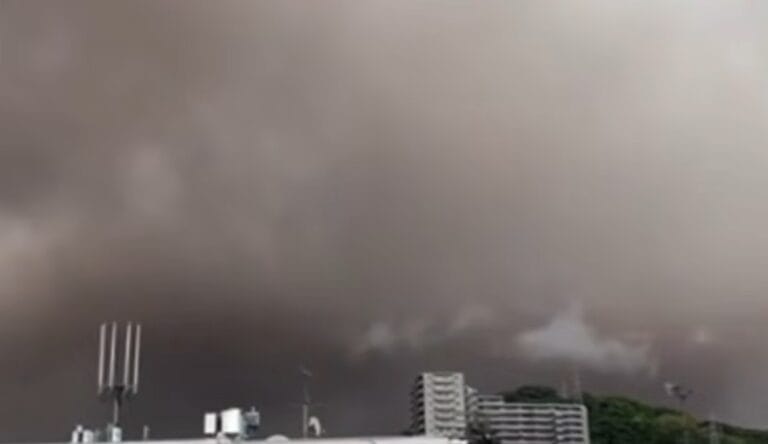
An eruption at Sakurajima’s Minamidake summit crater sent heavy ash over Kagoshima City, Japan, on June 7, 2026, with a plume reaching about 1 300 m (4 300 feet) above the crater.
New activity/unrest was reported for 3 volcanoes from May 28-June 3, 2026. During the same period, ongoing activity was reported for 20 volcanoes.
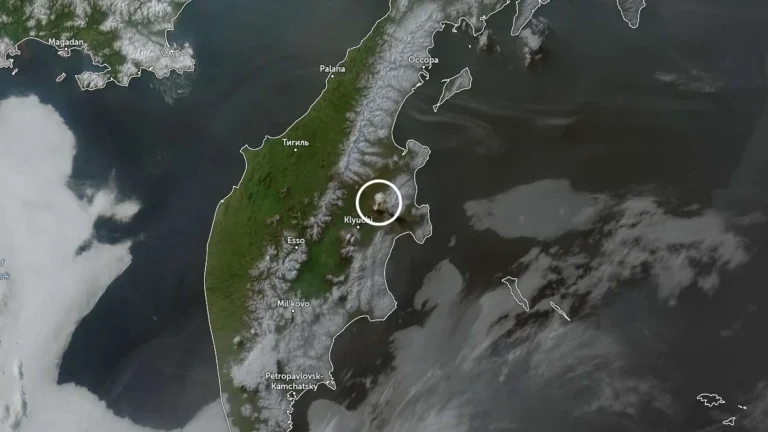
Sheveluch volcano on Russia’s Kamchatka Peninsula produced an explosive eruption at 08:00 UTC on June 6, 2026, sending ash to about 12 km (39 400 feet) above sea level and triggering a Red aviation color code.

NASA instructed crew members aboard the International Space Station to end safe haven procedures and return to planned operations on June 5, 2026, after Roscosmos paused structural repair work inside the Zvezda service module transfer tunnel, known as PrK, while additional measurements and data are assessed.
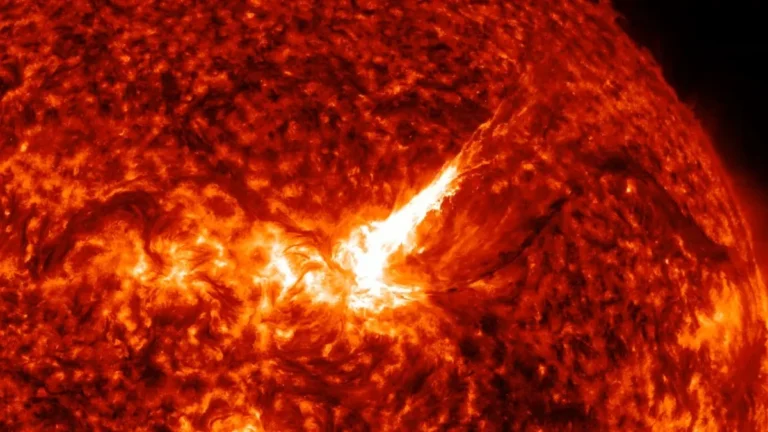
A G3 – Strong Geomagnetic Storm Watch is in effect for June 4 and 5, 2026, following three significant solar flares from Active Region 4455. NOAA’s Space Weather Prediction Center (SWPC) issued the watch at 14:52 UTC on June 3 after Earth-directed CME components were identified from two eruptions earlier in the day.
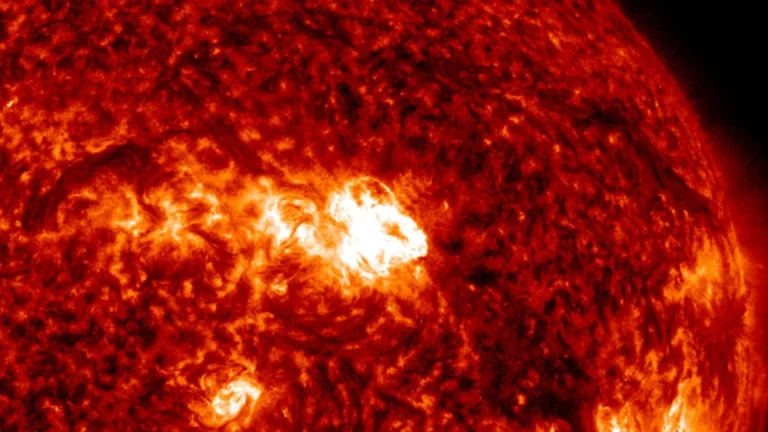
An X1.0 solar flare erupted from Active Region 4455 at 11:28 UTC on June 3, 2026, producing R3 – Strong radio blackout conditions on the sunlit side of Earth. This is the third major flare from the same region today, following M9.3 at 01:36 UTC and M7.7 at 07:00 UTC.
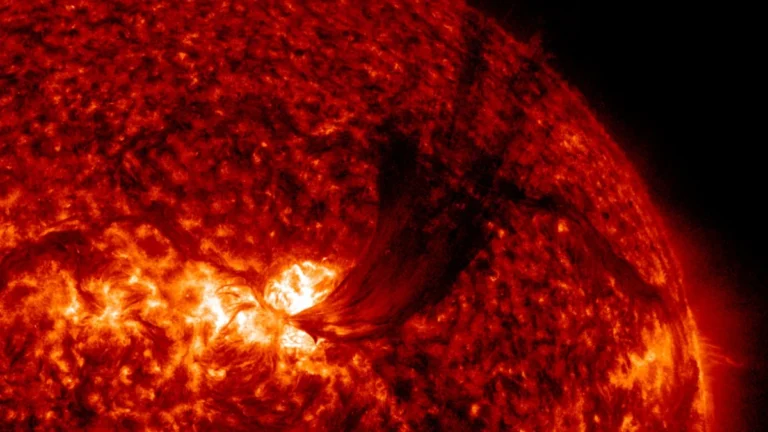
A strong solar flare measuring M9.3 at its peak erupted from Active Region 4455 at 01:36 UTC on June 3, 2026, producing an Earth-directed coronal mass ejection (CME). The event started at 01:22 UTC and ended at 01:43 UTC. At 07:00 UTC, another strong solar flare — M7.7 — erupted from the same region and produced another Earth-directed CME.
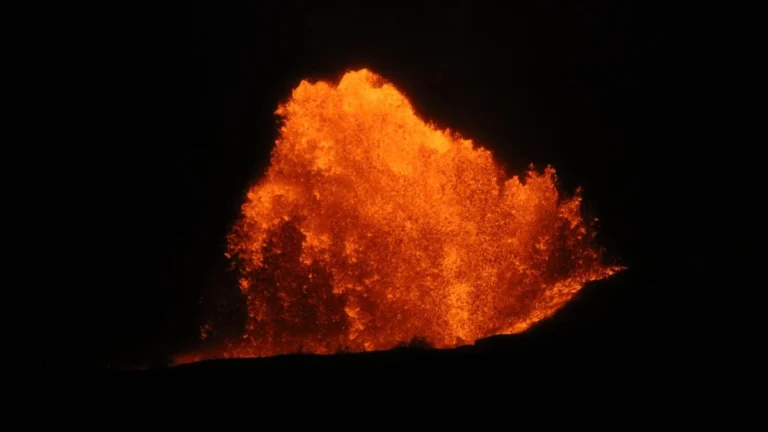
Kīlauea’s ongoing summit eruption reached its 48th lava-fountaining episode in Halemaʻumaʻu crater, Hawaii, at 04:40 HST (14:40 UTC) on June 1, 2026, setting a written-record benchmark for episodic lava fountaining during a single Kīlauea eruption, according to the USGS Hawaiian Volcano Observatory (HVO). The episode ended abruptly at 13:37 HST (23:37 UTC) after just under 9 hours of continuous fountaining from the north vent, and the eruption was paused afterward.
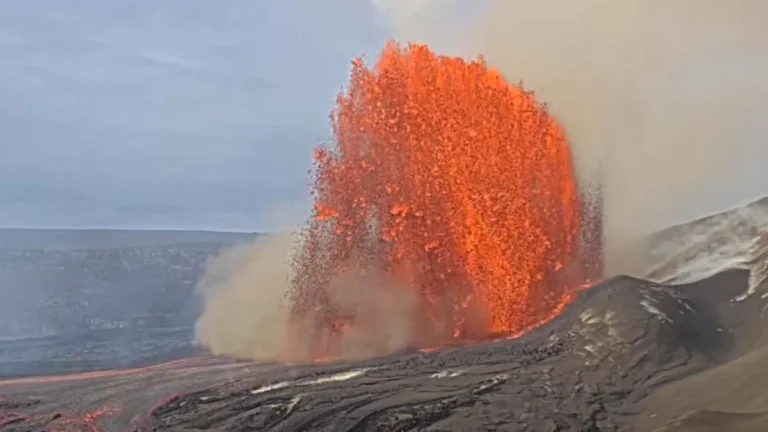
The National Weather Service (NWS) in Honolulu issued an Ashfall Advisory for Hawaiʻi Volcanoes National Park and areas to the north and northeast, including Volcano and Mountain View, after Kīlauea’s episode 48 lava fountaining began inside Halemaʻumaʻu crater on June 1, 2026.
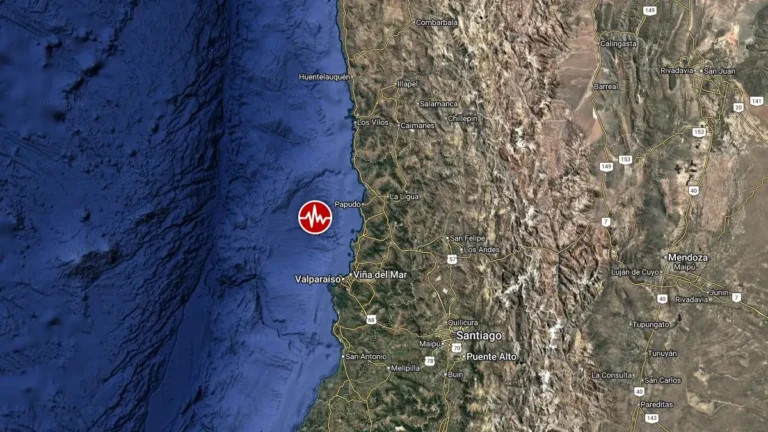
A shallow earthquake registered by the USGS as M6.0 hit offshore Valparaíso, Chile at 21:34 UTC (17:34 LT) on May 31, 2026. The agency is reporting a depth of 15.7 km (9.8 miles). EMSC is reporting M6.0 at a depth of 16 km (9.9 miles).
