I'm a dedicated researcher, journalist, and editor at The Watchers. With over 20 years of experience in the media industry, I specialize in hard science news, focusing on extreme weather, seismic and volcanic activity, space weather, and astronomy, including near-Earth objects and planetary defense strategies. You can reach me at teo /at/ watchers.news.

  • Active volcanoes in the world: July 1 – 7, 2015

    New activity/unrest was observed at 5 volcanoes from July 1 – 7, 2015. During the same period, ongoing activity was observed at 18 volcanoes. New activity/unrest: Fuego, Guatemala | Hakoneyama, Honshu (Japan) | Raung, Eastern Java (Indonesia) | Sangeang Api, Indonesi
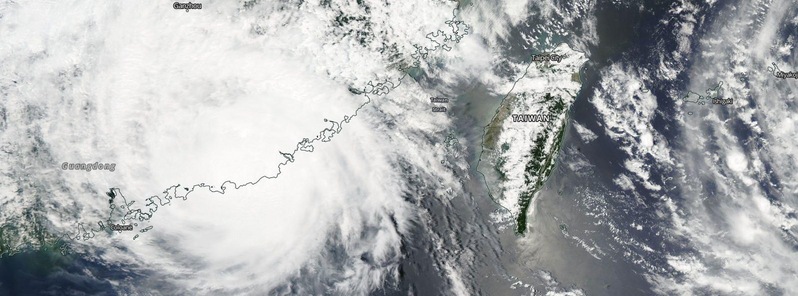
  • Tropical Storm “Linfa” makes landfall in southern China

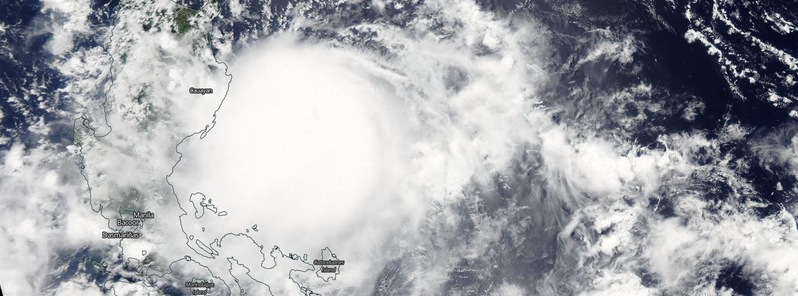
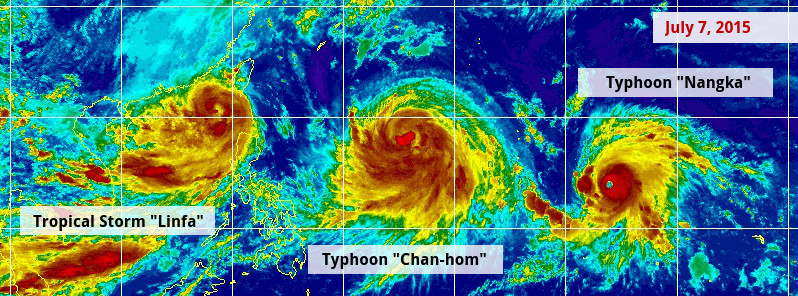
    Tropical Storm "Linfa" hit the province of Guangdong, southern China bringing heavy rain and winds of up to 126 km/h (78.3 mph) around 03:00 UTC on Thursday, July 9, 2015. Linfa is the first of two large storms forecast to hit China this week. Typhoon "Ch

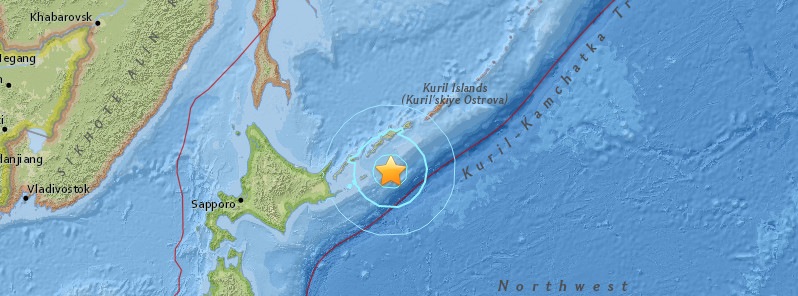
  • Strong and shallow M6.3 earthquake hits Kuril-Kamchatka Trench

    A strong and shallow earthquake registered by JMA as M6.2 at a depth of 20 km (12.4 miles) hit Kuril-Kamchatka Trench at 05:10 UTC on July 7, 2015. USGS registered it as M6.3 at a depth of 38.1 km (23.7 miles).According to the USGS, epicenter was located 99 km (62 miles

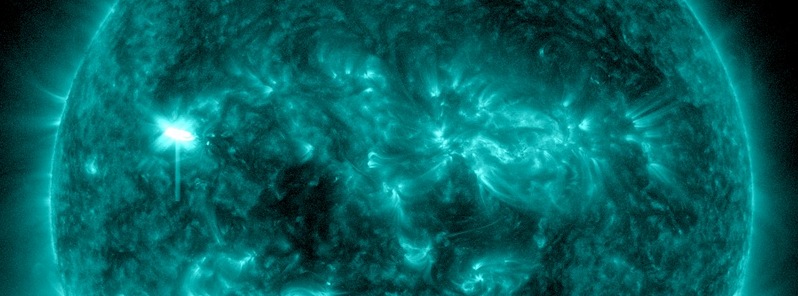
  • Region 2381 rapidly grows, produces M1.0 and M1.8 solar flares

    Beta-gamma classified Region 2381 exhibited rapid growth over the past 24 hours (by 12:30 UtC today) and produced a moderately strong M1.0 solar flare at 08:44 UTC on July 6, 2015. The event started at 08:24 and ended at 08:59 UTC. There were no radio signatures that wo

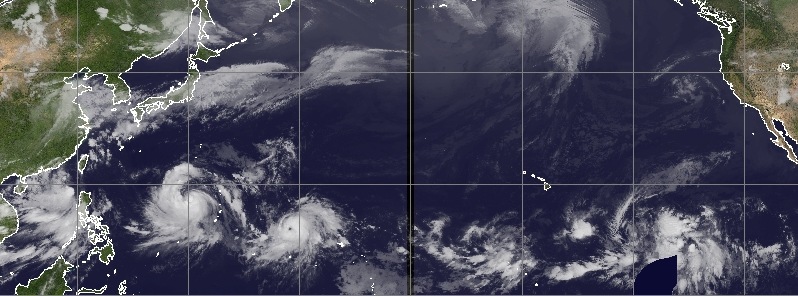
  • 7 tropical systems over North Pacific Ocean

    Satellite imagery from Japan's MTSAT and NOAA's GOES-West satellite show a total of 7 tropical systems over the North Pacific Ocean on July 5 and 6, 2015. Meanwhile, 7-day rainfall accumulation data collected by GPM core observatory shows a very large area of

  • Geomagnetic storming briefly reaches G2-Moderate levels

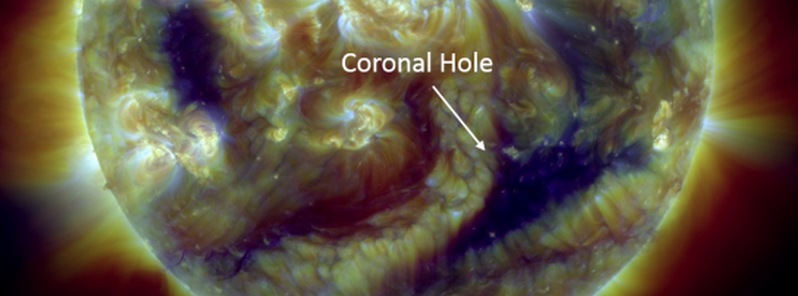
    During the last 24 hours, solar wind parameters reflected an enhanced solar wind environment due to the onset of a co-rotating interaction region (CIR) in advance of a negative polarity coronal hole high speed stream (CH HSS). Solar wind speed increased from initial va