I'm a dedicated researcher, journalist, and editor at The Watchers. With over 20 years of experience in the media industry, I specialize in hard science news, focusing on extreme weather, seismic and volcanic activity, space weather, and astronomy, including near-Earth objects and planetary defense strategies. You can reach me at teo /at/ watchers.news.

  • Rising temperature at Ruapehu’s Crater Lake, New Zealand

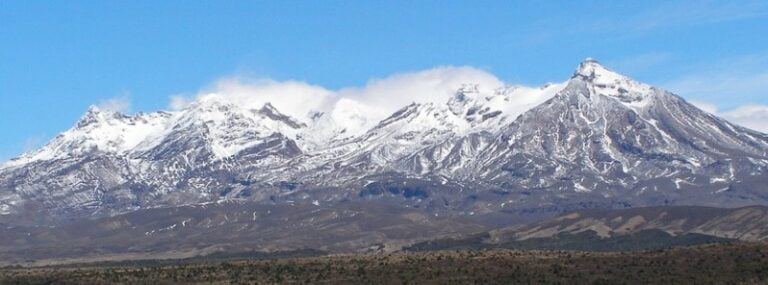
    Recent activity at New Zealand’s Ruapehu volcano has shown an increase in the temperature of the summit Crater Lake, known as Te Wai ā-moe, rising to more than 30 °C (86 °F) and consistent with heat flow into the lake of about 150-200 MW. Despite this, the level of volcanic unrest activity remains low, with monitoring indicators remaining within the normal range for this type of activity. The Volcanic Alert Level remains at Level 1 and the Aviation Color Code remains Green, indicating a low risk of eruption.
  • Winter storm to bring heavy snow to High Plains and Great Lakes, impactful freezing rain possible

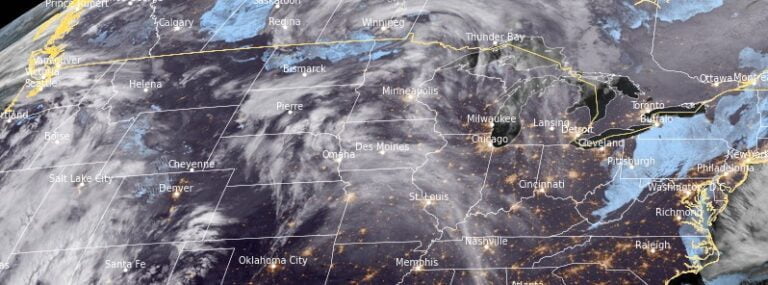
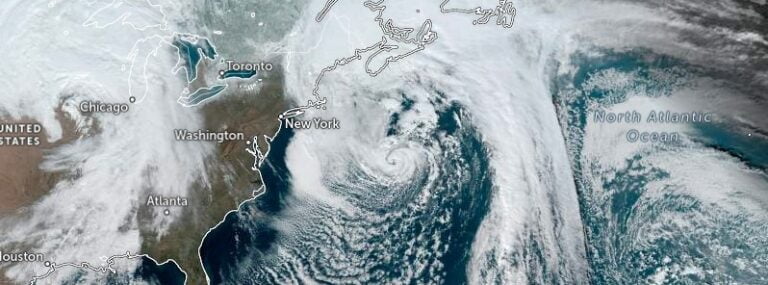
    A winter storm is forecasted to form on Tuesday evening, January 17, 2023, in the eastern regions of Colorado before traversing northeastward through Thursday, January 19. This system is anticipated to bring copious amounts of snowfall to the High Plains region and western Great Lakes area, with the possibility of substantial freezing rain. Expect significant disruptions to travel in affected areas.

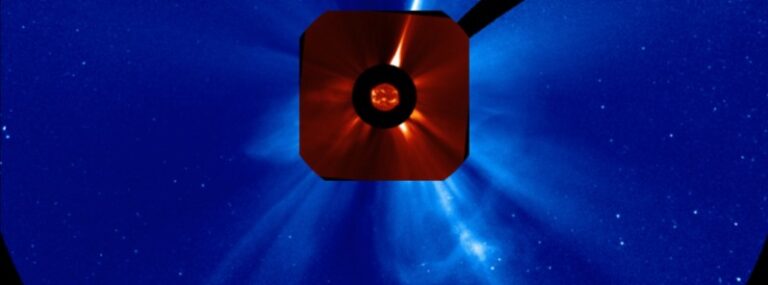
  • A week of intense solar activity: 2 X- and 25 M-class flares, with 2 Earth-directed CMEs

    The period of January 9 to 15, 2023, was marked by intense solar activity, with numerous M and X-class flares being observed. The largest event of the period was an X1.9 flare on January 9, followed by an X1.0 on January 10. There were a total of 2 X-flares and 25 M-flares during the period but only two Earth-directed CMEs were observed from this flurry of activity.

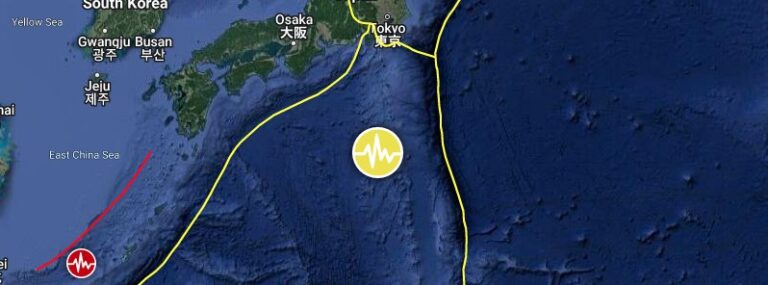
  • Deep M6.1 earthquake hits Bonin Islands region, Japan

    A deep earthquake registered by the JMA as M6.1 hit off the west coast of Ogasawara Islands, Japan at 04:49 UTC on January 16, 2023 (13:49 LT). The agency is reporting a depth of 400 km (248 miles). The USGS is reporting M6.3 at a depth of 405 km (252 miles).

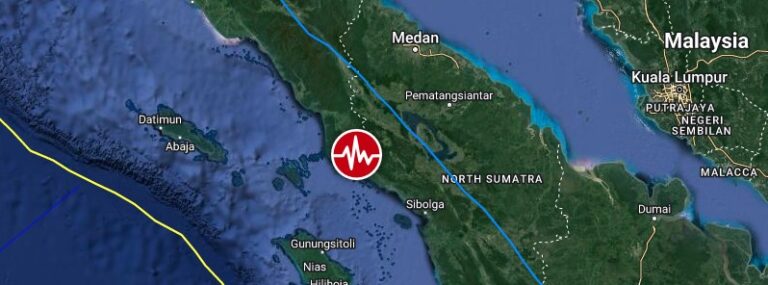
  • Shallow M6.2 earthquake hits northern Sumatra, Indonesia

    A strong and shallow earthquake registered by the BMKG and USGS as M6.2 hit northern Sumatra, Indonesia at 22:29 UTC on January 15, 2023 (05:30 LT, January 16). BMKG is reporting a depth of 23 km (14.3 miles) and USGS 37 km (23 miles).

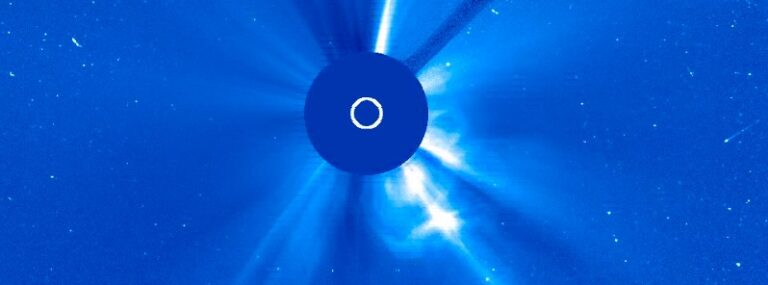
  • Increased solar activity – glancing blow possible on January 19

    Solar activity reached high levels in the past 24 hours, with the strongest event being an M6.0 flare from Region 3191. This event was accompanied by a Type II radio sweep and a Coronal Mass Ejection (CME) signature, however, analysis and modeling indicate that no Earth-directed component was produced. A CME was also observed off the southwest limb at 22:00 UTC on January 14, with analysis and modeling suggesting the possibility of a glancing blow on January 19.

  • Asteroid 2023 AV flew past Earth at just 0.04 LD on January 12

    A newly-discovered asteroid designated 2023 AV flew past Earth at a distance of just 0.04 LD / 0.00010 AU (15 551 km / 9 663 miles) from the center of our planet at 20:09 UTC on January 12, 2023. That’s approximately 9 180 km (5 704 miles) from the surface.

  • Tornado outbreak in Alabama leaves extensive damage and at least 6 people dead

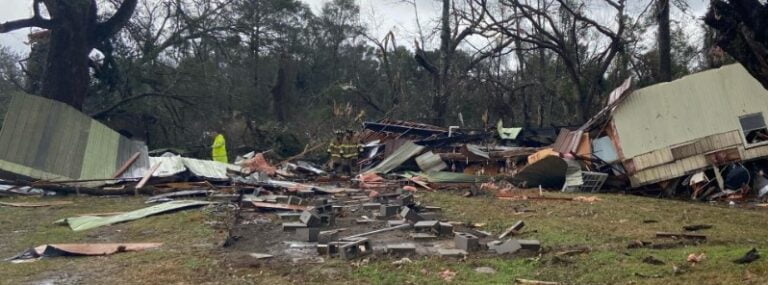
    A severe weather outbreak in the Southeast United States on Thursday, January 12, 2023, has left at least seven people dead, several injured, and extensive damage in its wake. A series of tornadoes in central Alabama killed at least six people and in Georgia, a passenger in a vehicle was killed when a tree fell on the car during a severe storm.