Very bright fireball over Oklahoma, sonic boom reported, U.S.
A very bright fireball was reported over northern Oklahoma at 09:37 UTC on January 20, 2023. The event was followed by a sonic boom.


I'm a dedicated researcher, journalist, and editor at The Watchers. With over 20 years of experience in the media industry, I specialize in hard science news, focusing on extreme weather, seismic and volcanic activity, space weather, and astronomy, including near-Earth objects and planetary defense strategies. You can reach me at teo /at/ watchers.news.
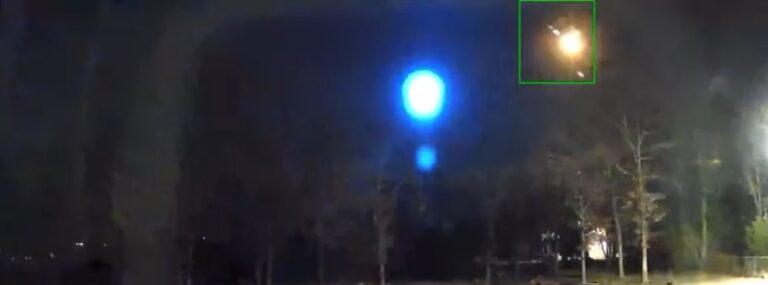
A very bright fireball was reported over northern Oklahoma at 09:37 UTC on January 20, 2023. The event was followed by a sonic boom.

An avalanche hit southwest China’s Tibet Autonomous Region at 19:50 LT on January 17, 2023, burying multiple vehicles and killing at least 28 people as of January 20. The avalanche occurred on a section of road between Pai village in Mainling county and the Doxong La tunnel in Medog county, leaving people trapped in their vehicles as snow engulfed the exit of the tunnel.
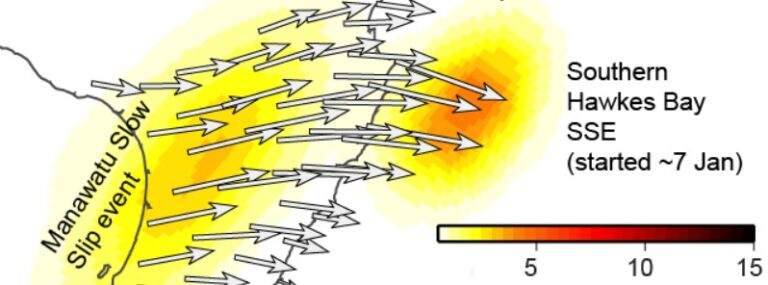
Another slow-motion earthquake, or “slow slip event,” is now underway on the Hikurangi subduction plate boundary offshore the North Island’s east coast. The amount of slow slip movement during the last month has released energy equivalent to a magnitude 7 earthquake.

A stronger-than-usual eruption took place at Popocatepetl volcano, Mexico at around 13:38 UTC (07:38 LT) on January 21, 2023.
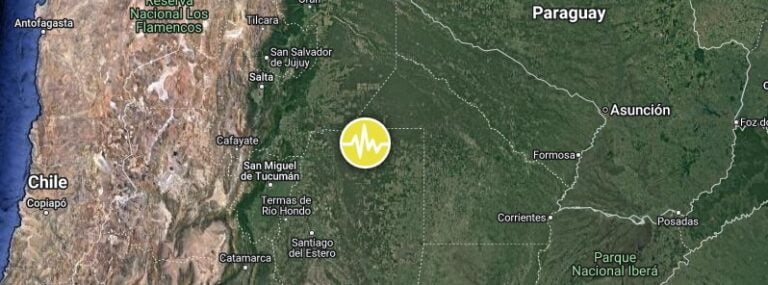
A very deep earthquake registered by the USGS and EMSC as M6.8 hit northern Argentina at 22:09 UTC on January 20, 2023. The depth of the earthquake was reported as 610.7 km (379 miles) by the USGS, and 586 km (364 miles) by the EMSC.

A recent research article published in MDPI Atmosphere studied the features of various sources of disturbances in the atmospheric electric field at the Tien-Shan high-mountain station and established a statistical relationship between solar and thunderstorm activity.
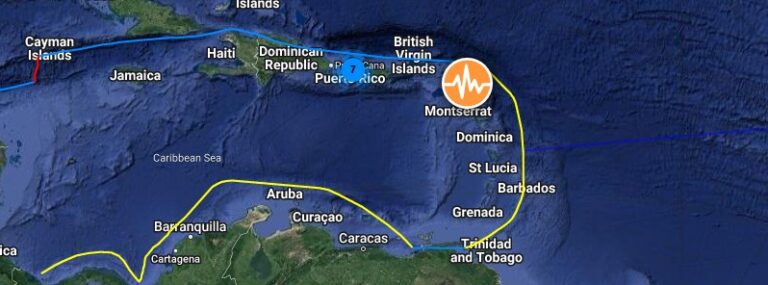
A strong earthquake registered by the USGS as M6.2 hit near the west coast of Guadeloupe at 11:23 UTC on January 20, 2023. The agency is reporting a depth of 165 km (102 miles). EMSC is reporting the same magnitude and depth.
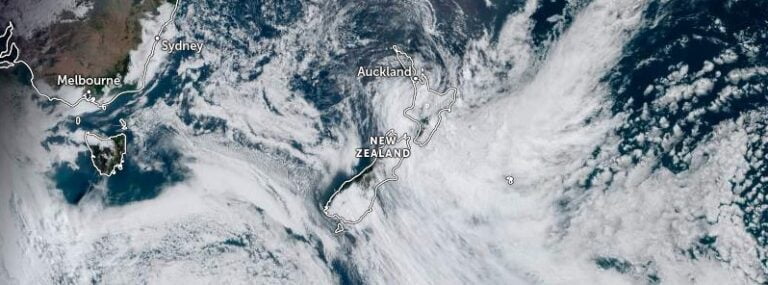
After a run of particularly wet weather for New Zealand’s Gisborne region, one location has beaten its record for the highest January rainfall since 1937.
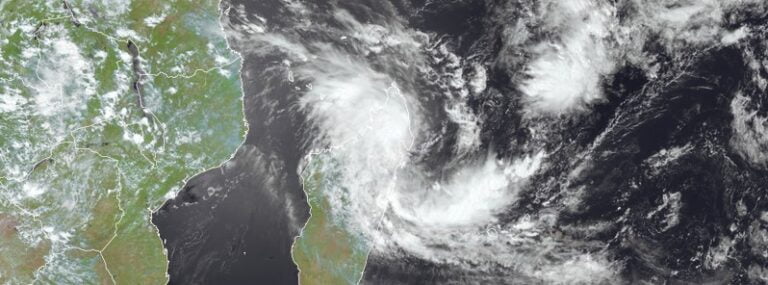
Tropical Cyclone “Cheneso” formed around 12:00 UTC on January 18, 2023, as the fourth named storm of the 2022/23 Southwest Indian Ocean cyclone season.

New activity/unrest was reported for 5 volcanoes from January 11 – 17, 2023. During the same period, ongoing activity was reported for 15 volcanoes.
