I'm a dedicated researcher, journalist, and editor at The Watchers. With over 20 years of experience in the media industry, I specialize in hard science news, focusing on extreme weather, seismic and volcanic activity, space weather, and astronomy, including near-Earth objects and planetary defense strategies. You can reach me at teo /at/ watchers.news.

  • NWS warns of severe thunderstorms and flash flooding across central states

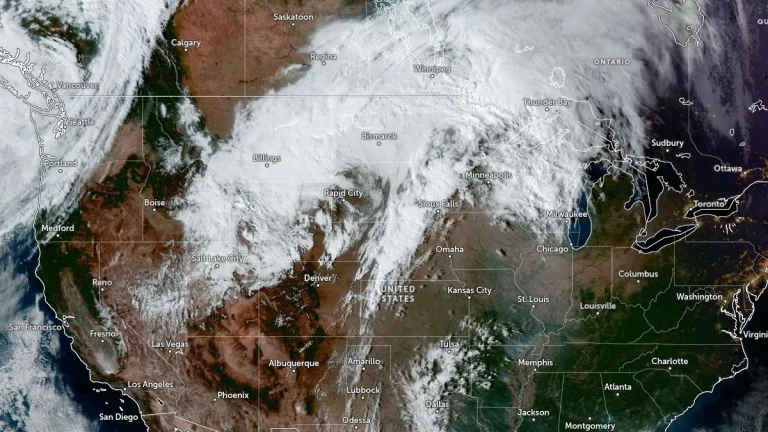
    A slow-moving storm system is tracking across the central United States and will continue through the weekend, bringing widespread showers and thunderstorms from the Great Lakes to the Mid-South. The National Weather Service (NWS) has issued Slight Risk areas for severe thunderstorms and excessive rainfall on Saturday, October 18, 2025, extending from the Ozarks into the mid-Mississippi River Valley, with potential for damaging winds, large hail, isolated tornadoes, and flash flooding.
  • Strong M6.1 earthquake hits Mindanao, Philippines

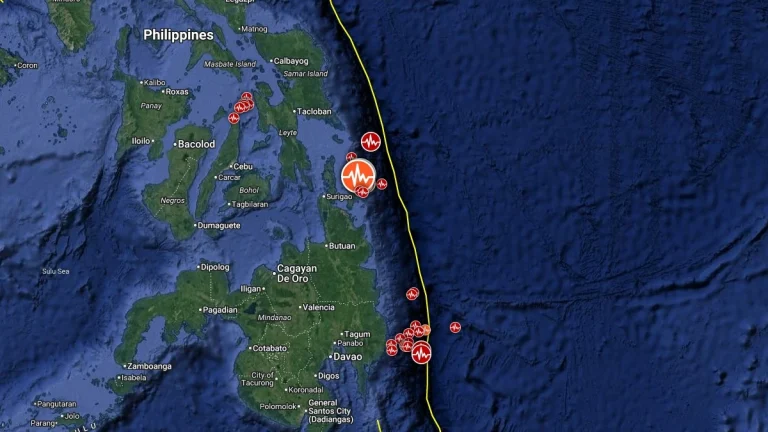
    A strong earthquake registered by the USGS as M6.1 struck near Union, Mindanao, Philippines at 23:03 UTC on October 16, 2025 (07:03 LT, October 17). The agency is reporting a depth of 69 km (42.9 miles). EMSC is reporting M6.1 at a depth of 59 km (36.6 miles). There is no tsunami threat from this earthquake.

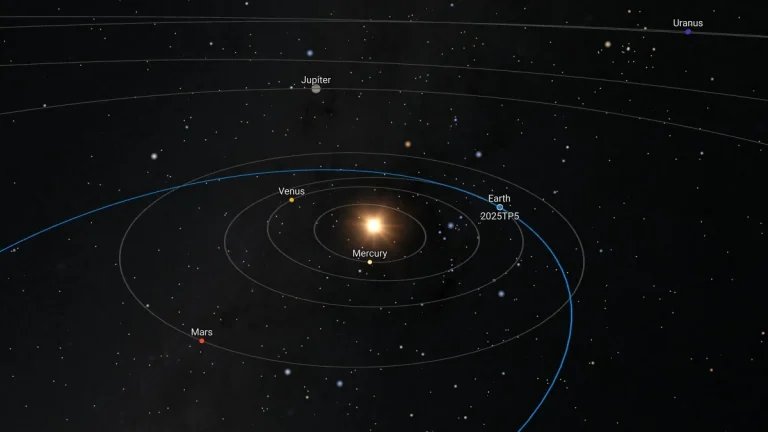
  • Unusual nickel and cyanide emissions detected around interstellar object 3I/ATLAS

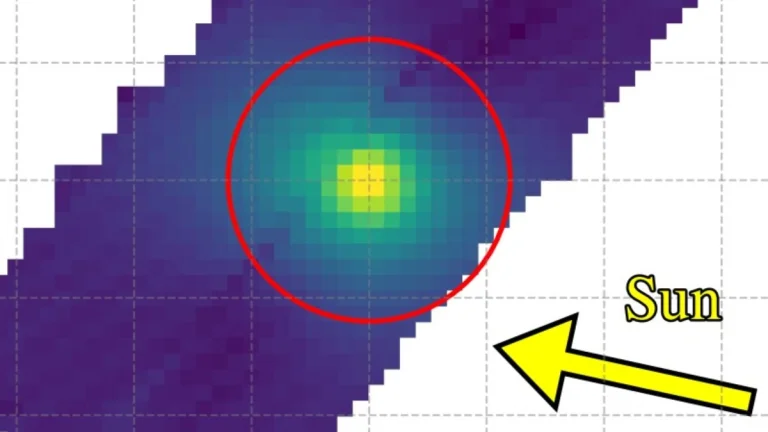
    Spectroscopic observations with the Keck II telescope in Hawaii revealed distinct nickel and cyanide emissions surrounding the interstellar object 3I/ATLAS, extending several hundred kilometers from its nucleus. The data, presented by Hoogendam et al. (2025) and summarized by astrophysicist Avi Loeb, show an anomalous concentration of nickel and an absence of iron lines—behavior unseen in known comets. These results, together with earlier Hubble images showing an anti-tail oriented toward the Sun, further reinforce the object’s unusual nature.

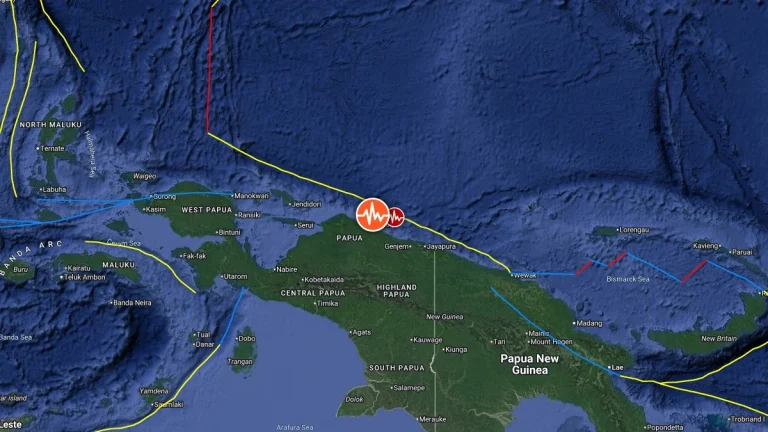
  • Strong and shallow M6.5 earthquake hits Papua, Indonesia

    A strong and shallow earthquake registered by the USGS as M6.5 hit Papua, Indonesia at 05:48 UTC on October 16, 2025. The agency is reporting a depth of 35 km (21.7 miles). EMSC is reporting M6.5 at a depth of 11 km (6.8 miles). According to the Pacific Tsunami Warning Center (PTWC), there is no tsunami threat from this event.

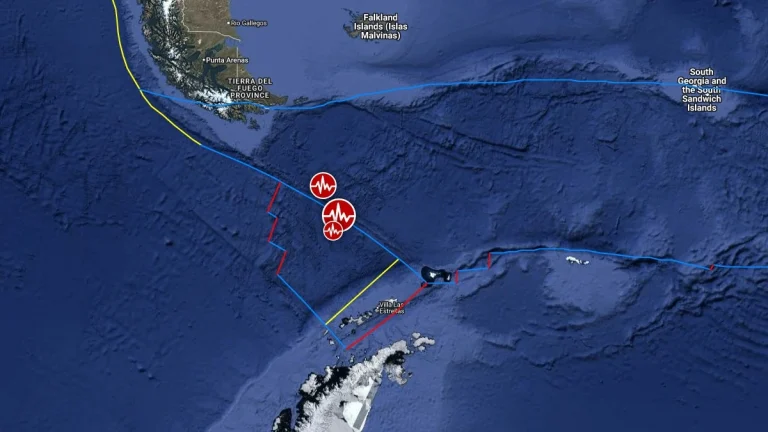
  • Strong and shallow M6.3 earthquake hits Drake Passage

    A strong and shallow earthquake registered by the USGS as M6.3 hit Drake Passage at 01:42 UTC on October 16, 2025. The agency is reporting a depth of 10 km (6.2 miles). EMSC is reporting M6.3 at a depth of 20 km (12.4 miles). No tsunami warnings have been issued.

  • High-level eruption at Lewotobi volcano, Indonesia

    A high-level eruption occurred at Lewotobi Laki-laki volcano on Flores Island, Indonesia, at 23:37 WITA (15:37 UTC) on October 14, 2025, producing an ash column rising to 13 700 m (44 500 feet) above sea level. The Darwin Volcanic Ash Advisory Center (VAAC) raised the Aviation Color Code to Red after Himawari-8 satellite imagery confirmed ash extending northwest at approximately 28 km/h (17 mph).

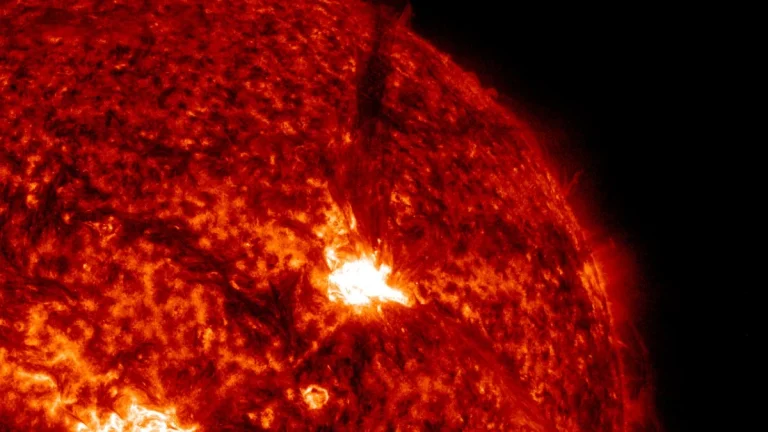
  • Multiple CMEs heading toward Earth, impacts expected between October 15 and 17

    Two coronal mass ejections (CMEs) launched from Active Region 4246 on October 13, 2025, are heading toward Earth and are expected to impact Earth over the next couple of days, according to NOAA’s Space Weather Prediction Center (SWPC). Model output indicates arrival around mid to late October 17, though forecasters note a possible earlier impact as both CMEs interact with earlier ejecta from the same region.

  • ESA confirms controlled reentry plan for Cluster satellite Rumba on October 22

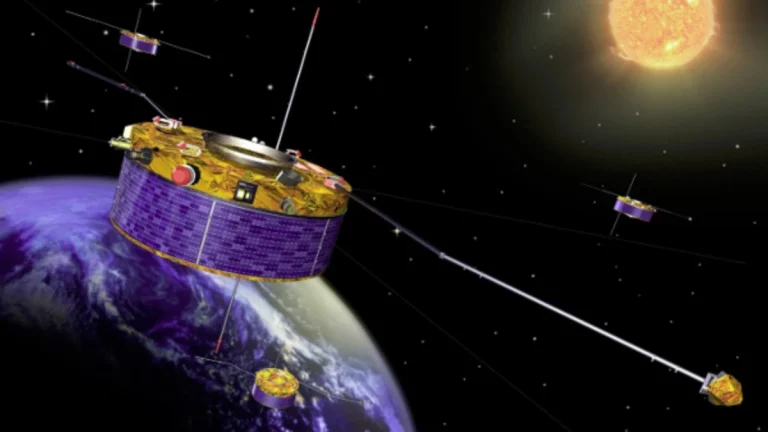
    ESA is preparing the second targeted atmospheric reentry of its long-running Cluster mission, with the spacecraft Rumba expected to descend into Earth’s atmosphere over a remote region of the South Pacific Ocean on October 22, 2025. The maneuver will follow the first controlled reentry of Salsa in September 2024 and continues ESA’s program to end the 24-year mission through precise, safe disposal of each satellite.