• New eruption of Mount Soputan, Indonesia

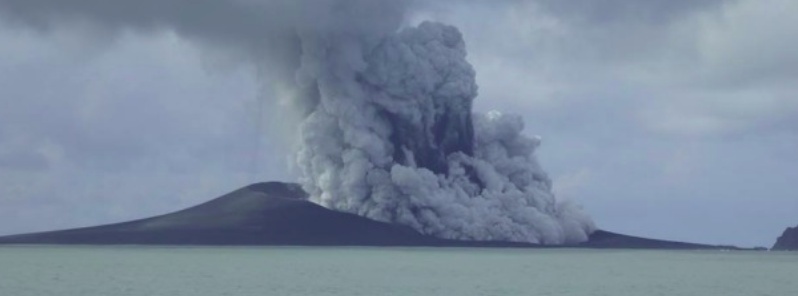
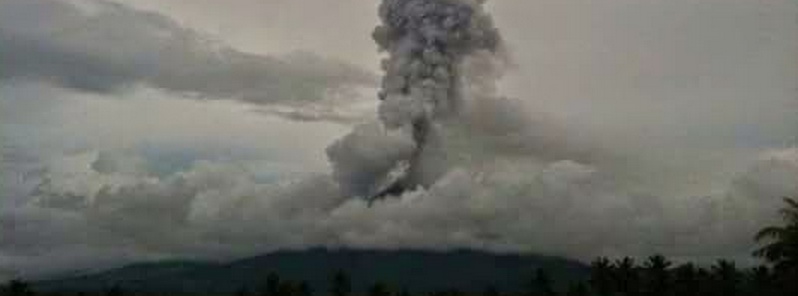
    Indonesian Mount Soputan erupted at 03:38 UTC (11:38 local time) on January 18, 2015 producing ash plume which rose up to 5.5 km and drifted SW. Darwin VAAC raised the aviation color code to Red. Satupo Purwo Nugroho, Head of Data Information and Public Relations for BN

  • 2015 longer by a leap second

    At 23:59:60 UTC on June 30, 2015, a Leap Second will be added, making this day last for 86401 seconds instead of the usual 86400. This practice started in 1972 and since then a total of 25 leap seconds were added to the UTC time, last one in 2012. Correction of each UTC

  • Electrically active objects dominate the Solar System

    Small planetoids, called Near Earth Objects (NEO), are a concern for space scientists because it is thought that large rocks might strike our planet with devastating force. It is a commonly held belief that such an object caused the extinction of the dinosaurs. The

  • Asteroid 2004 BL86 to safely flyby Earth on January 26

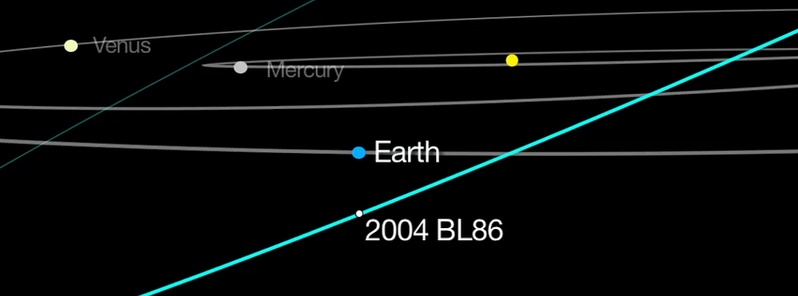
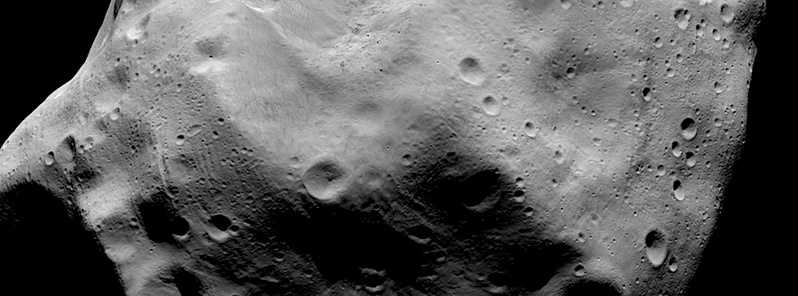
    Asteroid 2004 BL86 will flyby our planet at a safe distance of approximately 1.2 million km (745 000 miles) at 16:20 UTC on January 26, 2015. This is about three times the distance of Earth to the Moon. Based on its reflected brightness, astronomers estimate that this a

  • Can organic crops compete with industrial agriculture?

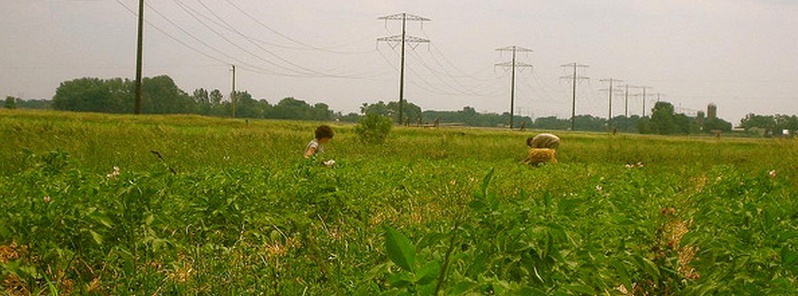
    A systematic overview of more than 100 studies comparing organic and conventional farming finds that the crop yields of organic agriculture are higher than previously thought. The study, conducted by UC Berkeley researchers, also found that certain practices could furth

  • A yearlong look at asteroids and comets by NEOWISE

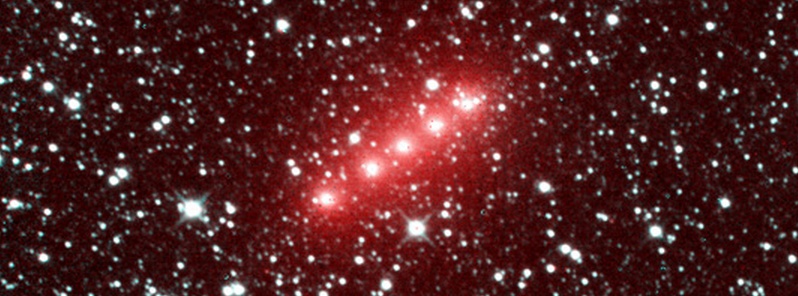
    NASA's Near-Earth Object Wide-field Survey Explorer or NEOWISE spacecraft, a space telescope that scans the skies for asteroids and comets, discovered and characterized 40 near-Earth objects (NEOs) in the first year after the mission was re-started in December