• Fluorescent blue, harmful algal bloom along the Hong Kong shores

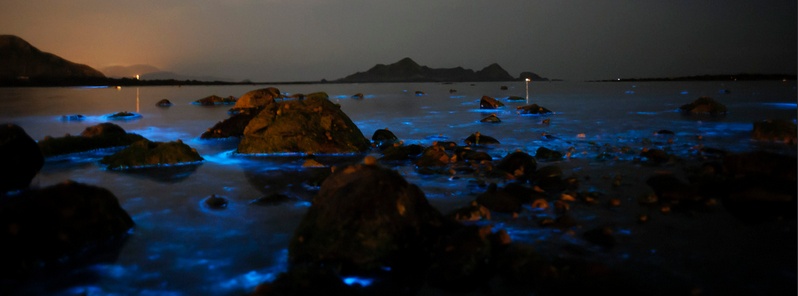
    A bioluminescent algal bloom created by Noctiluca scintillans, commonly known as Sea Sparkle, is turning Hong Kong's seashores into a spectacular and disturbing sight this week. Scientists say the fluorescent blue glow is an indicator of a harmful algal bloom. Altho

  • 67P – The violent birth of a comet

    The electric comet idea forces us to consult the astronomical testimony of our earlier forebears, where independent accounts, told with different words and different symbols in different parts of the world, convey a story of planetary catastrophe. Watch Update #1: The R

  • A 3D view of the age and structure of the Greenland Ice Sheet

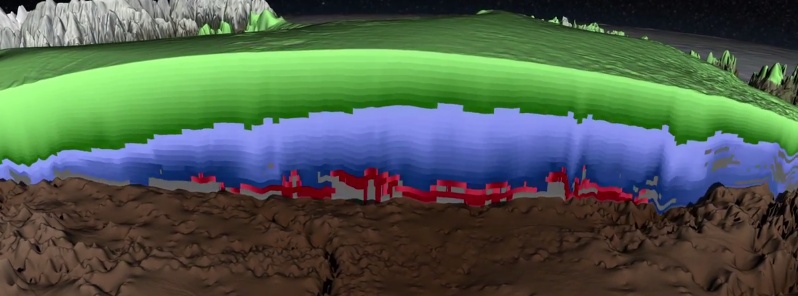
    Scientists using ice-penetrating radar data collected by NASA’s Operation IceBridge and earlier airborne campaigns have built the first-ever comprehensive map of layers deep inside the Greenland Ice Sheet. This new map allows scientists to determine the age of lar

  • Very strong and deep M6.8 earthquake hits off Vanuatu

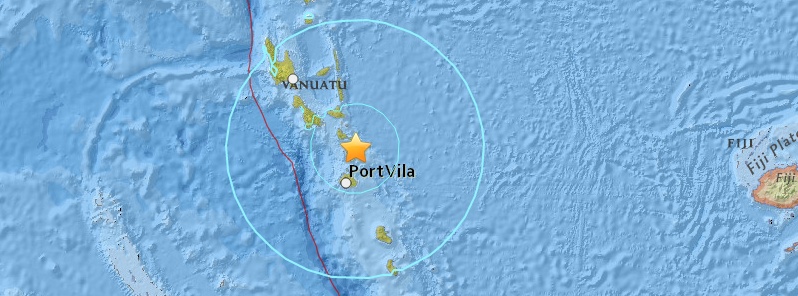
    A very strong and deep M6.8 earthquake was registered off the Pacific island of Vanuatu at 03:47 UTC on January 23, 2015. USGS is reporting depth of 218.5 km (135.7 miles). Geoscience Australia is reporting M6.5 at a depth of 201 km (124 miles).According to USGS, epicen

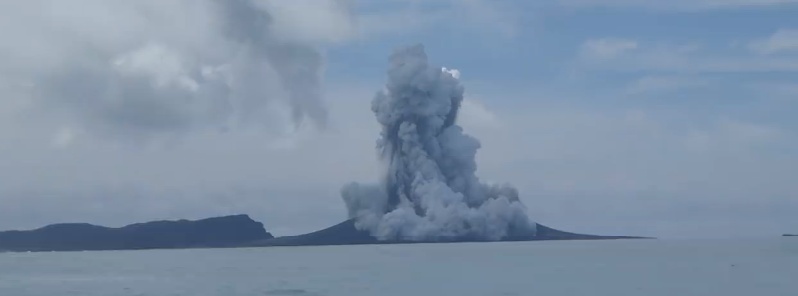
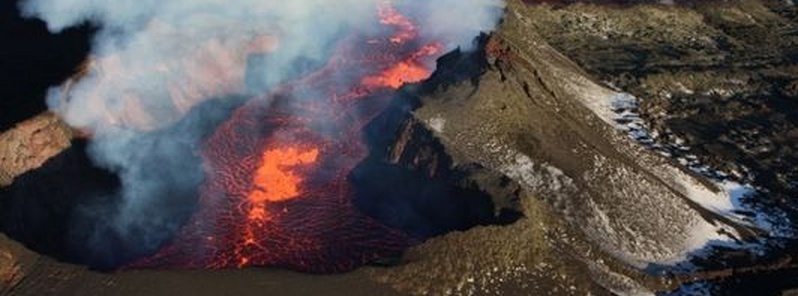
  • Active volcanoes in the world: January 14 – 20, 2015

    New activity was observed at 8 volcanoes from January 14 – 20, 2015. During the same period, ongoing activity was reported for 11 volcanoes.New activity/unrest: Colima | Mexico | Etna | Sicily (Italy) | Hunga Tonga-Hunga Ha'apai, Tonga Islands | Karymsky, Easte

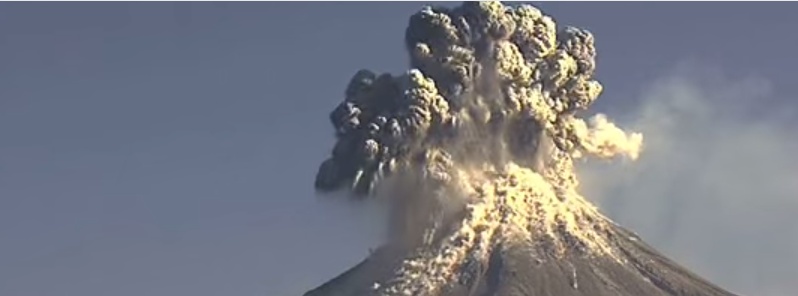
  • Strong eruption of Mexican Colima volcano, ash up to 8.8 km

    A brief and strong vulcanian-type explosion occurred at Mexican Colima volcano at 15:15 UTC (09:15 local time) on January 21, 2015. At 17:00 UTC, Washington VAAC said an ash column reached an estimated 8.8 km altitude and was moving NE at 46 km/h.The eruption generated

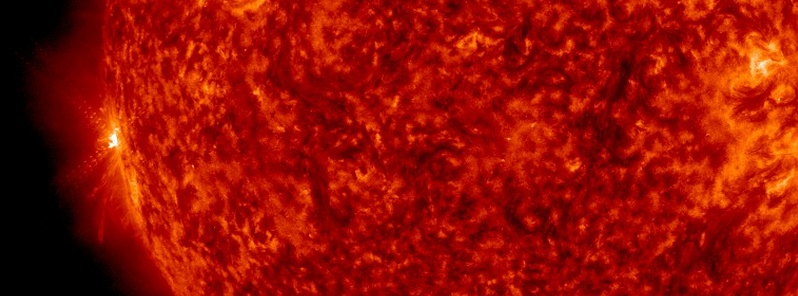
  • Newly numbered Region 2268 produced a moderate M1.4 solar flare

    Newly numbered Region 2268 (S10E72, Hax/alpha) produced a moderate M1.4 solar flare on January 22, 2015, just as it began rotating onto the Southeast limb.The event started at 04:43, peaked at 04:52 and ended at 05:02 UTC.There were no signatures that would suggest a Co