• How strike-slip faults form, the origin of earthquakes

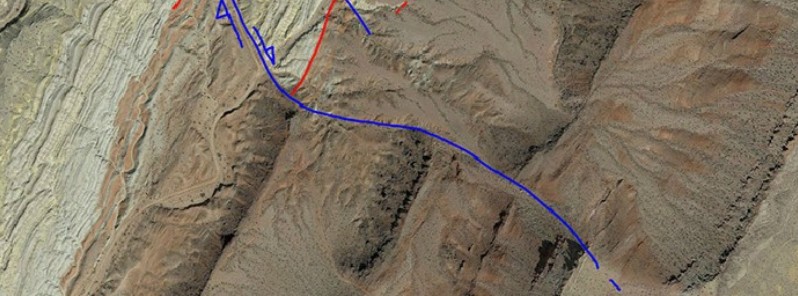
    Structural geologist Michele Cooke calls it the "million-dollar question" that underlies all work in her laboratory at the University of Massachusetts Amherst: what goes on deep in the earth as strike-slip faults form in the crust? This is the fault type…
  • Study finds Earth’s magnetic field ‘simpler than we thought’

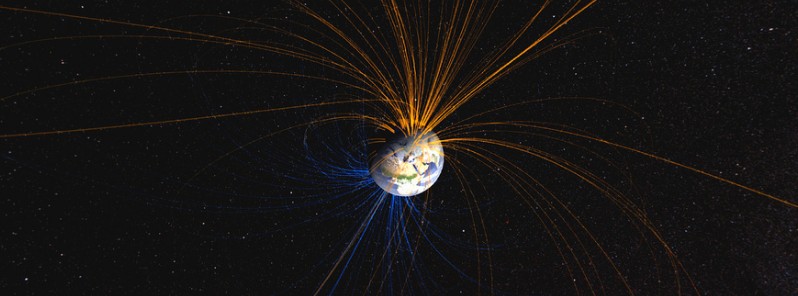
    Scientists have identified patterns in the Earth’s magnetic field that evolve on the order of 1 000 years, providing new insight into how the field works and adding a measure of predictability to changes in the field not previously known. The discovery also…

  • Steep drop in natural and human-caused fires worldwide

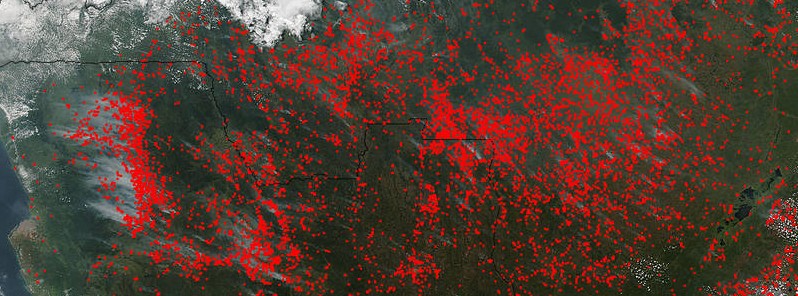
    Researchers using NASA satellites to detect fires and burn scars from space have found that an ongoing transition from nomadic cultures to settled lifestyles and intensifying agriculture has led to a steep drop in the use of fire for land clearing and an overall…

  • Previously unknown extinction of marine megafauna discovered

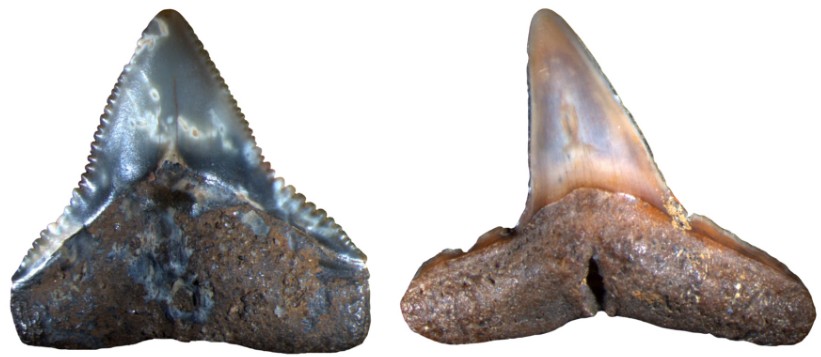
    Over two million years ago, a third of the largest marine animals like sharks, whales, sea birds and sea turtles disappeared. This previously unknown extinction event not only had a considerable impact on the Earth’s historical biodiversity but also on the…

  • Sound waves direct particles to self-assemble, self-heal

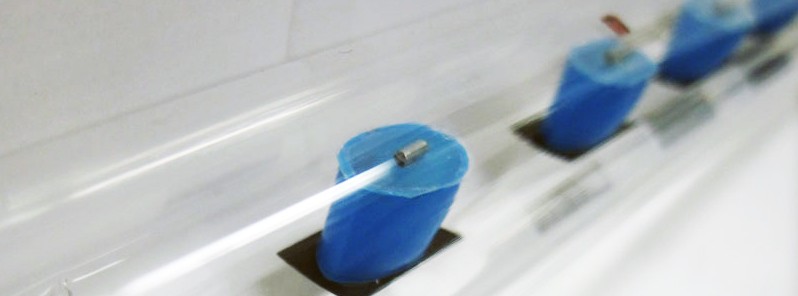
    An elegantly simple experiment with floating particles self-assembling in response to sound waves has provided a new framework for studying how seemingly lifelike behaviors emerge in response to external forces. Scientists at the Department of Energy’s…

  • Distant earthquakes can cause underwater landslides

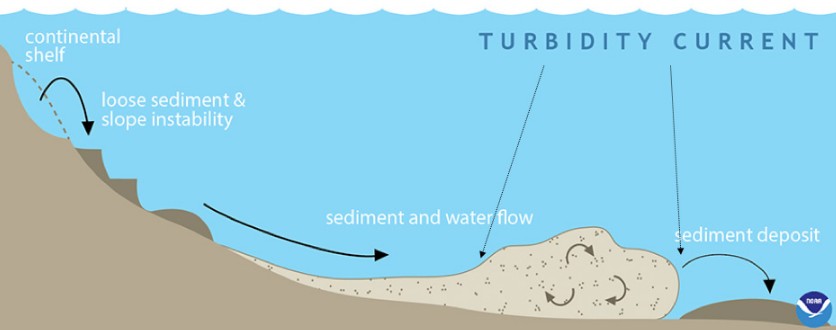
    New research finds large earthquakes can trigger underwater landslides thousands of miles away, weeks or months after the quake occurs. Researchers analyzing data from ocean bottom seismometers off the Washington-Oregon coast tied a series of underwater landslides…

  • Study suggests another large planetary body exists in Solar System

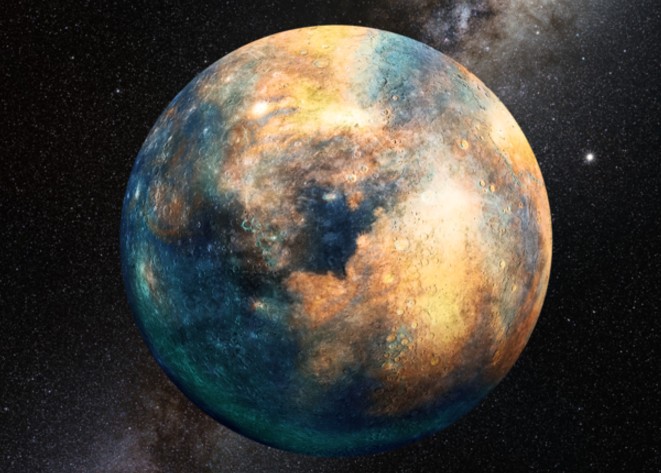
    A new study from the University of Arizona suggests that an unknown, and currently unseen planetary body exists in the outer reaches of our solar system. The planet is located far beyond Pluto and has a mass somewhere between that of Mars and Earth. This object is…

  • How large-scale water cycles influence quake activity in California

    A new study shows how seasonal changes in large-scale water cycles in California influence small-scale quake activity. It confirms that the annual hydrological loading cycle modulates microseismicity in California. The results of the study reveal how snow, rain,…

  • Our sun had a twin when it was born, study

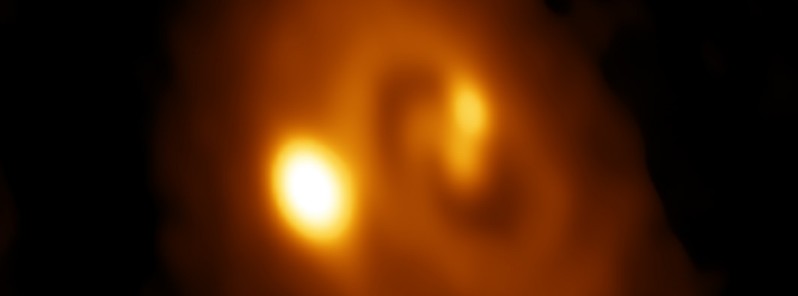
    According to a new analysis by a theoretical physicist from UC Berkley and a radio astronomer from the Smithsonian Astrophysical Observatory at Harvard University, our sun, as well as every other sunlike star in the universe, had a twin when it was born. Astronomers…