Powerful tornado rips through Mangawhai, New Zealand
A powerful tornado swept through the Mangawhai village in New Zealand on Sunday, January 26, 2025, damaging more than 50 properties and leaving 2 people seriously injured.

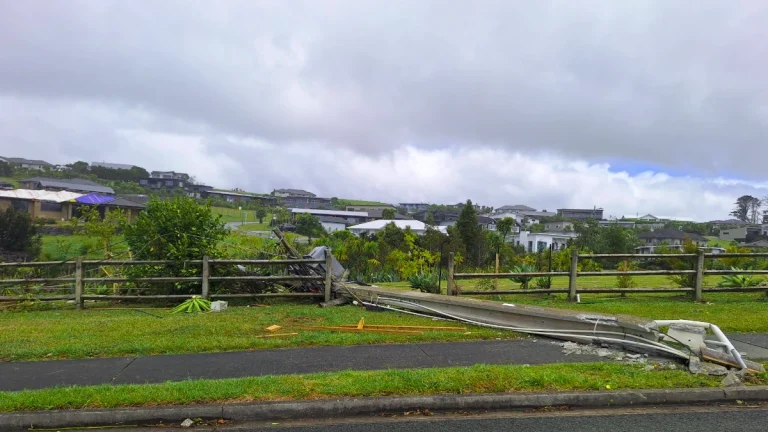
A powerful tornado swept through the Mangawhai village in New Zealand on Sunday, January 26, 2025, damaging more than 50 properties and leaving 2 people seriously injured.
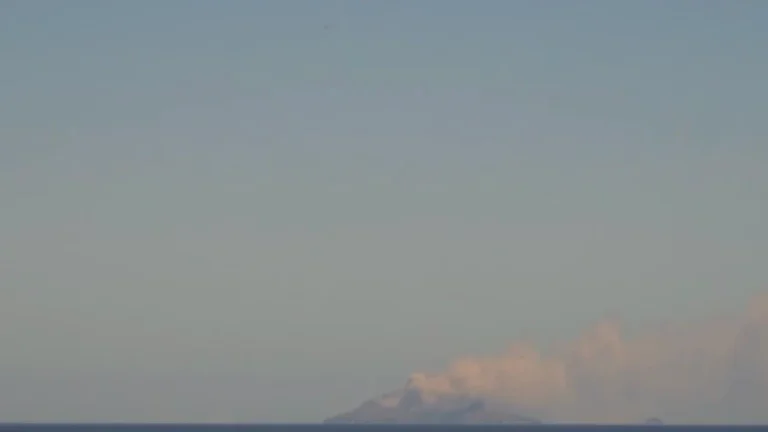
Weak to moderate steam and gas plumes with traces of volcanic ash continue at White Island volcano, New Zealand, on January 13, 2025. The Alert Level remains at 2 while the Aviation Color Code has been raised to Orange.

A slow-slip earthquake (SSE) event has been occurring near New Zealand’s Hawke’s Bay, along the Hikurangi Subduction Zone since early December.
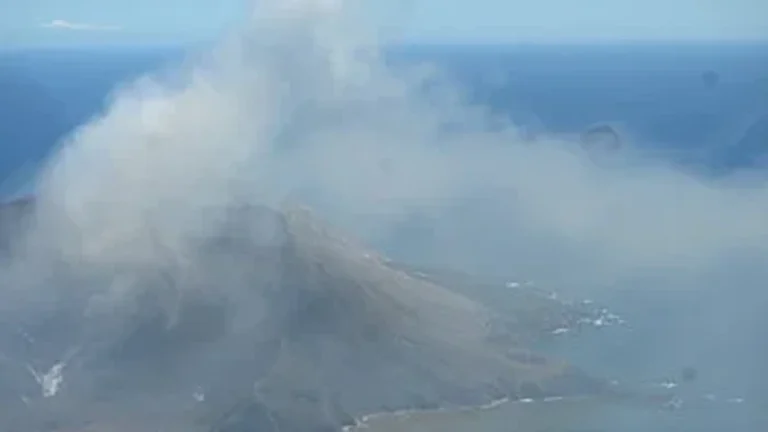
The Aviation Color Code for White Island volcano in New Zealand was raised to Orange on December 16, 2024, following observations of occasional volcanic ash emissions alongside larger steam and gas plumes on December 14. The activity could lead to a new eruptive episode. The Volcanic Alert Level remains at 2.
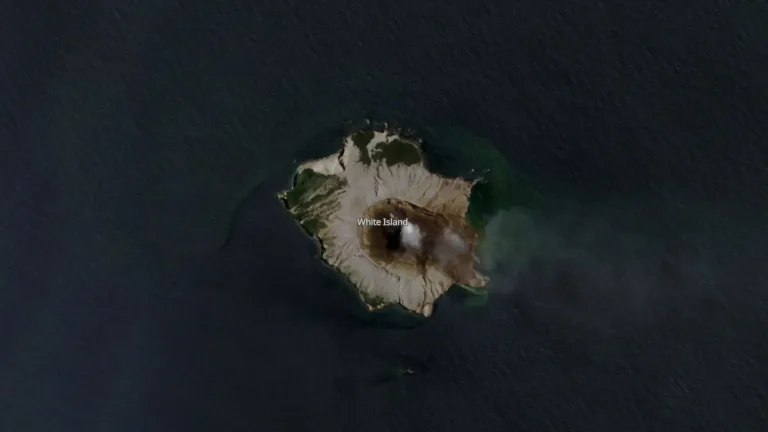
Larger steam and gas plumes have been detected at Whakaari/White Island volcano, New Zealand since December 10, 2024. The Volcanic Alert Level remains at 2 and the Aviation Color Code is maintained at Yellow. No ash emissions have been detected so far.
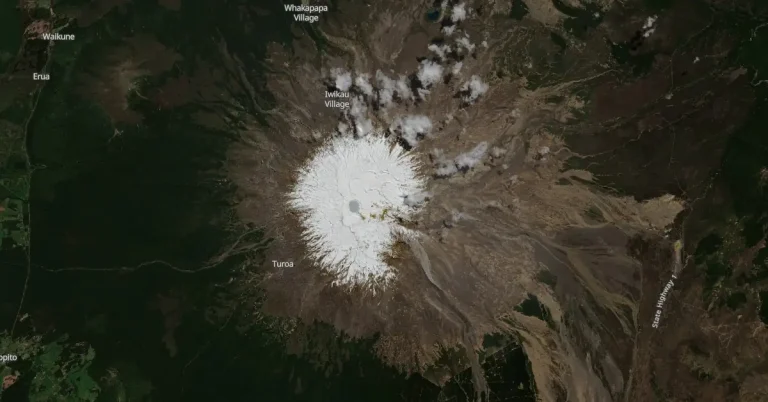
Te Wai ā-moe, the Crater Lake of Ruapehu volcano in New Zealand, is experiencing a mild heating trend, with temperatures rising from 8 °C (46.4 °F) to approximately 10 – 11 °C (50 – 51.8 °F). The recent changes have been noted in late October 2024, following several months of cooling that began in February of the same year.
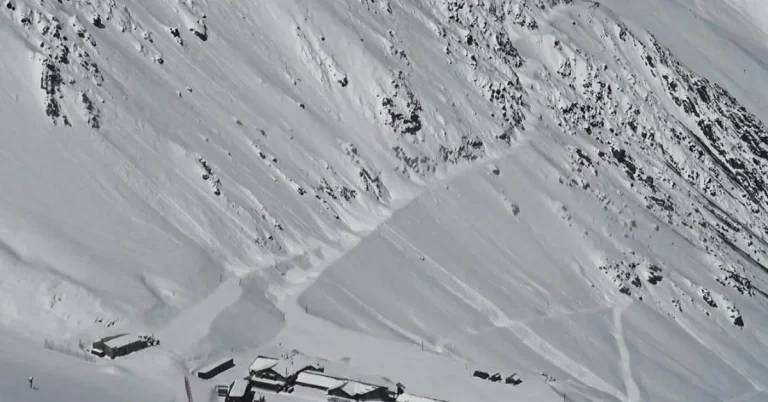
Mount Hutt skifield in New Zealand received nearly a meter (3 feet) of unexpected late-season snow, creating snowdrifts as high as 5 m (16 feet), which could prompt a rare reopening. The snowfall occurred over the long holiday weekend, peaking on October 26, 2024.
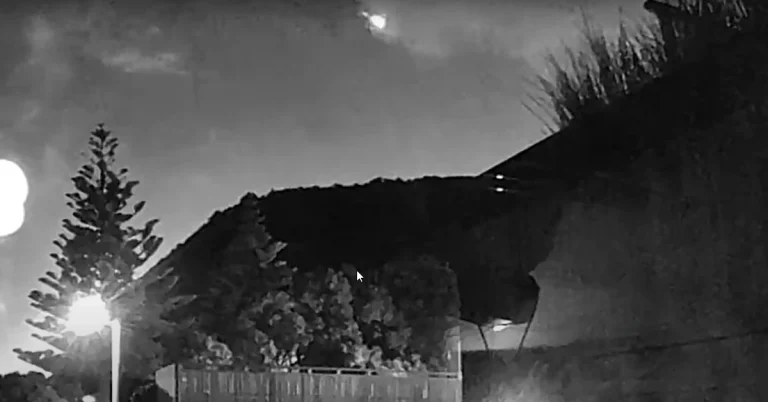
A bright fireball was observed over the skies of New Zealand on Sunday, October 27, 2024, at around 07:53 UTC.
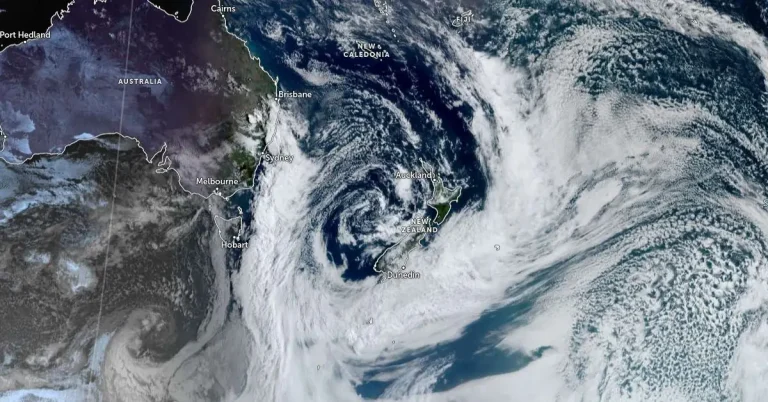
Dunedin has recorded its wettest day of the century, with a staggering 130.8 mm (5.15 inches) of rain falling in just 24 hours between October 3 and October 4, 2024, as a moisture plume from the Tasman Sea drenched parts of New Zealand’s Otago region.
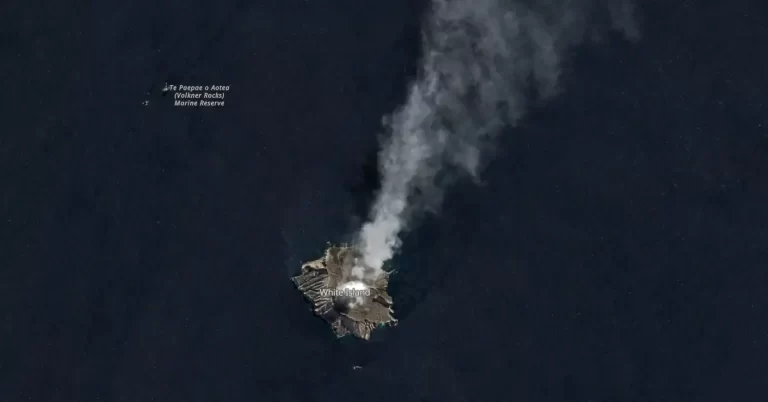
Satellite imagery has captured a continuous low-level eruption at New Zealand’s White Island volcano, with an ash plume rising to 2 100 m (7 000 feet) above sea level and drifting southeast at 9 km/h (5 mph) on Thursday, August 22, 2024. The eruption prompted 10 flight cancellations, according to Air New Zealand.
