Southern Europe restricts drinking water access
Governments from Portugal to Italy are calling on citizens to limit water use to a bare minimum due to severe drought and scarce rainfall.


Governments from Portugal to Italy are calling on citizens to limit water use to a bare minimum due to severe drought and scarce rainfall.

As the energy crisis in Europe continues deepening, the EU countries that depend on Russian gas have signaled a shift back to coal and started triggering emergency plans that could lead to natural gas rationing ahead of the 2022/23 winter season.
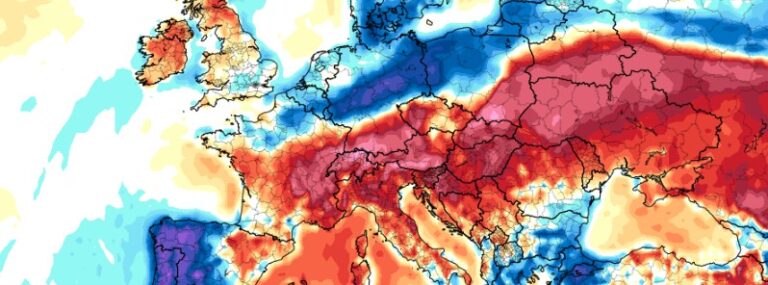
Large swaths of Europe experienced an early-season heatwave over the weekend, with temperatures more than 40 to 43 °C (104 – 110 °F) and numerous daily, monthly and all-time records broken. As those records were falling, a sharp temperature contrast first observed in the UK and NW Germany, fueled severe thunderstorms which are forecast to impact an area from France to Serbia on June 20 and 21.
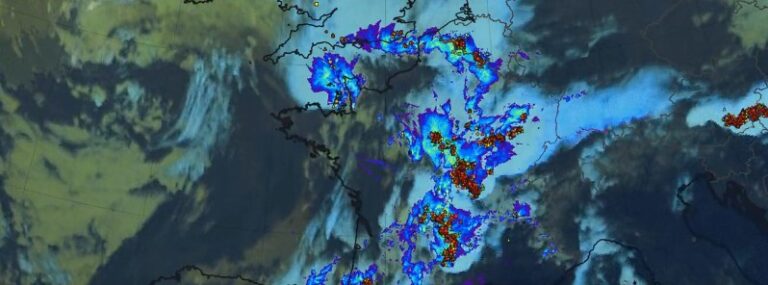
Severe thunderstorms brought heavy rain and up to tennis ball-sized hail to France on June 3 and 4, 2022, wreaking havoc in vineyards across large parts of the country, leaving thousands of homes without power, one person dead and 15 injured – two of them seriously.

Eurozone inflation in April 2022 is expected to be 7.5%, hitting a record high for the sixth consecutive month.

Between soaring food prices and feed shortages, the war in Ukraine has rocked the EU’s agri-food sector and thrown an age-old issue back into the limelight: food security.
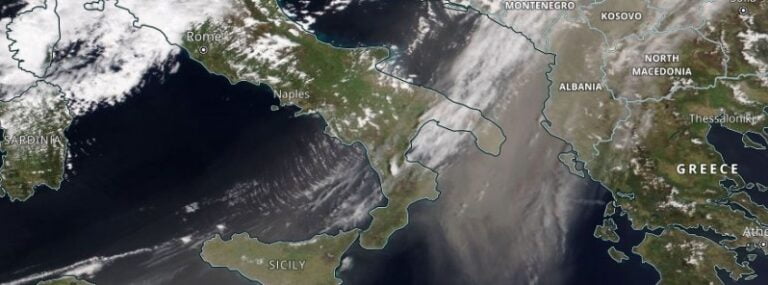
A huge cloud of Saharan dust is moving over the Mediterranean Sea into Italy and southeastern Europe on April 24, 2022.
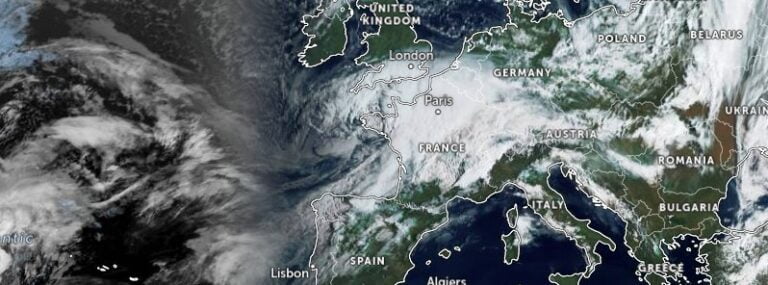
A strong windstorm named Storm Diego by Instituto Português do Mar e da Atmosfera (IPMA) on April 6, 2022, is expected to bring heavy rain, strong winds and snow to France as it begins to move eastward across the country at around midday April 8. Diego will also affect Spain and reach Germany overnight Saturday. It is not expected to impact Portugal directly but it will bring heavy rain to certain parts of the country.

Unseasonably cold weather hit parts of Europe over the past weekend, following warmer-than-normal temperatures in previous weeks that caused rapid greening of flora. Damage to agriculture is widespread but it seems it’s not as bad as it was last year when a similar cold episode happened. The worst affected countries were France, Germany, Spain and Austria.

At least 6 people have been killed after a powerful winter storm brought hurricane-force winds to northern Europe on January 29 and 30, 2022, causing coastal surges and leaving hundreds of thousands without power. This storm is known as Nadia in Germany and Malik…
