• Scientists at CERN observe ultra-rare particle decay process, hinting to physics beyond the standard model

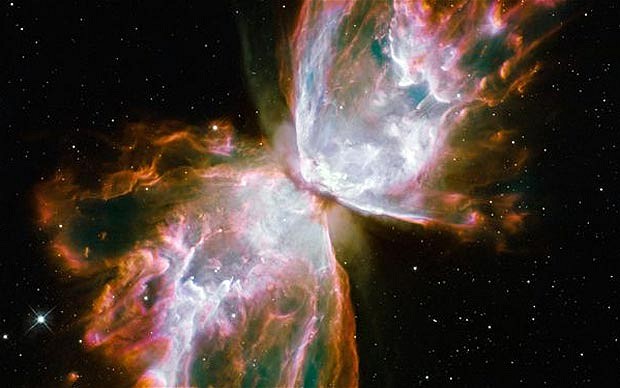
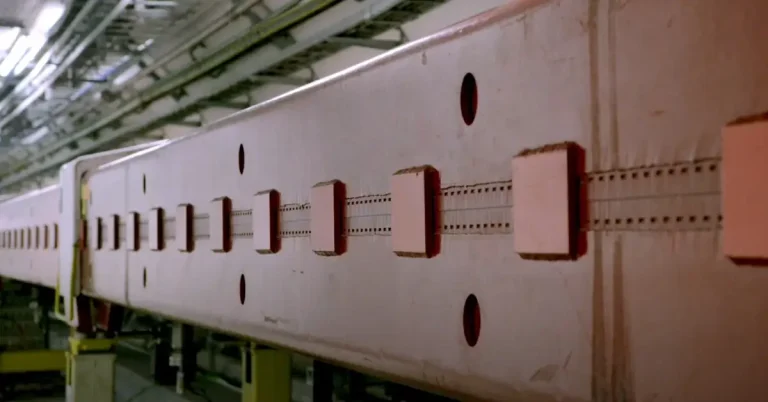
    The NA62 experiment at CERN, backed by researchers from Lancaster University, has observed a rare decay process, happening in less than one in ten billion charged kaons. This discovery, presented at a CERN EP seminar on September 24, 2024, may shed light on new physics, taking us closer to breakthroughs in particle interactions beyond the Standard Model.
  • The Kilogram doesn’t weigh a kilogram any more

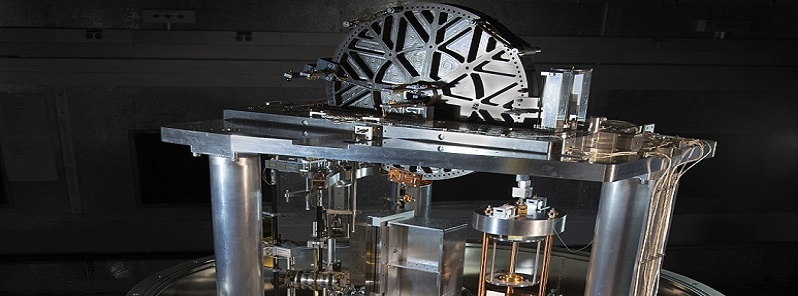
    The Kilogram doesn’t weigh a kilogram anymore. This sad news was announced during a seminar at CERN on Thursday, October 26 by Professor Klaus von Klitzing, who was awarded the 1985 Nobel Prize in Physics for the discovery of the quantized Hall effect….

  • CERN’s LHCb experiment announces observation of a new particle

    At the EPS Conference on High Energy Physics held this week in Venice, the LHCb experiment at CERN’s Large Hadron Collider has reported the observation of Ξcc++ (Xicc++) a new particle containing two charm quarks and one up quark. The existence of this…

  • Exotic particles as the Sun aligns with the center of the Milky Way

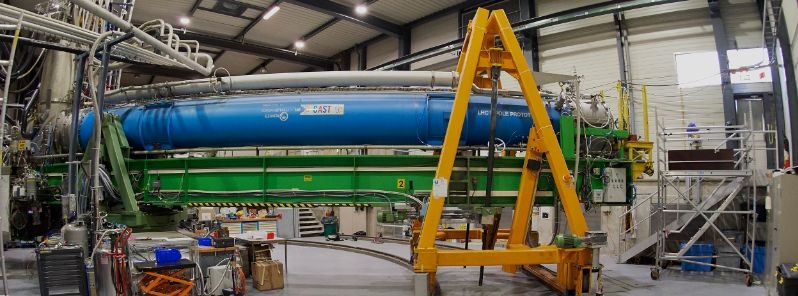
    As the Sun made an annual alignment with the black hole at the center of the Milky Way galaxy on December 18, 2016, the scientists at CERN carried out the first of a kind experiment to measure hypothetical exotic particles possibly emitted by the black hole. The…

  • Neutrinos are faster than light according to new tests

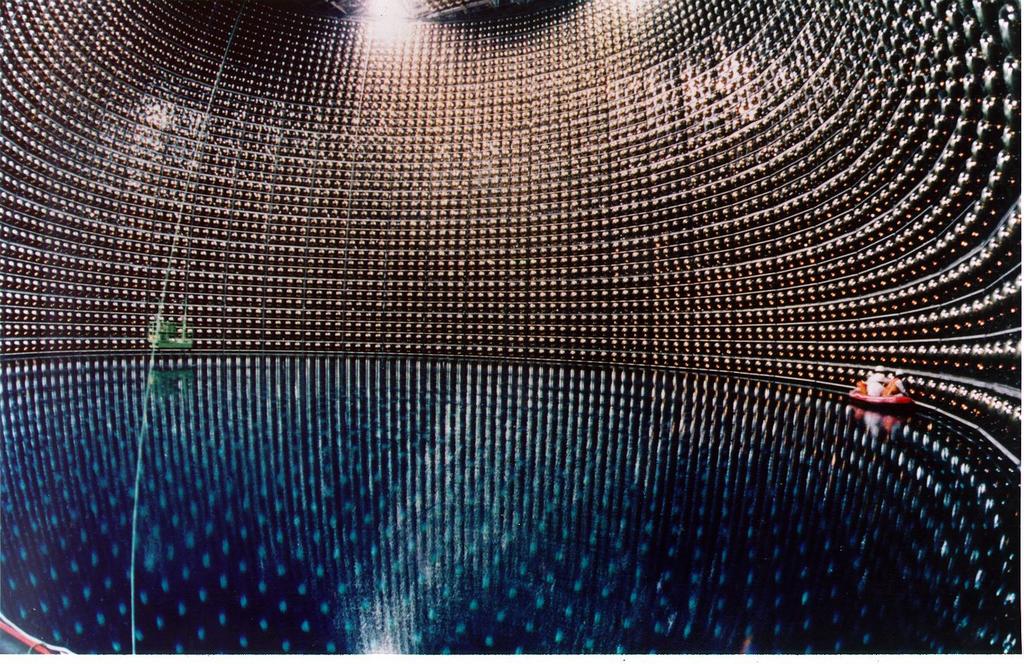
    OPERA collaboration shocked the world in September with the announcement that the ghostly subatomic particles called neutrinos had arrived at the Gran Sasso mine in Italy about 60 nanoseconds faster than light speed from the CERN particle accelerator near Geneva,

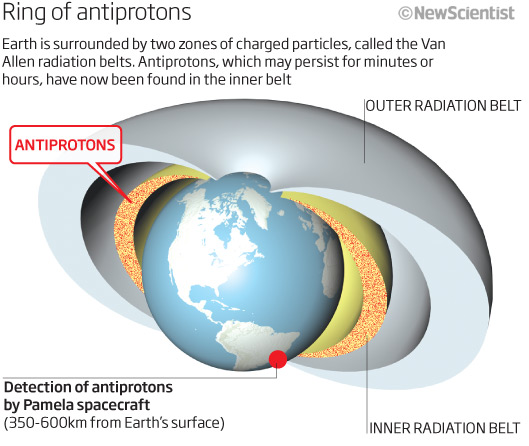
  • Antiproton ring found around Earth

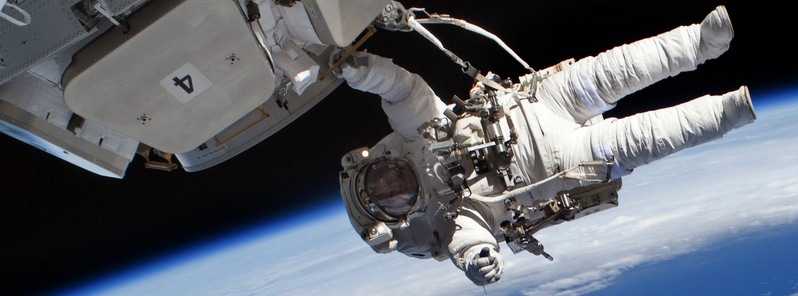
    Antiprotons appear to ring the Earth, confined by the planet's magnetic field lines. The antimatter, which may persist for minutes or hours before annihilating with normal matter, could in theory be used to fuel ultra-efficient rockets of the future.Charged particle