• Bright daylight fireball over northern Germany

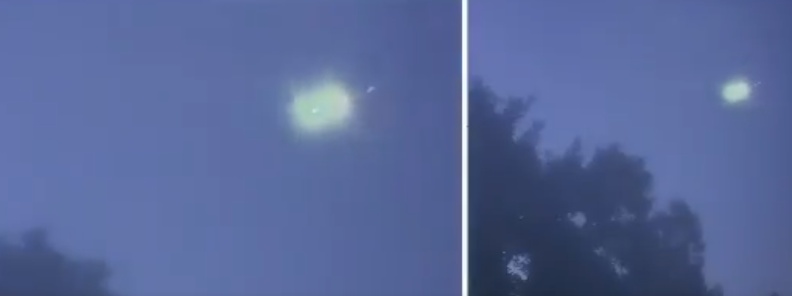
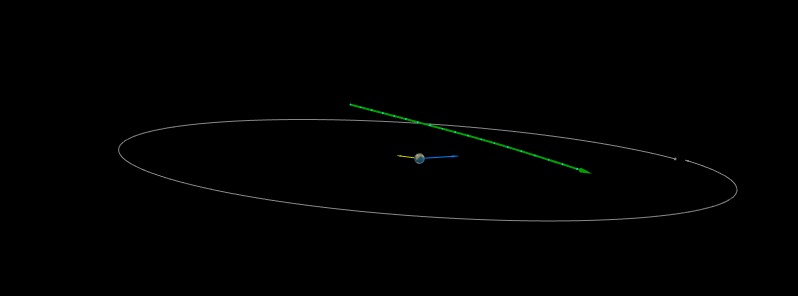
    A bright daylight fireball flew over Poland and northern Germany around 17:32 UTC on September 27, 2019. This is the second daylight meteor event over northern Germany this month. The American Meteor Society (AMS) received over 150 eyewitness reports, mostly from…

  • NASA developing new asteroid-hunting space telescope

    NASA announced on Monday, September 23, 2019, their plans to develop and launch an asteroid-hunting space telescope as early as 2024. The project called Near-Earth Object (NEO) Surveillance Mission lets scientists determine potential hazards to Earth by detecting…

  • Asteroid 2019 SP3 to flyby Earth at 0.97 LD on October 3

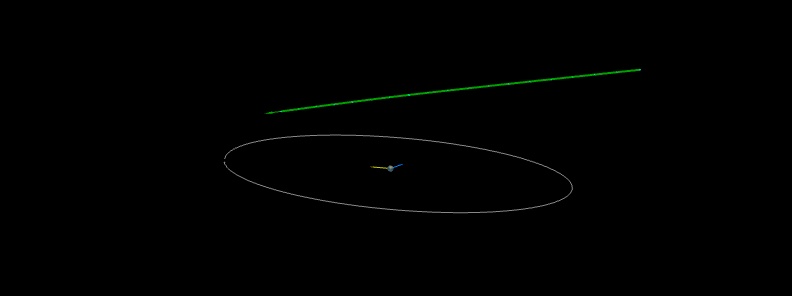
    Asteroid 2019 SP3 is expected to flyby Earth at 0.97 LD / 0.00248 AU (371 002 km / 230 530 miles) on October 3, 2019. With 2019 SP3, the total number of known 1 LD asteroid flybys in 2019 rose to 48. The object belongs to the Apollo group of asteroids and has an…

  • Asteroid 2019 SS3 flew past Earth at 0.73 LD

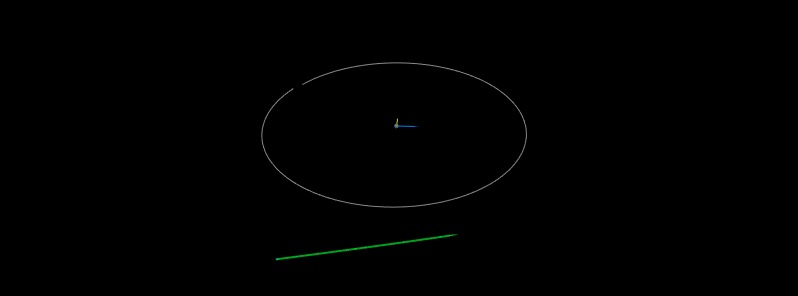
    A newly discovered asteroid designated 2019 SS3 flew past Earth at 0.73 LD / 0.00188 AU (281 243 km / 174 756 miles) on September 22, 2019. This is the 47th known asteroid to flyby Earth within 1 lunar distance since the start of the year. The object was first…

  • Bright fireball explodes over Tasmania and Victoria, Australia

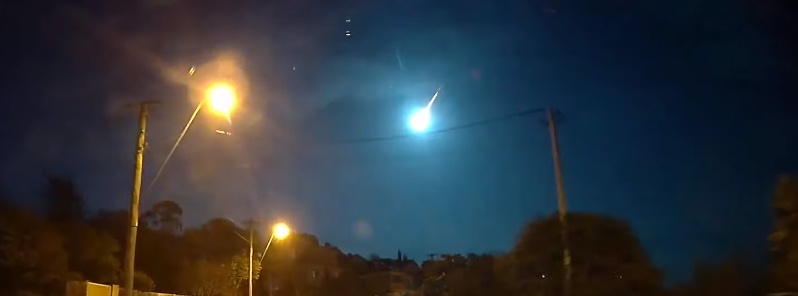
    A bright fireball was recorded streaking through the night sky between Tasmania and Victoria, Australia around 10:31 UTC (20:41 AEST) on September 20, 2019. The event was followed by what some residents described as 'massive big bang.' "We are certainly…

  • Asteroid 2019 SJ flew past Earth at 0.64 LD

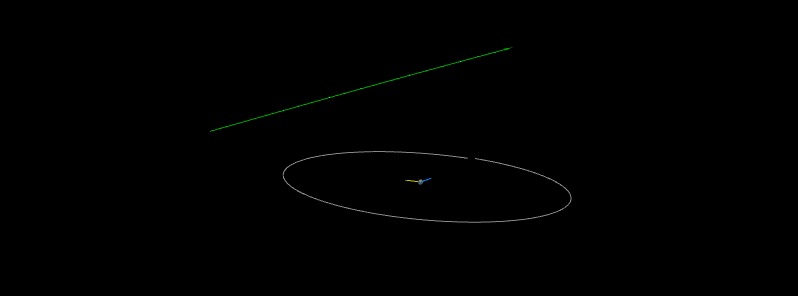
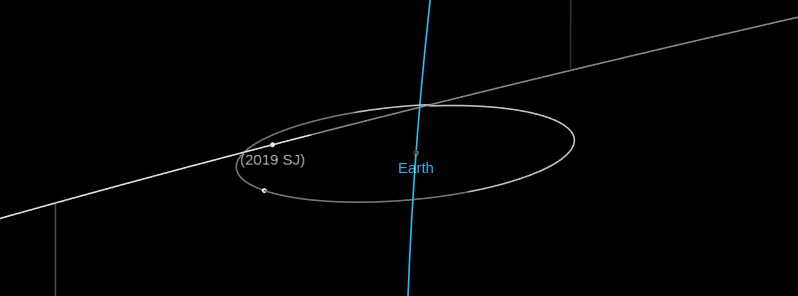
    A newly discovered asteroid designated 2019 SJ flew past Earth at 0.64 LD / 0.00163 AU (243 844 km / 151 517 miles) on September 16, 2019. This is the 43rd known asteroid to flyby Earth within 1 lunar distance since the start of the year and 4th this month. 2019 SJ…

  • Asteroid 2019 QR8 flew past Earth at 0.80 LD

    A newly discovered asteroid designated 2019 QR8 flew past Earth at 0.80 LD / 0.00207 AU (309 667 km / 192 418 miles). This is the 42nd known asteroid to flyby Earth within 1 lunar distance since the start of the year. The object was first observed at Pan-STARRS-1,…

  • Comet 2019 Q4 (Borisov) likely an interstellar visitor

    NASA believes that the mysterious comet named C/2019 Q4, which exited the astronomical community this week, is from outside the solar system. The object was discovered by Gennady Borisov, a Crimean astronomer at the MARGO observatory, Nauchnij, on August 30, 2019….