• Will Comet ISON slam into Earth?

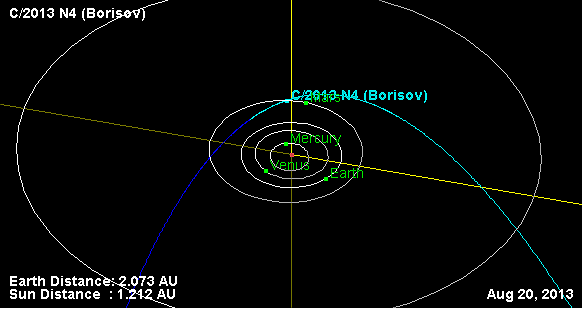
    Fear not! Comet ISON will not slam into Earth. Comet C/2012 S1 (ISON) will make its closest approach to Earth on December 26, 2013 at a safe distance of 63 million km from Earth. Watch the video bellow by VideosFromSpace explaining some comet basics and some
  • Multiple views of solar activity – illustration

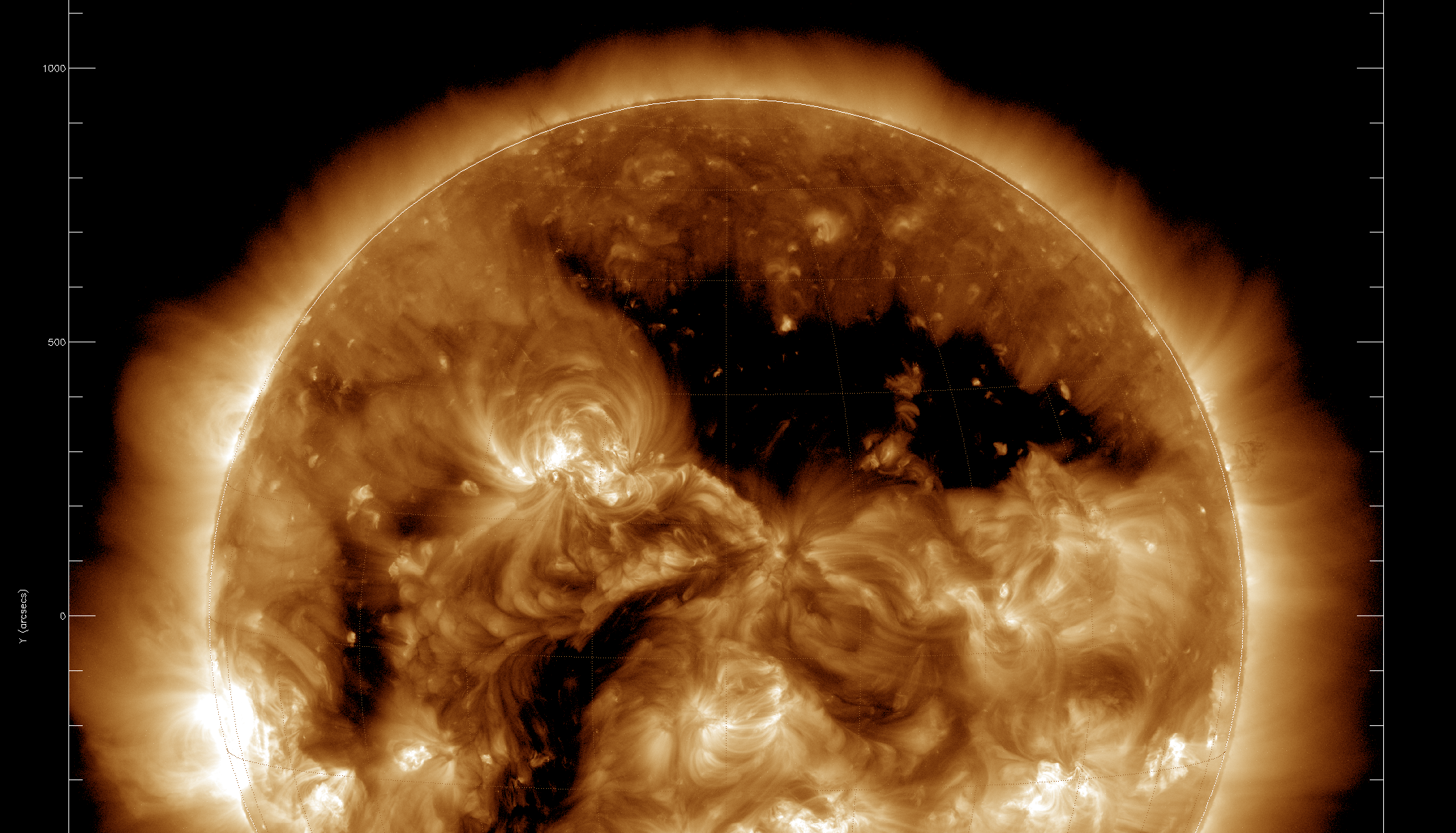
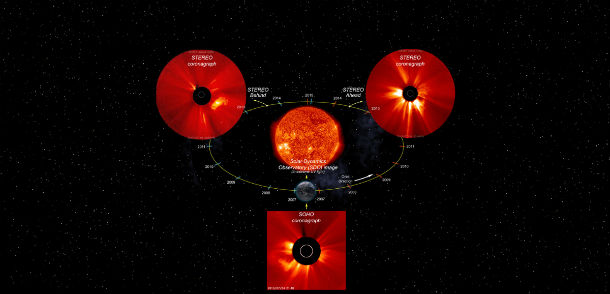
    SOHO's latest "Picture of the week" edition released great graphic illustration of combination of Sun-observing spacecrafts coverage of solar events.

    From their positions near the Sun-Earth line, SDO and SOHO observed small CME on July 4, 2013. At

  • Hubble releases new stunning image of comet ISON

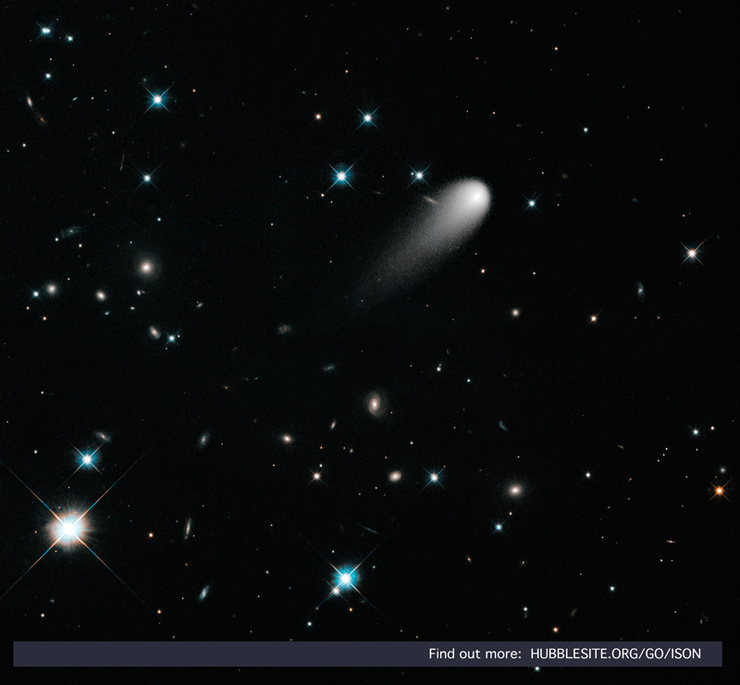
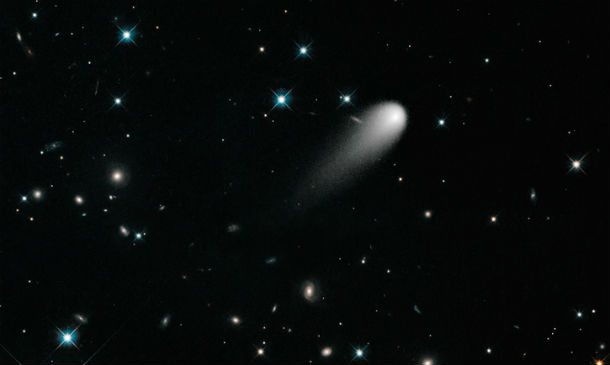
    Enhanced image of comet C/2012 S1 ISON obtained by Hubble Space Telescope on April 30, 2013 have been released yesterday, showing the comet zooming through deep space in all its glory.

    Hubble Space Telescope views Comet ISON, April 30, 2013 (Credit:

  • Delta Aquarid meteor shower peaks late July 2013

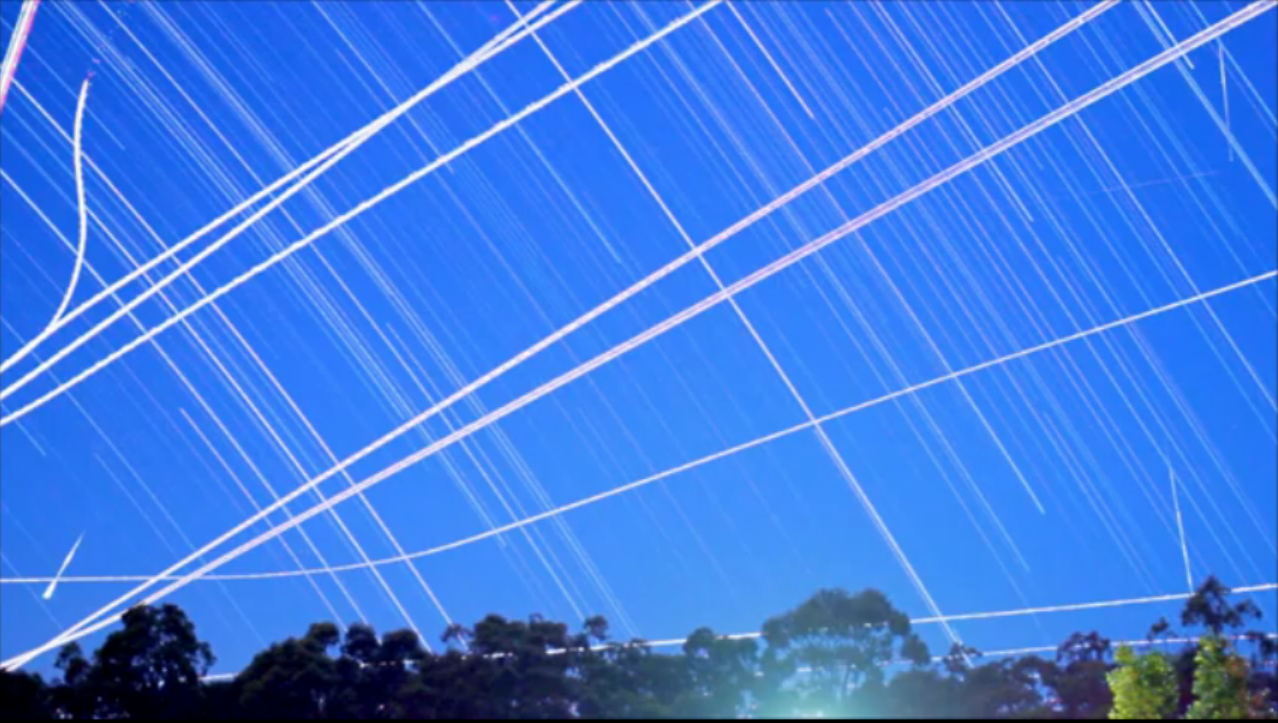
    The Delta Aquarid meteor shower begins annually roughly from July 12 and is active up to August 23. The shower can be seen all over the planet, however it is best observed from the Southern Hemisphere and southern latitudes of the Northern Hemisphere.

    The

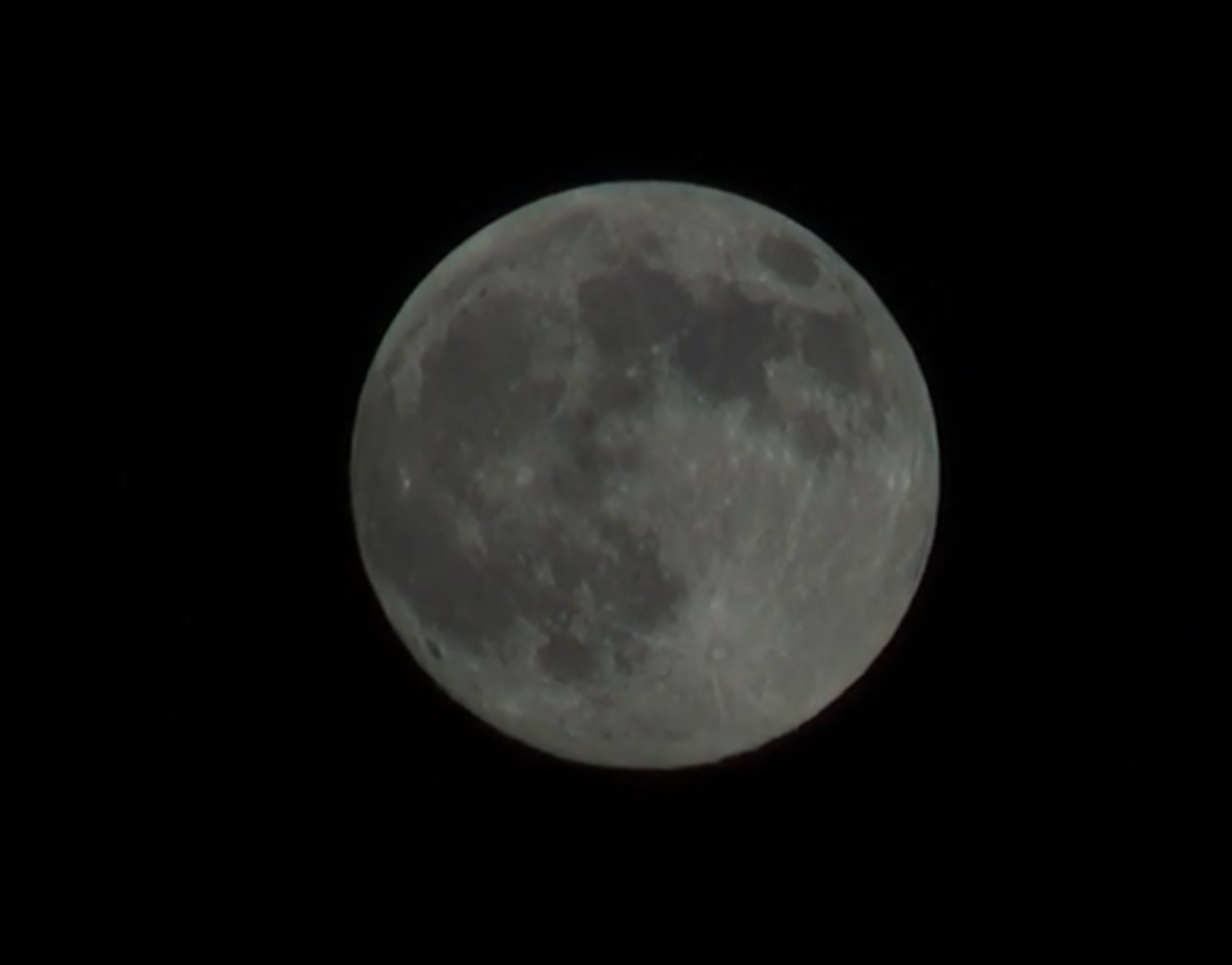
  • New supermoon, third of this year, falls on July 22, 2013

    It has not been long since the spectacular supermoon on June 23, 2013. At that time the moon was at it`s closest to Earth for the year, appeared as the largest full moon for 2013, and it was also about 30 percent brighter than an average full moon.

    But for everyone

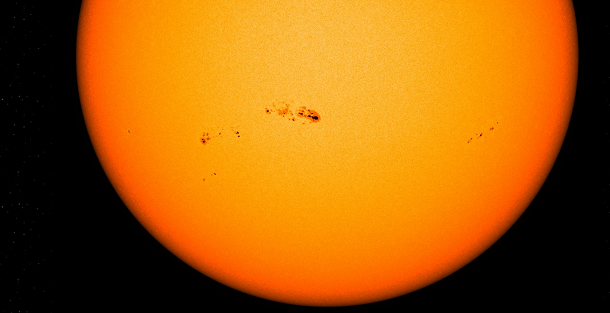
  • Traveling sunspot group AR 1785 (July 3 – 11, 2013)

    NASA's Solar Dynamics Observatory (SDO) released video of Active Region 1785 – one of the largest sunspot groups this year, traveling across the Earth facing solar disk in period from July 3 – July 11, 2013. AR 1785 is now out of Earth view, moving onto

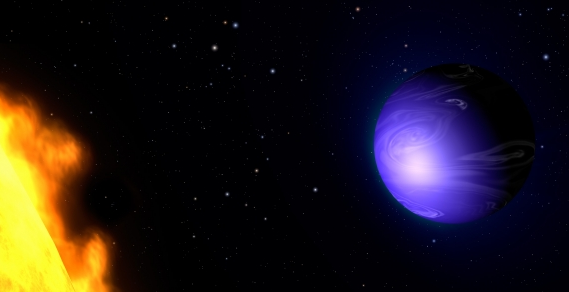
  • Where it rains glass – Hubble finds a bizarre blue exoplanet

    Astronomers at NASA's Hubble Space Telescope have, for the first time, identified a true color of planed out of our Solar System. The planet is 63 light-years away and is boringly named HD 189733b but it is rather interesting, bizarre and exotic. It is also