• First lightning detector in a geostationary orbit

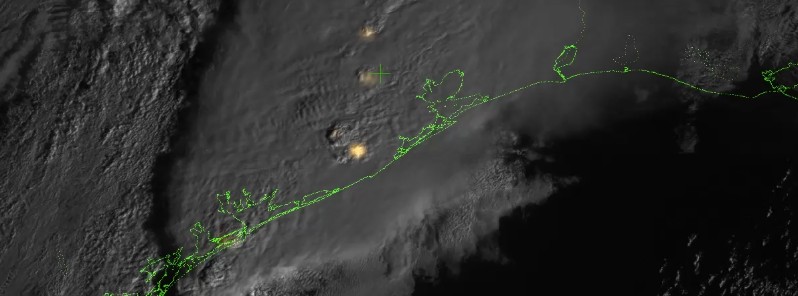
    The first lightning detector in a geostationary orbit, the Geostationary Lightning Mapper (GLM), aboard GOES-16, is now transmitting data never before available to forecasters. The mapper continually looks for lightning flashes in the Western Hemisphere, so…

  • Asteroid 2017 DS109 to flyby Earth at 0.90 LD

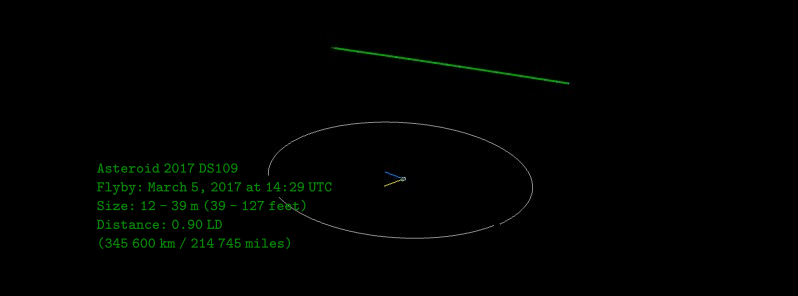
    Asteroid 2017 DS109 will flyby Earth at a distance of 0.90 LD (345 600 km / 214 745 miles) from the surface of our planet at 14:29 UTC on March 5, 2017. This asteroid belongs to the Apollo group of asteroids. It was first observed by Pan-STARRS 1, Haleakala on…

  • First imagery from next-generation FY-4A geostationary satellite

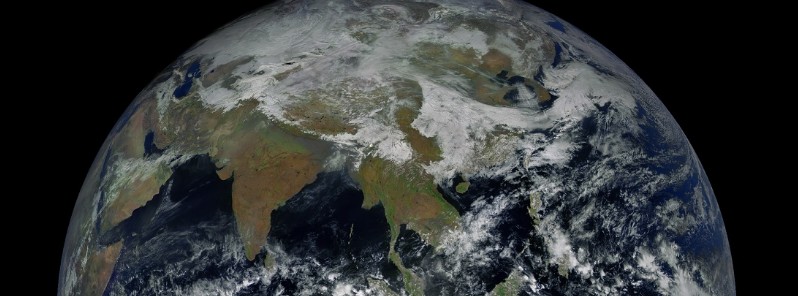
    China has released the first imagery from Fengyun-4A, the first of their second generation of Geostationary Meteorological Satellites. The satellite will support forecasts and warnings, numerical weather prediction, wildfire and space weather monitoring and more. It…

  • Bright sungrazing comet taking a plunge into the Sun

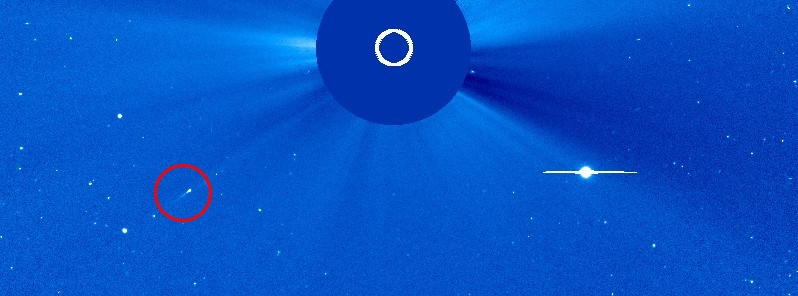
    A new, bright sungrazing comet appeared in SOHO LASCO C3 imagery around 17:40 UTC on March 2, 2017 and his death dive is still visible today, available to be tracked almost in real-time. The comet will hopefully appear in LASCO C2 imagery before it vaporizes. …

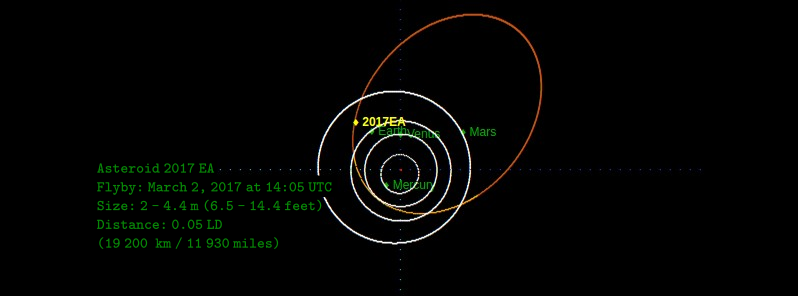
  • Asteroid 2017 EA flew past Earth at 0.05 LD

    A newly discovered asteroid named 2017 EA flew past Earth at an extremely close distance of 0.05 LD (19 200 km / 11 930 miles) from the surface of our planet at 14:05 UTC on March 2, 2017. This is the 7th known asteroid to flyby Earth within 1 lunar distance since…

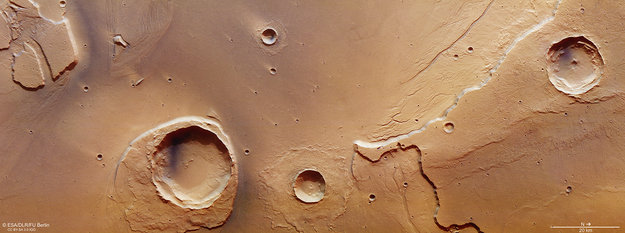
  • Mars Express finds remnants of mega-flood on Mars

    Mars Express has captured images of one of the largest outflow channel networks on the Red Planet, providing evidence of ancient mega-flood on Mars, ESA announced today. The Kasei Valles channel system extends around 3 000 km (1 864 miles) from its source region in…

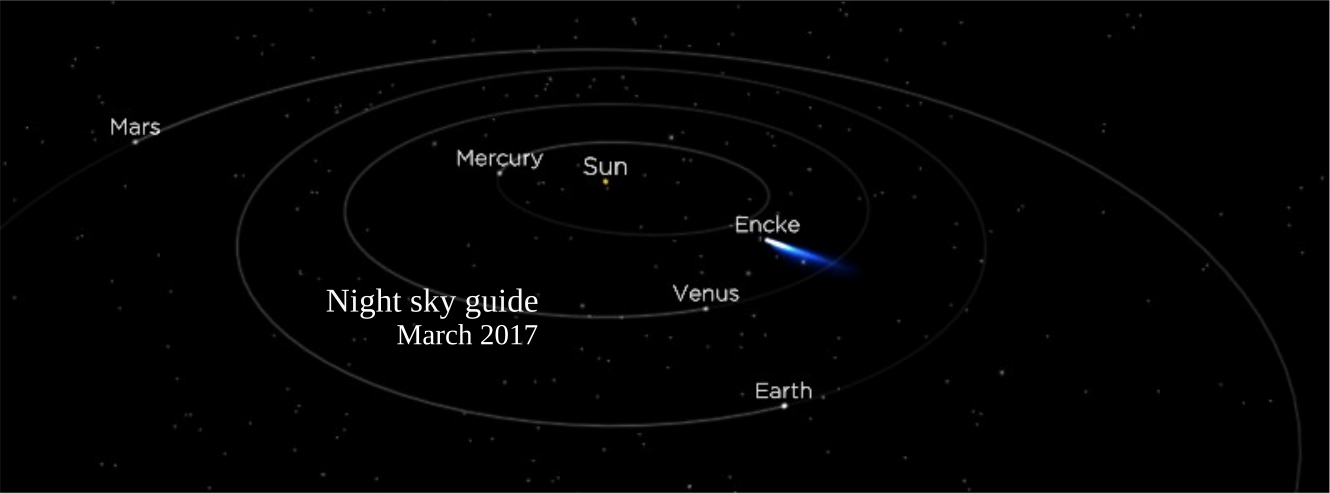
  • Night sky guide for March 2017

    The Sun will shine directly on the equator and there will be nearly equal amounts of day and night throughout the world – March equinox – on March 20. This is the first day of spring (vernal equinox) in the northern hemisphere and the first day of fall (autumnal…

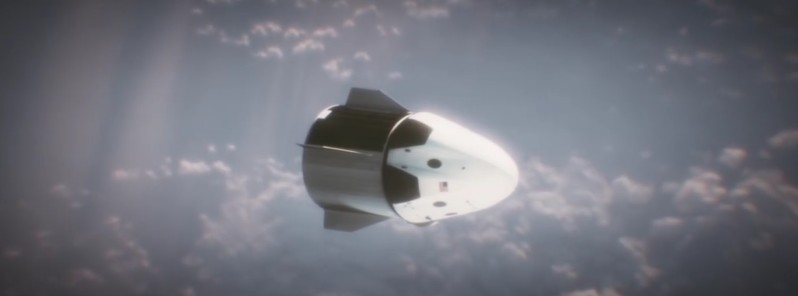
  • SpaceX to fly two private citizens on a trip around the Moon

    SpaceX will fly two private citizens on a trip around the Moon in the second quarter of 2018 using the Crew Dragon spacecraft, the company announced. The privately held company has been approached to fly two private citizens on a trip around the Moon late next year…

  • Dust devils on Mars

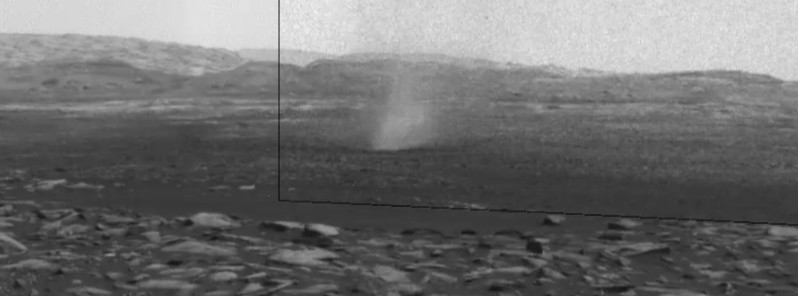
    NASA's Curiosity Mars rover has begun a second campaign of investigating active sand dunes on the northwestern flank of Mount Sharp, inside the 160 km (100 miles) wide Gale Crater. The rover also has been observing whirlwinds carrying dust and checking how far…

  • GOES-16 delivers its first images of the Sun

    NASA's new geostationary satellite GOES-16 (previously known as GOES-R) has successfully captured first images using its Solar Ultraviolet Imager or SUVI instrument. SUVI replaces GOES Solar X-ray Imager (SXI) instrument in previous GOES satellites and…