• Comet Garradd approaching the sun and brightening

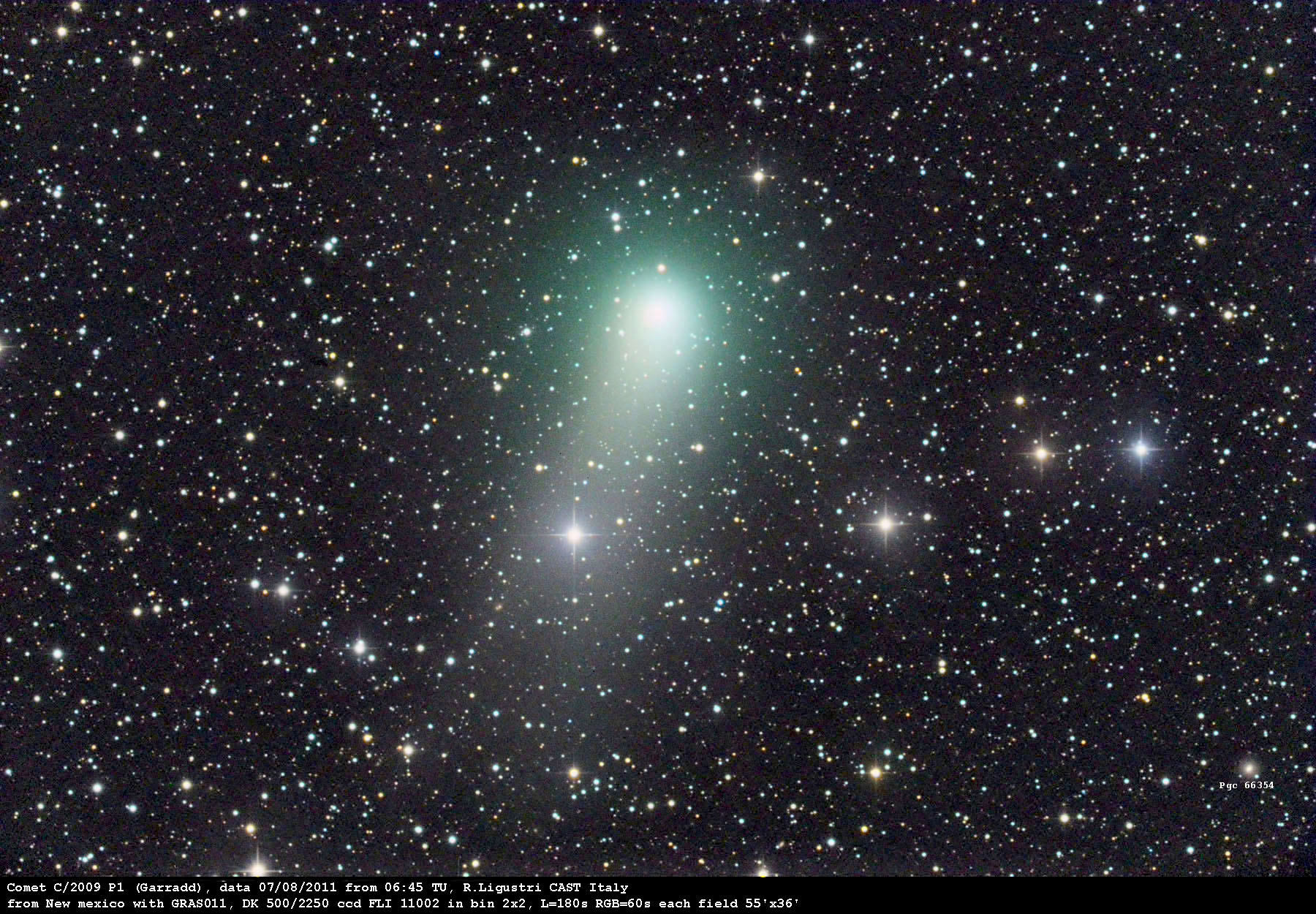
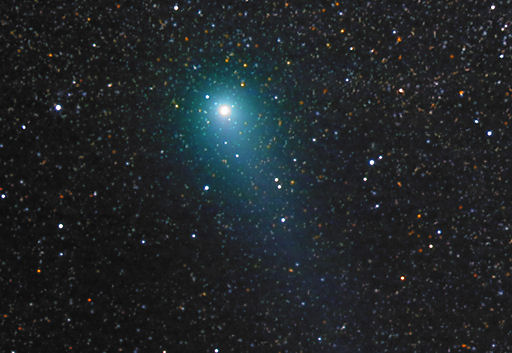
    As September begins, green Comet Garradd is gliding across the star fields of the Milky Way in the early evening sky. The icy visitor from the outer solar system is not yet visible to the naked eye, but it looks great through amateur telescopes.Astrophotographer

  • Proposed missions that could deflect asteroids and space rocks

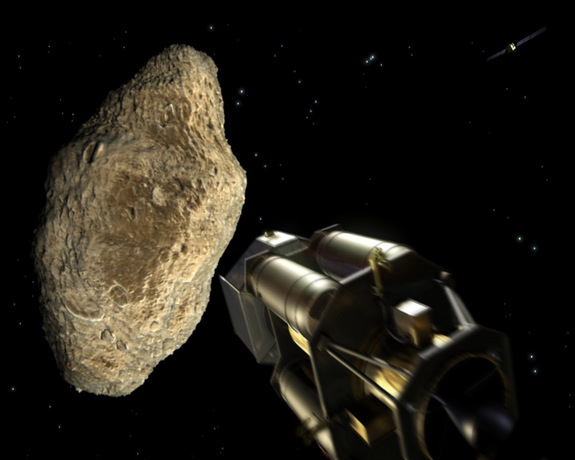
    While scientists keep a close watch on the myriad space rocks near Earth, they don’t yet have a solid plan on what to do if one appears headed on a collision course toward our planet.Two new studies propose potential spacecraft missions that would collide with

  • NASA tests communication scenarios for Near-Earth Asteroids

    NASA’s Desert Research and Technology Studies (RATS) team has commenced testing communication scenarios for near-Earth asteroids. The RATS team also evaluates technology, human-robotic systems and extravehicular equipment in the high desert near Flagstaff,…

  • Comet Elenin self-destructs?

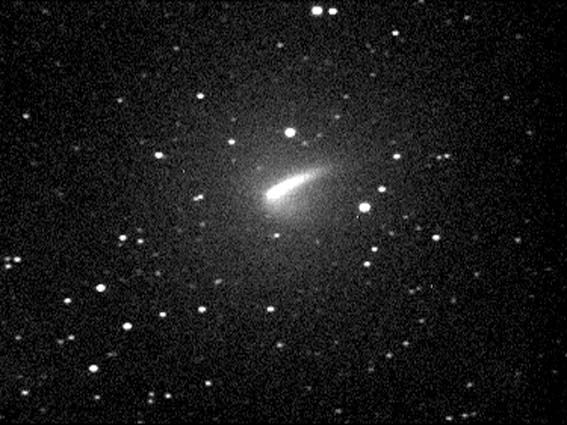
    Whenever astronomers discover a comet headed inbound toward a close encounter the Sun, there's always buzz among observers about how bright it might get. That was certainly the case last December, when Comet Elenin (C/2010 X1) made its debut. Many hoped

  • A bright meteor lit up the night sky above Atlanta

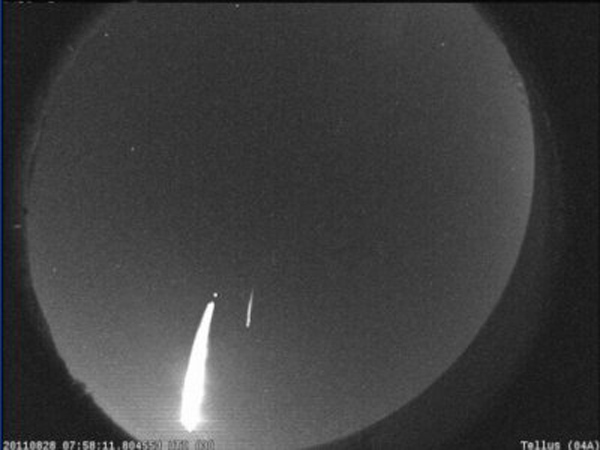
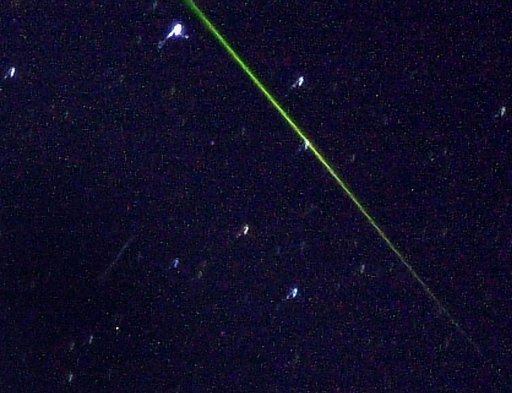
    A bright meteor lit up the night sky above Atlanta on Sunday, August 28, 2011, in a dazzling display caught by NASA cameras. The meteor streaked over Atlanta, Ga., and its surrounding cities at the mind-blowing speed of about 52,800 mph (84,970 kph). NASA's…

  • Space junk cleanup poses grand challenge for 21st century

    Scientist warn about threat to spacecraft and the enviroment that posses space debris orbiting the Earth. According to J.-C. Liou of the Orbital Debris Program Office at NASA’s Johnson Space Center, the space junk trend no longer can be reversed by full compliance with

  • Comet Garradd seen in the night sky

     The comet, with the nomenclature C/2009 P1, is now coming into small telescope/binocular view so here’s your chance to see the brightest comet in the current night sky. You can find it in the late evening sky in the constellation Pegasus. Viewing it now,

  • 45P/Honda–Mrkos–Pajdušáková

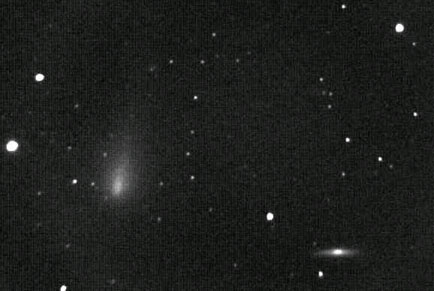
    The comet Honda-Mrkos-Pajdusakova is expected to brighten rapidly in August as it passes to the south of the Earth. It will be observable from the southern hemisphere for about 2 weeks before getting too close to the Sun.At its closest the comet will be 0.060 AU from

  • Perseid meteor shower on August 12th and 13th

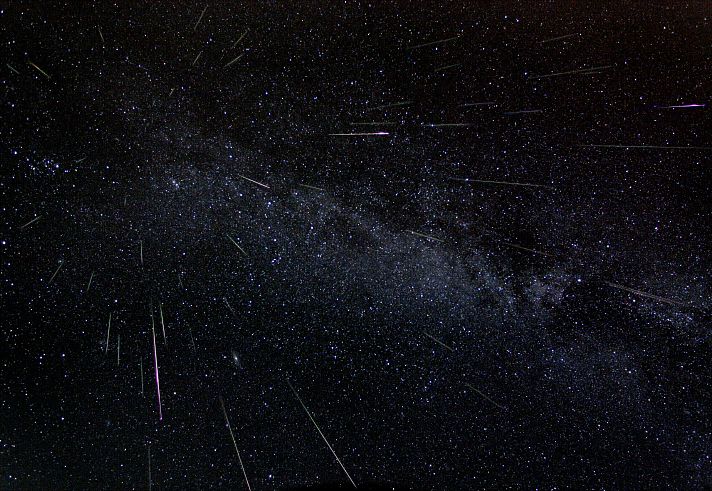
    Earth is entering a stream of debris from Comet Swift-Tuttle, source of the annual Perseid meteor shower. International observers are now reporting more than a dozen Perseids per hour, a number that will increase as the shower reaches its peak on August 12-13. Full