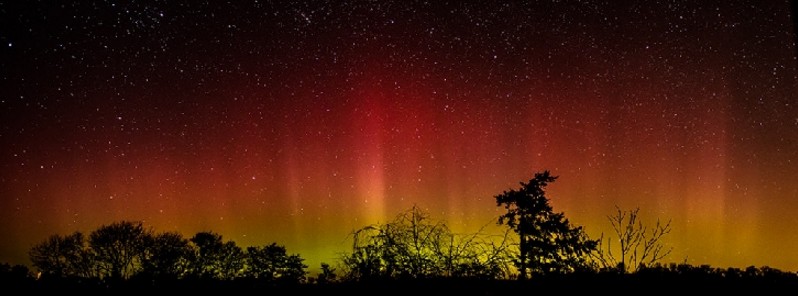
• G2 – Moderate geomagnetic storm in progress

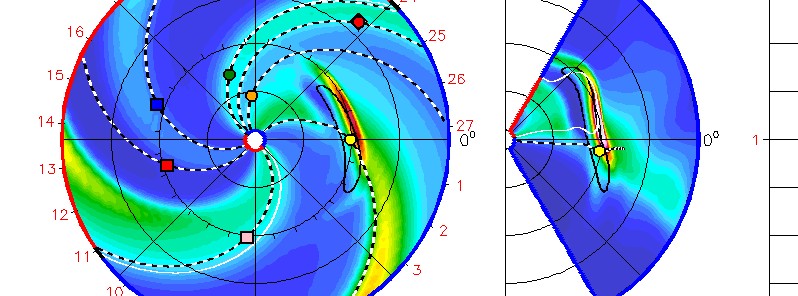
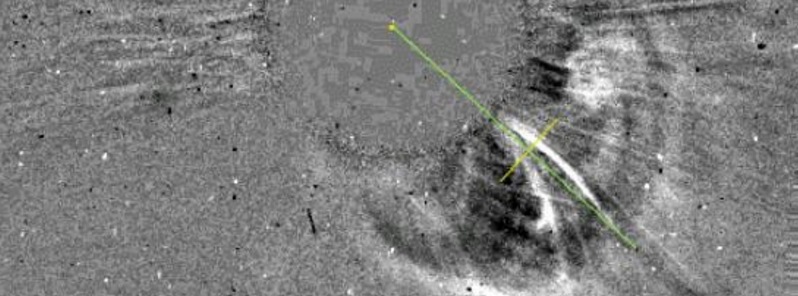
    After strong G3 geomagnetic storm on March 6 and 7, solar wind parameters increased again around 04:00 UTC on March 11. The cause is most likely a Coronal Mass Ejection (CME) from March 6. Interplanetary magnetic field (IMF) total field (Bt) valuese steadly…
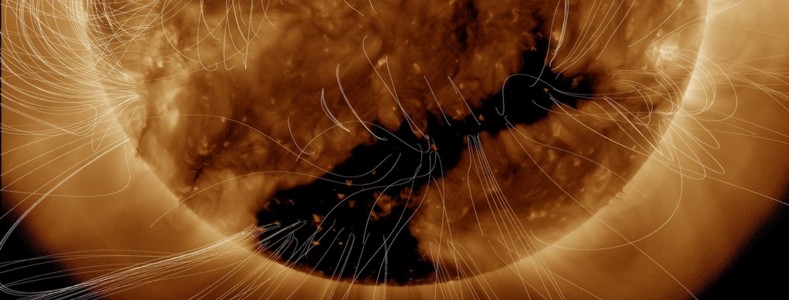
  • Negative polarity CH HSS causes geomagnetic storming on Earth

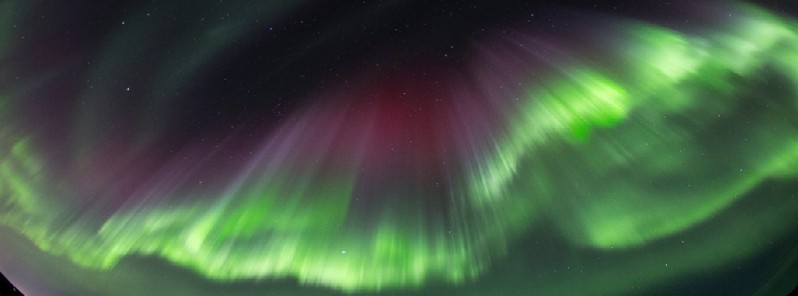
    A negative polarity, coronal hole high speed stream (CH HSS) became geoeffective early March 6, 2016, causing an increase in solar wind speeds and an enhanced interplanetary magnetic field. A G1 – Minor geomagnetic storm began at 17:28 UTC, increased to G2 -…

  • Coronal hole causes G1 – Minor geomagnetic storm

    A geomagnetic storm reaching G1 – Minor levels is currently in progress due to the arrival of the co-rotating interaction region (CIR) associated with coronal hole 55. The proton flux might reach S1 – Minor levels in the period between February 16 and 18 due to the…

  • Region 2497 produces M1.0 solar flare

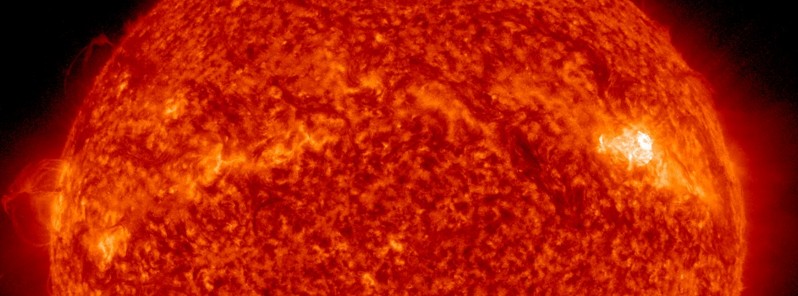
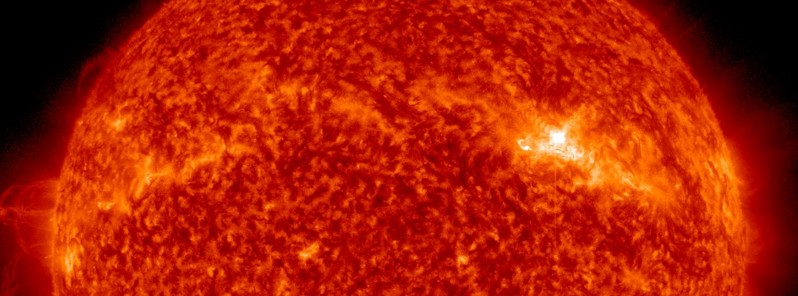
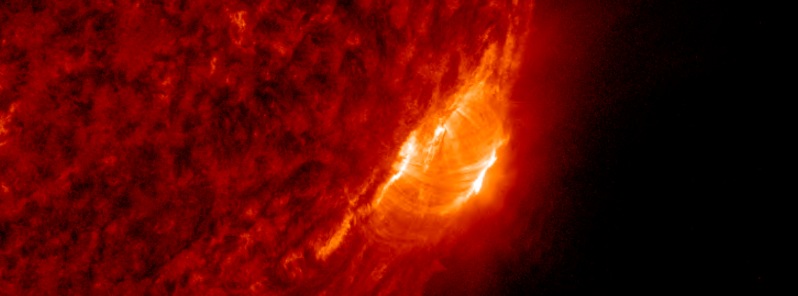
    'Beta-Gamma-Delta' classified Active Region 2497 produced an M1.0 solar flare at 19:26 UTC on February 14, 2016. The event started at 19:18 and ended at 19:29 UTC. After M1.0 at 10:47 UTC on February 12 and M1.8 at 15:24 UTC on February 13, this is the third…

  • Moderately strong M1.8 solar flare erupts from Region 2497

    A moderately strong solar flare measuring M1.8 at its peak time erupted from 'Beta-Gamma-Delta' classified Region 2497 at 15:24 UTC on February 13, 2016. The event started at 15:16 and ended at 15:24 UTC. There were no radio signatures that would suggest a…

  • Cosmic ray intensification trend continues

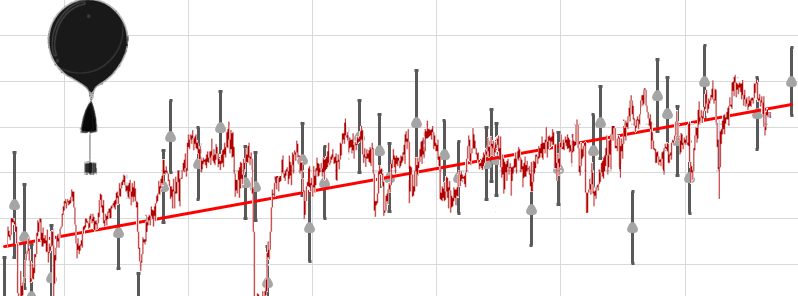
    An intensification trend of cosmic rays activity reported last month by SpaceWeather.com continues. The latest balloon flight over California on February 5 observed the highest value yet. The gathered data shows that cosmic rays in the mid-latitude stratosphere are…

  • Cosmic radiation intensifying as we enter another Solar Minimum

    An increased activity of cosmic rays has been observed around the Arctic Circle by the neutron monitors during the last year. The same trend was also noted in an independent measurement project carried out by the Spaceweather.com and the students of Earth to Sky…

  • Prolonged CME effects spark G1 Minor geomagnetic storm

    Prolonged effects of a partial-halo CME impact, produced by the filament eruption just of center disk late on January 14, 2016, is causing a G1 Minor geomagnetic storm on January 20, 2016. The CME reached our planet just before 21:00 UTC on January 18. Geomagnetic…